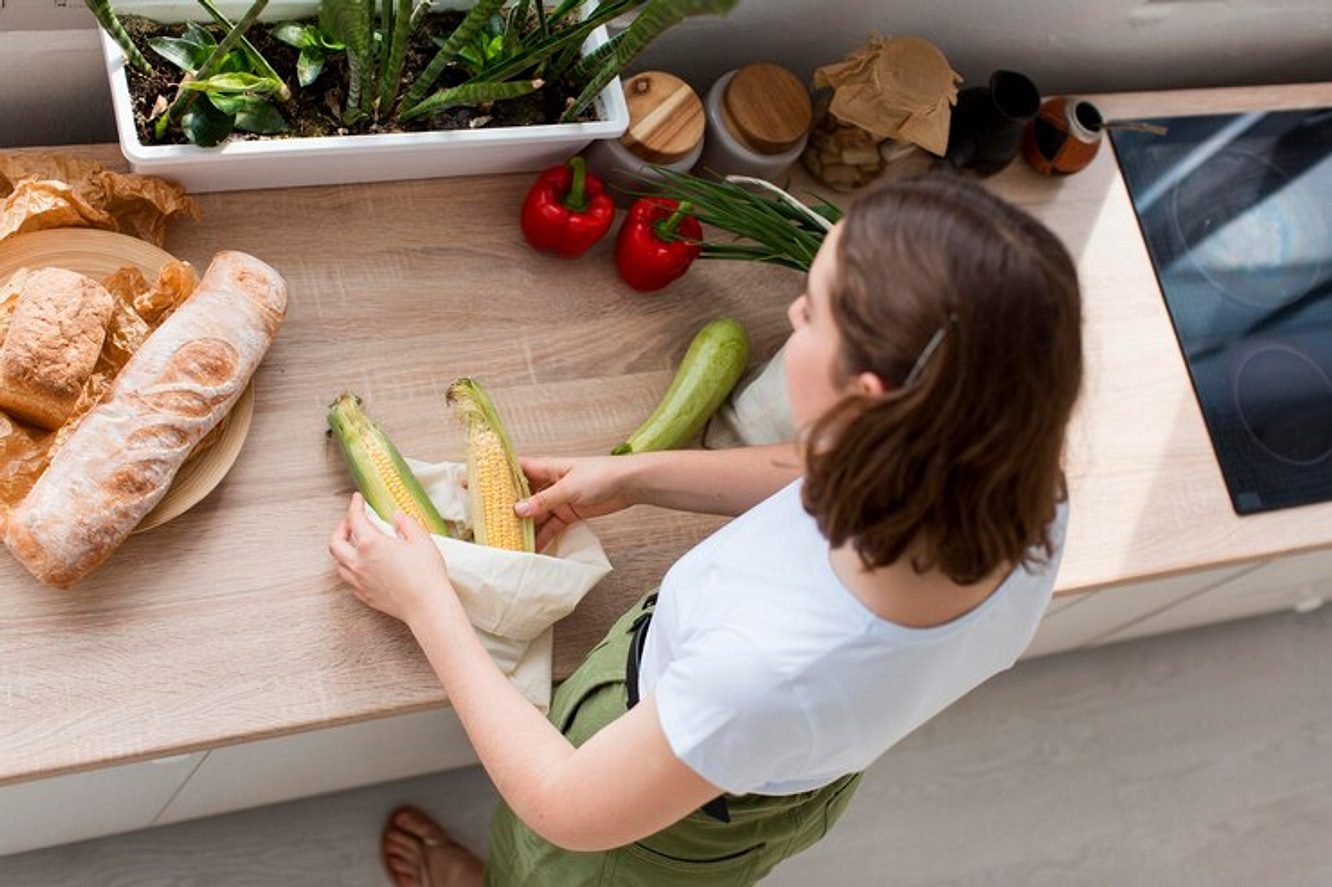
Zero waste kitchens can seem like lavish or expensive things. After all, shouldn’t all those containers and ingredients set you back quite a lot? While some savings come from buying in bulk, the biggest changes happen when you use less, purchase smart and waste nothing. Small adjustments can cut down on trash, stretch your groceries further, and set you up for a kitchen you love.
Take Inventory of What You Already Have
The easiest (and least expensive) kitchen to eliminate waste from is the one you already own. Before you go out and purchase anything new, take stock of what you can reuse. Jars, containers, cloths, utensils and storage methods you already have can almost always be used in more efficient ways.
This allows you to avoid doubling up on items while identifying easy swaps you can make right now. That pasta sauce jar? It can be repurposed to store dry beans. That old T shirt? Cut it up to make cleaning rags or produce bags.
Working with what you own before you buy anything will save you money and prevent unnecessary purchases. That mindset is key to creating a low waste kitchen on a budget.
Where Should You Start Swapping Items?
You don’t need to throw everything out and start from scratch. Instead, take inventory of the things you buy that create the most trash. Paper towels, plastic wrap, disposable cleaning sponges and bottled cleaners are some of the quickest things to swap out for more sustainable alternatives.
Only swap one or two things at a time. Trying to replace everything in your kitchen at once is expensive and frustrating. If your current setup works, take small steps. You’ll save more money in the long run.
- Replace paper towels with cloth towels or cut up old towels.
- Save glass jars for pantry storage instead of buying specialty containers.
- Trade bottled cleaners for bar soap or concentrated refill pouches.
- Reuse takeout containers to store leftovers.
- Swap disposable sponges for something you can wash and reuse.
Each little swap should fix a problem you’ll actually have. When buying something with purpose, make sure it will last long enough to justify the purchase.
Buy Groceries With Intention
Food waste is expensive. Planning your meals around what you currently have and only buying what you know you will use is one of the easiest ways to save money and lower your waste. Avoid buying duplicate ingredients by writing a shopping list before you go to the store.
Here are some strategies and tips to help you buy groceries with intention and minimize waste:
| Strategy | Purpose | Example Items | Savings Benefit |
| Meal Planning | Avoid food waste | Leftovers, Weekly menus | Reduced overbuying |
| Buy in Bulk | Lower packaging waste | Rice, Beans, Pasta | Cheaper per serving |
| Focus on Staples | Store longer, cost-effective | Potatoes, Onions, Lentils | Minimized spoilage |
| Make a List | Prevent duplicate purchases | Weekly grocery checklist | Avoid impulse buys |
By incorporating these approaches, you can make smarter grocery choices while sticking to your budget.
Meal planning also makes it easier to buy non-perishable ingredients in bulk. If the prices are right you can save money buying larger quantities without worrying about spoilage.
Focus on foods that are affordable and store well. Rice, oats, lentils, potatoes, cabbage, carrots, onions, and in-season produce will often hold you over without costing too much or creating packaging waste.
Is Bulk Shopping Always Cheaper?
Bulk shopping should be approached as a method, not a mindless habit. The goal of bulk shopping isn’t buying more food. It’s reducing the amount of packaging you toss and investing in foods with the lowest cost per serving.
Know your rates of consumption before you buy in bulk. Purchasing larger quantities of foods you don’t eat often will still lead to waste. Before buying that five pound bag of flour, know if you’ll use it before it goes bad or attracts pests.
- Only buy amounts of dry goods that will work with the size of your household.
- Take your own bags or jars if the store allows you to fill them yourself.
- Split large bulk items with neighbors or members of your family.
- Shop with a list and focus on shelf stable items first.
- Keep track of what you bought in bulk so you use it before buying more.
Done correctly, bulk shopping can save you money and reduce your trash. Remember that bulk doesn’t mean buy everything you see. It means purchasing larger quantities of the things you would normally buy individually.
Prepare Low Waste Meals
Cooking at home allows you to control waste better than picking up food outside of your house can. Restaurant meals and packaged snacks tend to cost more than simple meals you prepare from scratch. Simple meals made with basic pantry staples cost even less.
Cooking in batches can also help you save money. Making a large pot of soup, stew, roasted veggies, or pasta sauce can get you several meals out of one shopping trip. Recipes that can be customized based on what you need to use help ensure you won’t have as much waste.
Stretch your food further by finding new uses for old ingredients. Stale bread can be turned into croutons or breadcrumbs. Vegetable scraps can season homemade broth. Not only will these tips help reduce waste, they’ll help cooking feel intuitive and creative.
Optimize Your Storage Solutions
Food that is improperly stored costs you money. Vegetables wilt because they dry out too fast, leftovers are forgotten about in unmarked containers. Investing a little time into your storage habits will save you money on groceries in the long run.
Start with clear storage containers. Having visibility into what your fridge and pantry holds lets you use what you have before buying more. Labelling leftovers with the date they were stored will prevent trash due to accidental waste.
- Store herbs in water or wrapped loosely in a clean cloth.
- Freeze bread slices you won’t be able to eat in time.
- Keep greens in your storage container with a dry towel to absorb extra moisture.
- Store older foods toward the front and newer food at the back.
- Use glass containers for storing leftover meals and prepped ingredients.
These are cheap tricks that prevent food waste. Over time, the food you save will be worth more than buying products to help you organize.
Clean Your Kitchen Cheaply
If you find yourself spending a lot on cleaning supplies you might be able to cut back. There are lots of expensive sprays on the market for every type of mess you can imagine. In reality, your home probably doesn’t need that many solutions.
Most people can get by with fewer cleaning supplies than they think. Vinegar can clean some surfaces just as easily as store bought sprays. Baking soda is great for scrubbing. Cloth towels can replace half a dozen packets of disposable wipes.
Another way to save money? Buy refillable bottles and only purchase as much cleaning solution as you need. If you don’t want to make your own, look for concentrated formulas that have less packaging and will last longer.
Don’t Overwhelm Yourself With Too Many Changes
Your ideal zero waste kitchen won’t look like anyone else’s. As you learn what you can do with what you have and find areas that need improvement, you’ll discover what swaps will work best for you. Tackling everything at once can lead to impulse purchases that are expensive and don’t always help.
Think about where your household creates the most waste and tackle those areas first. If your food tends to go bad before you eat it focus on storage. If your trash can is full of disposables, work on finding alternatives to those products.
Effective swaps won’t break your budget. Quick fixes might help you declutter, but costly replacements won’t become habits. Aim for changes that make your life easier.