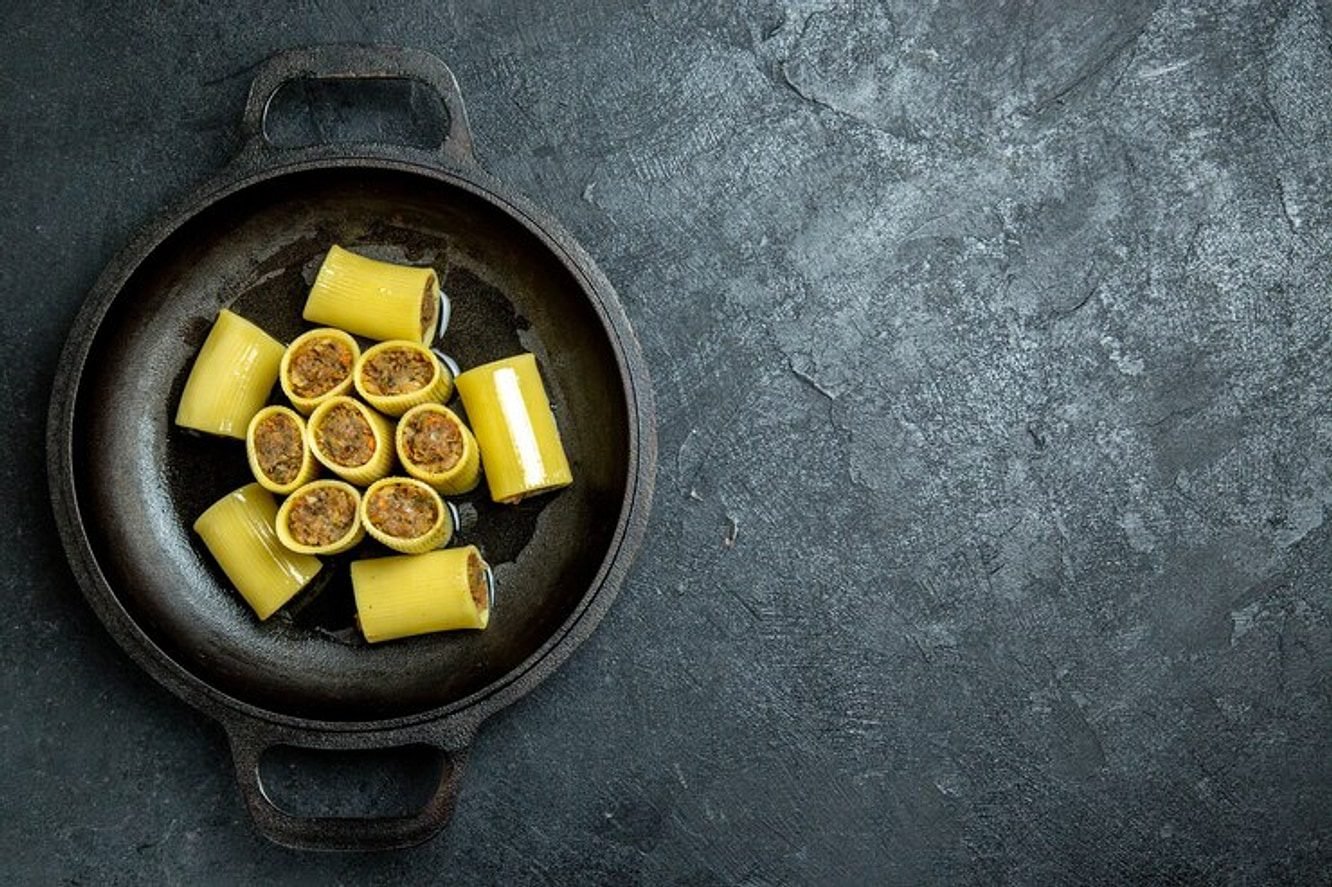
Are u curious how to cLean cast iron skiLLet? Here is the answer.
Cast iron is built to last. With just a little maintenance, your cast iron cookware can provide decades of dependable cooking and naturally better results year after year. If you’ve ever panicked about rust or sticky residue on your skillet or feared ruining your pan after its first wash, read on to learn how to confidently clean and season cast iron cookware.
Cast Iron Isn’t Magic
Though built solidly, cast iron cookware can degrade over time if exposed to too much moisture, harsh scrubbing, and poorly wash and dried after use. It can also be damaged by sloppy storage and should be treated gingerly if you enjoy antique cast iron with tons of seasoning built up over decades.
Thankfully, your cast iron pans don’t need magical treatment. Simple routines and everyday care will keep your pan cooking like new. Seasoned cast iron gets better with age — instead of trying to preserve an immaculate surface, use it routinely to build up good habits that extend the life of your pan.
Understanding how cast iron cookware works is the first step. Once you know what to avoid, you can prevent damage and keep your pan in tip-top cooking condition.
How to cLean Cast Iron skiLLet? Cleaning Your Cast Iron After Cooking
Ideally, you’ll begin washing your cast iron pan while it’s still warm. Hot enough to burn your skin? Allow it to cool. Warm enough to help loosen remaining food? Wash it.
- Rinse your pan with warm water while it’s still hot out of the cooker.
- Use a nonmetal brush, scrub sponge, or chainmail scrubber to remove any stubborn pieces.
- Do not soak your pan. Standing water is a breeding ground for rust.
- Do not use dish soap. If your pan needs it, you’ve likely gone too far. Use dish soap only for stubborn grease or smells.
- Dry your pan thoroughly with a towel immediately after washing.
- Return the pan to the burner for a few minutes to wipe out any lingering moisture.
You should never expect your pan to look brand-new after every meal. Expect to clean it after use and dry it properly. Then, store it until your next meal.
How to cLean Cast Iron skiLLet? Washing Don’ts
Harsh scrubbing and leaving wet cookware to air dry are a couple of obvious no-nos. But there are less-than-self-explanatory cast iron washing don’ts too. Avoid letting food sit in the pan overnight, especially if you cooked with high acid foods or sweet sauces. These foods can damage the seasoning and make it more difficult to clean later.
Attack the stuck-on food with heat and water instead of forcing it away. You may also want to avoid the dishwasher. Heat, harsh chemicals, and prolonged water contact can damage seasoning and promote rust.
Is It Time to Re-season?
Seasoning protects cast iron and improves its cooking performance. As long as your pan is relatively free of stick, rust, and dreaded rust spots, you can likely get by with light cleaning and occasional oiling.
- Your food starts to stick while cooking.
- Your pan’s finish looks dull or patchy/grainy instead of dark and smooth.
- You spot rust anywhere on your pan.
- Water splashes on the pan’s surface and sits rather than beading up.
- You feel excess grease when cooking on the pan.
- You’ve stripped the pan, either by using soap frequently or soaking it.
If your pan isn’t cooking like you know it can, it’s time to re-season. To learn how, keep reading.
How to cLean Cast Iron skiLLet? Seasoning Done Right
Applying oil to a hot pan may seem to seal in that freshness, but seasoning cast iron protects it by actually baking on a thin layer of oil. It may sound like a contradiction, but seasoning your pan after cleaning helps maintain its nonstick cooking surface and protects it from rust.
First, make sure your pan is clean and completely dry. Next, rub a small amount of neutral cooking oil onto the pan using a paper towel. Once coated, wipe off excess oil until you can barely see you rubbed oil on the pan. Now, bake.
Set your oven to the highest temperature and place your pan upside down inside. (Putting aluminum foil on the bottom rack will help catch any excess oil that burns off.) Bake for at least an hour to allow the oil to break down and season the pan. Let the pan cool completely before using again.
Seasoning Tips
While choosing the best oil is up to you, how you apply it makes all the difference. A neutral oil with a higher smoking point isn’t likely to overwhelm food flavors and should spread easily across the pan. Choose your favorite and follow these seasoning tips:
- Canola oil is affordable and easily accessible for weekly maintenance.
- Vegetable oil works well and causes little fuss.
- For a lighter finish, try grapeseed oil.
- Flaxseed oil has been shown to create one of the hardest finishes.
- Use paper towels to spread oil and remove the excess.
- Don’t forget oven mitts to protect your hands.
Seasoning takes practice. Use these tools and tips to start improving your cast iron care today.
Rust and Sticky Comebacks
You can kiss rust spots goodbye. Small spots are easily treated by scraping away the rust with steel wool and reapplying seasoning. Larger rust patches may require more intense scrubbing. Once the rust is gone, wash, dry, and re-season your pan as normal.
Sticky buildup usually occurs from applying too much oil. You know how to season your pan properly now. If you need to get rid of excess sticky buildup, strip your pan and start from scratch.
Preventative Maintenance
Taking care of cast iron can be as simple as adjusting your daily habits and sticking to them. After cooking with cast iron, you should wash, dry, and store your pan properly to prevent having larger cleanups later. When you use your pans regularly and take care of them after each use, you’ll build up better seasoning and nonstick qualities.
Let your pan air dry on a drying rack if you have one. If you must stack your pans for storage, place a paper towel in between. Paper towels help absorb moisture and prevent pans from scratching each other.
Cook with your cast iron often. Cast iron is built to last through years of abuse. Maintaining its seasoning comes naturally the more you cook. Eventually, taking care of your cast iron cookware will become second nature.
Is Your Pan Cook Ready?
Before using your cast iron cookware, make sure that it looks dry to the touch. Water spots are okay; rust and excessive dull spots are not.
Running your pan across your stovetop on low will bake out any lingering moisture before it starts cooking your dinner. If water danced around in your pan after washing, run it on the stovetop for 5 minutes before your next meal.
Building Long-term Confidence
You shouldn’t be scared to use cast iron. After following these steps, you should feel confident cooking with and maintaining your cast iron pans. As you continue to use your pans for every meal, you’ll discover tricks that work for you and your family. Just remember, when in doubt, rinse with water while warm, scrub lightly, and dry immediately.
Don’t forget to browse our Cast Iron cookware for your next purchase and spend less time worrying about maintenance and more time cooking what you love.