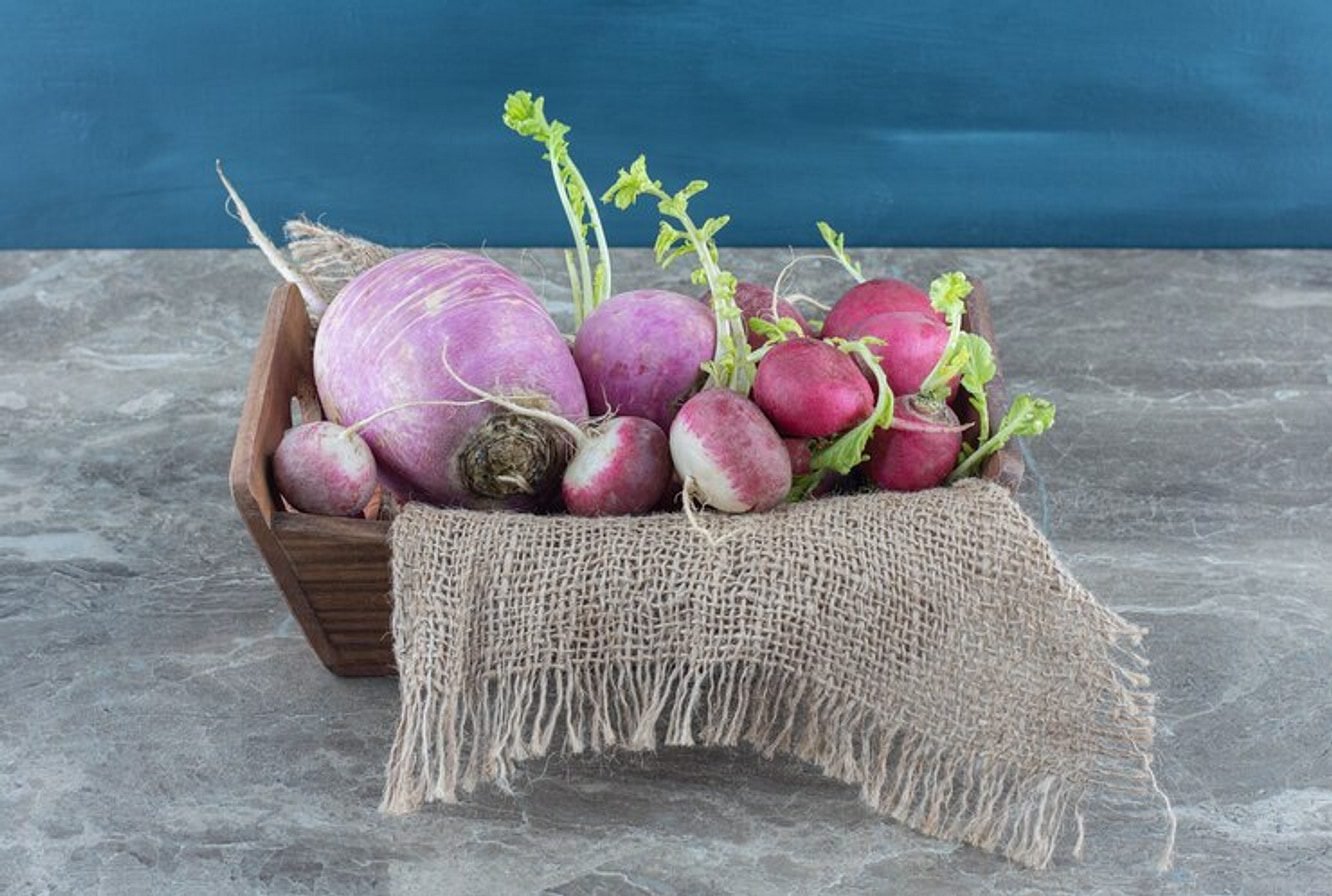
Carrots, beets, parsnips, and other root vegetables are useful ingredients to keep on hand. They can become a tray of roasted vegetables, a simple soup, or a side dish without much preparation.
However, they do not all belong in the same storage space. Carrots and beets generally benefit from cold, humid conditions, while whole raw sweet potatoes need a different approach.
Learning how to store root vegetables starts with identifying what you have, checking its condition, and choosing a suitable place for it. This guide focuses on everyday home storage, with a separate explanation of longer-term root-cellar methods.
Start With Vegetables in Good Condition
Storage cannot reverse damage or decay that has already begun.
When buying vegetables, choose firm roots without leaking areas, extensive damage, or visible rot. If you are harvesting your own, handle them gently to avoid cuts and bruises.
Sort the vegetables before putting them away:
- Set aside sound vegetables for storage.
- Plan to use vegetables with minor, non-rotting damage sooner.
- Discard rotten produce.
- Keep leafy tops separate where appropriate.
Avoid packing everything together without checking it. One deteriorating vegetable can affect others stored beside it.
Which Root Vegetables Belong in the Refrigerator?
For an ordinary household quantity, the refrigerator is a practical choice for many common roots.
| Vegetable | Practical storage approach | Preparation note |
|---|---|---|
| Carrots | Refrigerate in packaging that limits drying while allowing some ventilation. | Remove leafy tops if attached. |
| Beets | Refrigerate in suitable produce packaging. | Separate the greens from the roots. |
| Parsnips | Refrigerate and protect against moisture loss. | Avoid damaging the skin. |
| Turnips | Refrigerate in cold, humid conditions. | Remove attached leafy tops. |
| Radishes | Refrigerate and protect against drying. | Store the roots separately from their greens. |
| Whole raw sweet potatoes | Keep in a cool, dark, ventilated place rather than the refrigerator. | Keep dry and avoid washing until preparation. |
Keep the refrigerator at 40°F / 4°C or below, but avoid placing vegetables where they may accidentally freeze.
The University of Minnesota Extension’s vegetable-storage guide explains the importance of matching temperature and humidity to each crop.
Keep Moisture Balanced
For many roots, dry refrigerator air can cause shriveling. Excess surface water and condensation can also create storage problems.
The aim is to reduce moisture loss without leaving vegetables sitting in water.
Perforated produce bags can help provide a more suitable environment for roots such as carrots. Check the packaging occasionally: persistent droplets, pooled water, or deteriorating vegetables are reasons to reassess the setup.
Do not tightly seal wet, freshly washed roots and assume the trapped moisture will keep them fresh. Equally, leaving them completely exposed to dry refrigerator air may cause them to lose their crispness.
Remove Leafy Tops Before Storing the Roots
Carrots, beets, radishes, and turnips are sometimes sold with their greens still attached.
Separate the leafy tops from the roots before storage. For carrots and beets, Iowa State University Extension recommends leaving approximately ½–1 inch of stem when trimming harvested vegetables.
Avoid cutting deeply into the root itself.
If the greens are edible and in good condition, store them separately and plan to use them promptly. Their condition and storage needs differ from those of the roots.
The Iowa State guide to storing winter vegetables provides crop-specific preparation advice.
Should You Wash Root Vegetables Before Storing Them?
The answer depends partly on whether you are dealing with freshly harvested roots, supermarket produce, or vegetables already prepared for cooking.
For whole roots that you are not about to use, avoid adding unnecessary moisture. Gently remove loose soil where appropriate, and follow any instructions on packaged produce.
If you wash vegetables before storing them, dry their surfaces thoroughly. Do not put them away dripping wet.
Before peeling, cutting, cooking, or eating, wash produce under running water. A clean produce brush can help remove dirt from firm vegetables.
The FDA recommends running water rather than soap, detergent, or commercial produce wash. Washing reduces contamination but does not remove every microorganism.
Use clean hands, utensils, and work surfaces, and keep vegetables separate from raw meat juices.
Store Whole Raw Sweet Potatoes Separately
Sweet potatoes should not automatically be placed beside carrots in the refrigerator.
For whole raw sweet potatoes, choose a cool, dark location with ventilation. Around 55–60°F / 13–16°C is commonly recommended for storage. Refrigeration can cause chilling damage and affect their eating quality.
Avoid a cupboard beside the oven, a sunny windowsill, or a damp, tightly closed bag.
If your home does not have a suitably cool space, buy smaller quantities and use them sooner rather than expecting ideal long-term storage.
This advice applies to whole raw sweet potatoes. Once they are cut or cooked, do not continue treating them as a whole pantry vegetable.
Peeled, Cut, and Cooked Vegetables Need a Different Plan
Preparing vegetables changes how you should handle them.
Refrigerate peeled or cut vegetables promptly in clean, suitable containers. Follow the storage instructions for commercially prepared produce, and avoid assigning every cut vegetable the same shelf life.
Cooked vegetables should also be refrigerated promptly. Divide large quantities into smaller, shallow containers so they cool more quickly.
The USDA’s leftovers guidance recommends using most refrigerated cooked leftovers within three to four days. Freeze suitable portions if you will not use them in that period.
A whole raw sweet potato in a cupboard and a cooked sweet potato in a container are different storage situations.
How Long Will Root Vegetables Last?
There is no single reliable answer for every bag of carrots or bunch of beets.
Storage life depends on:
- The vegetable and variety.
- Its condition when purchased or harvested.
- Damage to its skin.
- Whether it is whole, peeled, cut, or cooked.
- Temperature, humidity, and packaging.
- How long it was stored before reaching your kitchen.
Long storage periods quoted in gardening guides often refer to carefully controlled conditions. They should not be treated as a promise that supermarket vegetables will last for months in an ordinary refrigerator.
Check your vegetables regularly and plan meals around the ones that need using first. A date on a container helps you remember when you prepared the food, but it does not replace appropriate storage.
Is a Wrinkled Vegetable the Same as a Rotten One?
Not necessarily. Slight shriveling or reduced crispness can reflect moisture loss and declining quality.
However, slime, leaking decay, extensive mold, or a rotten smell are not problems to solve by cooking the vegetable. Discard produce that is rotten.
Do not taste questionable vegetables to decide whether they are safe. Appearance and smell can reveal some problems, but a normal appearance does not prove that food is free from harmful microorganisms.
When you find a spoiled vegetable, remove it and inspect nearby produce. Clean the affected storage area or container.
Can You Cut Mold Off a Carrot?
There is a limited exception for some firm vegetables.
The USDA’s mold guidance allows a small mold spot on a firm vegetable such as a carrot to be removed by cutting at least 1 inch / 2.5 cm around and below it, without letting the knife touch the mold.
This is not permission to salvage every moldy or soft vegetable. If the vegetable is too small to remove that margin, extensively moldy, slimy, or rotten, discard it.
Do not apply the exception to cooked vegetables, soft produce, or a container of prepared food.
Can You Freeze Root Vegetables?
Yes, but preparation varies by vegetable. Use crop-specific freezing instructions rather than applying one method to everything.
For example, the National Center for Home Food Preservation’s carrot instructions specify washing, peeling, and preparing the carrots before blanching. The recommended blanching time differs between small whole carrots and cut pieces.
After the specified blanching step, cool promptly, drain, package, and freeze according to the instructions.
Label packages with the contents and freezing date. Portioning vegetables for the dishes you normally cook makes them easier to use later.
Freeze vegetables while they are still suitable to eat. Freezing is not a way to rescue rotten produce.
What About a Root Cellar or Basement?
A root cellar can provide conditions suitable for longer storage, but an ordinary basement is not automatically equivalent.
Temperature, humidity, ventilation, cleanliness, and protection from pests all matter. Different crops also need different conditions.
If you want to store a large homegrown harvest, follow a detailed guide for the particular vegetable and monitor the storage space. Do not assume that a box of vegetables covered with sand will keep safely in any cool-looking corner.
For a few bags of supermarket vegetables, a suitable refrigerator setup and a realistic shopping routine are usually easier to manage.
A Simple Weekly Routine
You do not need a complicated system to keep track of your vegetables.
Before shopping, check what you already have. Move older sound vegetables into view, remove anything spoiled, and choose a meal that uses the ingredients needing attention.
I prefer straightforward kitchen habits, especially while I am still building confidence with cooking. A small quantity of vegetables that I know how to store and use is more helpful than a large supply with no plan.
Learning how to store root vegetables is mostly about matching the method to the ingredient and noticing changes early. Start with the vegetables you cook most often, and build your routine from there.
Sources and Food-Safety Note
This guide covers general household storage. Follow product labels and vegetable-specific preservation instructions, particularly for cut produce, freezing, or long-term harvest storage.
- University of Minnesota Extension: Harvesting and Storing Home Garden Vegetables
- Iowa State University Extension: Storing Winter Storage Vegetables
- FDA: Selecting and Serving Produce Safely
- USDA: Molds on Food—Are They Dangerous?
- USDA: Leftovers and Food Safety
- National Center for Home Food Preservation: Freezing Carrots