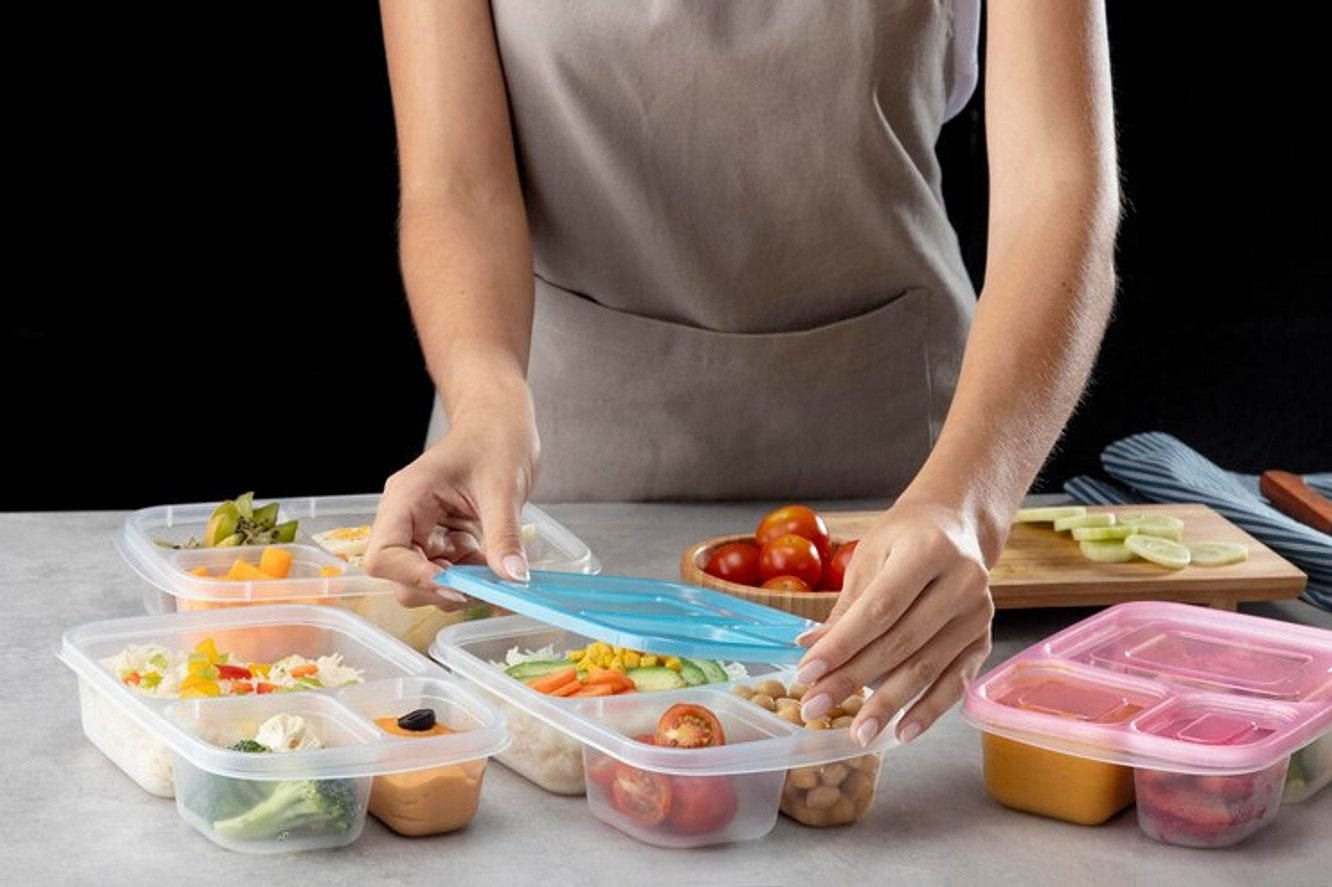
Are curious how to orgainse tupperware? Here is the answer. Throwing together leftovers when lids don’t match and stacks threaten to topple is a nightmare anyone who owns Tupperware understands. Finding a method of organizing containers helps you save time, reduce waste, and transforms one of the most frustrating kitchen cabinets into a system that actually works for you.
Empty Your Cabinets Completely
Emptying everything you own allows you to start fresh and actually assess the situation. Take out every container, lid, and miscellaneous piece of plastic hiding in the depths so you’ll know exactly what you’re working with.
Set your items out on a table or counter top with enough space to work. From here you’ll notice duplicate items you own, lids without a match, cracked containers, and things you no longer use. Identifying these problems now will make organizing much easier down the road.
You’ll also avoid putting clean containers back just to have to take everything out again later. Start this project with good intentions and it will be far less likely to turn into another abandoned kitchen project.
How to Organise Tupperware: Sort Through Items to Keep
Once you have full visibility into every piece you own, sorting through things to keep versus trash will be much simpler. Start with easy categories like throwing away containers that are cracked, stained, warped, or have no matching lid.
- Include containers that you reach for every day to pack lunches or store leftovers.
- Discard lids that have no matching container.
- Recycle plastic containers that are cracked or stained beyond repair.
- Set items like snack bowls or small baking dishes aside. You likely only use these for special recipes.
- Group containers by size to make stacking easier later.
This is the point where your pile will really start to shrink. Editing your collection before trying to neatly place items back in your cabinet forces you to be honest about what you truly need. A small collection is far easier to keep organized than a massive one.
Match All of Your Lids
Lids can quickly become the most frustrating piece of disorganization. They roll around in drawers or get mixed into different brands instead of matching up with their respective container.
Take a few minutes to ensure every lid you keep matches a container. Doing this before you store them means you won’t waste time digging through piles when you’re busy cooking or cleaning.
Pair each lid with its matching container. If you come across a piece that has no match you can decide right then if it should stay as a spare or go.
Test each container set by asking yourself how often you reach for them. If certain containers never stack nicely or the lids don’t seem to seal properly they’re probably more frustrating than helpful. Eliminate the stress by tossing or donating them to make room for things you love.
How to Organise Tupperware: Select a Storage Solution That Will Work
Every kitchen is different, which means your storage solution will vary from other organizers you find online. If you have a deep cabinet with little traffic, vertical file-style storage might work best for you. However, if your containers live in a shallow drawer system, flat stacking might make more sense.
Drawer dividers and bins help keep lids separate from containers. Containers within each category should be stacked neatly together. Clear containers or labeled bins help family members know where everything goes once washed.
The key is finding something that will stay organized. Your perfect system won’t be what you see on Pinterest. It will be what works for your space and makes putting containers away easier than leaving them in a pile on the counter.
What Is the Best Way to Store Tupperware Lids?
Your lids need their own special system. They stack easily, are flatter than containers, and nearly invisible when lost under piles of containers. By storing lids separately, you’ll save yourself time and frustration during meal prep and clean up.
- Standing lids vertically in a magazine file holder or bin divider keeps them visible.
- Group square lids by size together.
- Round lids should be stored in a shallow bin.
- Keep everyday lids near their matching container set.
- Label areas if there’s more than one person using your kitchen.
Once every lid has a designated home, you’ll wonder why you ever stored them with their matching container. You’ll save space, be able to see everything you own at a quick glance, and your whole cabinet will breathe easier.
How to Organise Tupperware: Store Everyday Items Within Reach
Step back and think about how you will actually use your containers every day. Stock containers you grab for lunch packing or daily leftovers within reach so they’re easy to access. Out-of-the-way spots should be reserved for things you use less like bakeware or special shapes.
Not only does this strategy allow you to grab and go when life is busy, it also ensures your most useful containers won’t get buried under piles of good intensions. You’ll be far less likely to dig through cabinets when you can simply grab what you need every time.
Try assigning zones to each shelf. You may have one area for meal prep containers, one shelf for snacks, one for the freezer, and one for lunchboxes on the go. When everyone knows where certain types of containers live, they will be more likely to return them there after washing.
Maintaining Your System
The real test is whether or not you can maintain your nice and tidy cupboard. Clutter will creep back in if your container system doesn’t fit your lifestyle or if you don’t create good habits. No organization method is perfect if you consistently leave dirty containers in the sink or losers find their way back into your cabinet.
Implement These Good Habits:
- Make it a habit to put clean containers away immediately after they dry.
- Return lids to their specified area as soon as you’re done using them.
- Do a quick check every month for broken containers or stray lids.
- Try not to save takeout containers unless you have a reason to.
- Your storage solution should work for you. If your kitchen habits change, make sure you reevaluate.
Taking small seconds to put containers away and return lids will help you avoid having to dig everything out again later. When your whole family knows where everything goes, your organizational system will continue to work for you rather than become cluttered and chaotic.
Declutter When You Clean
Incorporating containers into your routine cleaning makes staying on top of clutter much easier. During your spring cleaning or whenever you tidy up your pantry, glance through containers to determine what should stay.
You’ll be able to easily see what you used versus what’s been hiding in the back of your cabinet for years. It also gives you the chance to reassess your kitchen routine to avoid letting clutter accumulate again.
When you make a conscious effort to purge containers that no longer fit your lifestyle, you’ll be left with only the things you need. Less time digging through containers means more time enjoying how nice your kitchen looks and functions.