Cooking with fresh herbs is one of life’s simple pleasures. It doesn’t take long, though, before those bunches of parsley, cilantro, basil, or whatever else you picked start to wilt and brown. Instead of tossing them, learn how to keep fresh herbs fresh so you’ll stretch your dollar further and reduce kitchen waste.
Why Do Fresh Herbs Go Bad so Quickly?
Fresh herbs are living things that begin to decay as soon as they’re harvested. Most herbs have thin leaves that dry out quickly, but excess moisture promotes wilting and mold as well.
Bruising, heat, and airflow also cause fresh herbs to deteriorate faster. When you purchase fresh herbs from the store or farm stand, they’ve probably already been exposed to a lot of rough handling.
Should You Prep Herbs Before Storage?
The first hour after purchase is critical if you want to extend the life of your fresh herbs. Sorting through your herbs carefully, trimming stalks, and separating will help ensure they last as long as possible.
- Remove rubber bands or twist ties that can trap moisture and cause decay.
- Remove any bruised, brown leaves. They will only get worse and bring the other leaves down with them.
- Cut the ends of the stems off slightly. You don’t need to chop off a lot, just enough to freshen them up.
- Place delicate herbs in separate bags so they don’t get smashed by heavier produce on the way home or in your fridge.
- Decide whether each herb should be stored in water or dry.
Once you have cleaned and prepped your fresh herbs, store them correctly and they’ll be able to last you days, even weeks.
Fresh Storage: Keep Tender Herbs in Water
Most tender herbs will last longest if stored in water. Stems of parsley, cilantro, dill, mint, and others will keep fresh like cut flowers.
Place stems upright in a jar of water and cover the leaves loosely with a plastic bag. Try to allow for some airflow while keeping most of the excess moisture contained.
Every few days, swap out the water in your herb container and trim the ends of the stalks if they begin to look dried out. This will help them to stay hydrated but also breathe.
Store Basil for Maximum Freshness
Basil is tricky. For some reason, it confuses many people. Most herbs are happy stored in the fridge, but basil will turn black and die if you do that.
Instead, keep basil stems in a jar of water on your countertop. You can pretty much think of basil as another kind of herb flower.
- Basil can continue to grow if you keep it in water on your counter. Only fill the jar with enough water to cover the stems.
- Store basil at room temperature, away from direct sunlight and ripening fruit.
- Change your basil water every couple of days to prevent bacteria from clouding it.
- Remove any leaves that turn black and appear to die.
- Do not store fresh basil in an airtight container unless you have already chopped it and plan to freeze it.
Use these tips for storing basil and it should stay fresh for over two weeks. If you want your basil to last even longer, consider freezing it in chopped portions.
Keep Hardy Herbs Fresh by Storing Dry
Hardy herbs include rosemary, thyme, oregano, sage, and chives. These can all be wrapped in a slightly damp paper towel and placed in a bag or container.
A small amount of moisture is necessary to keep herbs from drying out, but you don’t want to trap too much humidity in with your herbs or they will become moldy.
When stored in their refrigerator crisper drawer like this, most hardy herbs will stay fresh for quite some time. They will lose some of their potent punch as they begin to dry out, but the essential flavors will remain intact.
Freezing Herbs Temporarily Extends Their Shelf Life
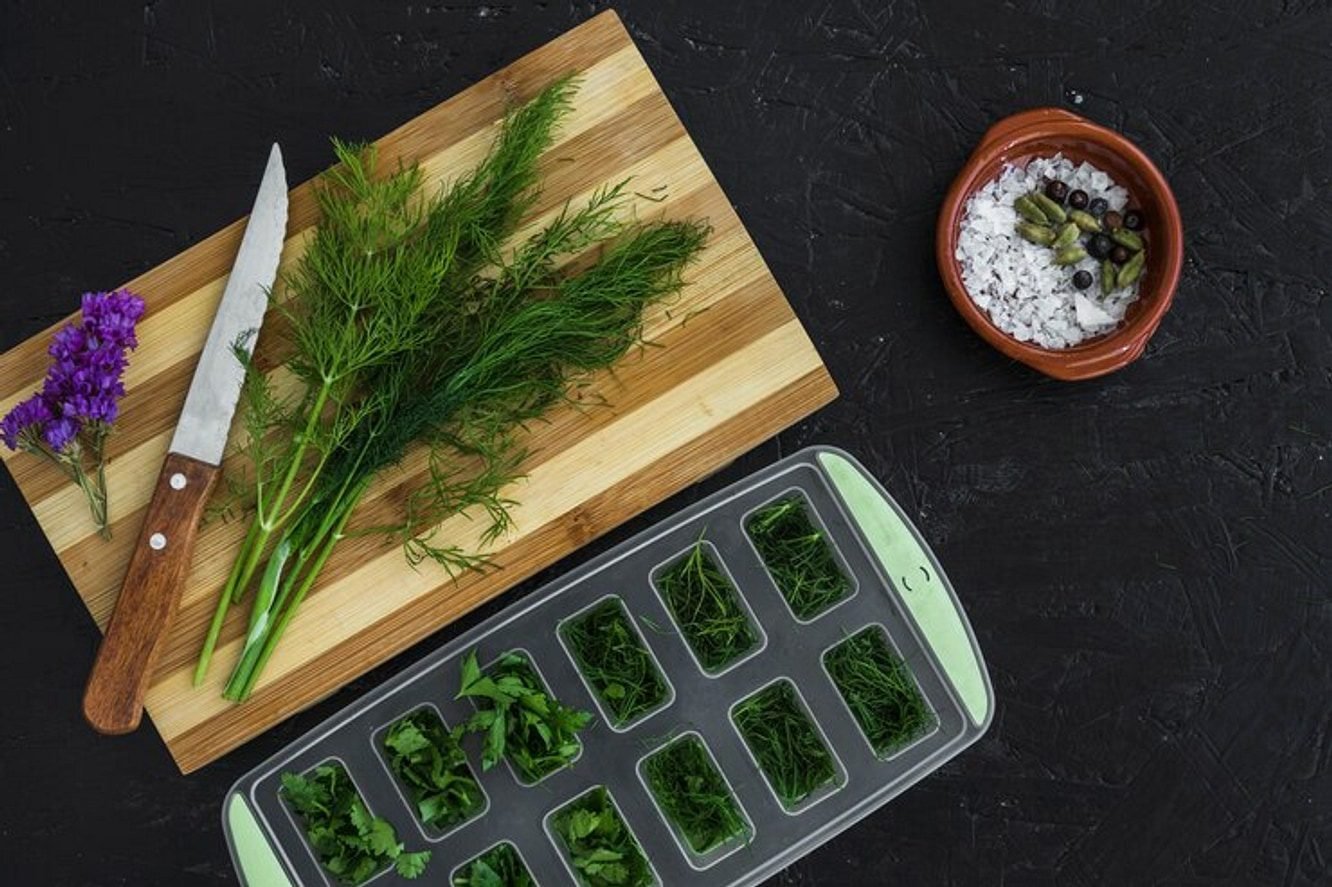
If you know you won’t use your herbs quickly, freezing works great for many herbs. Parsley, cilantro, dill, mint, chives, oregano, and thyme all freeze well.
- For most herbs, chop them up before freezing. This will make it easier to break off however many frozen cubes you need later on.
- Place herb leaves in ice cube trays and fill each section with water or olive oil.
- Label your frozen herbs with dates so you know which batch to use first.
- Freeze tender and hardy herbs separately if you have the freezer space.
- Use frozen herbs in cooked dishes like soups, sauces, and sautés.
Frozen herbs are less than ideal for eating alone, as they tend to get slimy after thawing. However, they will retain their flavor when cooked and can be a great way to prevent waste.
Mistakes That Cause Fresh Herbs to Spoil Faster
One of the biggest reasons people throw out fresh herbs is in the storage. If you wash your herbs before storing them, any excess moisture that remains on the leaves can promote decay.
Quick breakdown of common mistakes that can lead to the premature spoiling of herbs.
| Mistake | Cause | Effect | Prevention |
| Washing herbs before storage | Excess moisture on leaves | Promotes mold and decay | Dry completely before storage |
| Using sealed plastic bags | Traps heat, moisture, and air | Creates a greenhouse for bacteria | Use breathable bags or vents |
| Treating all herbs the same | Different herb structures (e.g., basil vs rosemary) | Incorrect storage methods | Sort herbs by type before storing |
| Exposure to rough handling | Damaged leaves/stems | Speeds up wilting and bruising | Handle herbs gently post-purchase |
By avoiding these storage errors, you can significantly extend the lifespan of your fresh herbs and reduce waste.
Sealed plastic bags are another biggies. Heat, moisture, and air are trapped inside when you put your fresh herbs in a plastic bag. Since most herbs should not be stored in water, this often creates the perfect little greenhouse for mold and bacteria to grow.
People make the mistake of thinking that all herbs should be treated alike just because they are found next to each other in the same grocery aisle. Basil has a vastly different makeup than rosemary.
Tips for Maximizing Herb Storage Life
Here are a few other tips that can help you get the most out of your fresh herbs. You want to keep delicate leaves from drying out, but also minimize exposure to temperature fluctuations and rough handling.
- Purchase less at one time. Visit your local farmer’s market weekly so you only need to keep herbs fresh for a few days.
- Only cut what you need from the stored bunches of herbs. Leave the rest to keep fresh for as long as possible.
- Make sure your refrigerator drawers are clean and dry. Mold loves damp areas!
- When purchasing new herbs, move the older bunch forward so you know to use them first.
- Take the time to evaluate your fresh herbs every few days. You can stop spoilage before it starts if you catch tired herbs in time.
Avoid these mistakes and follow these tips and you will dramatically increase the lifespan of your herbs. No matter which storage method you choose for each type of herb, your fresh herbs will last longer if you are consistent with care.
Tips to Create Your Own Herb Storage System
Find a system that works with your weekly habits. Sort tender herbs from hardy herbs as soon as you get home from the store.
Take a minute to evaluate your herb storage whenever you are already washing produce for meal prep. You can prolong the life of your herbs by using twitching leftovers in sauces or moving them to freezer cubes before they get too tired to use.