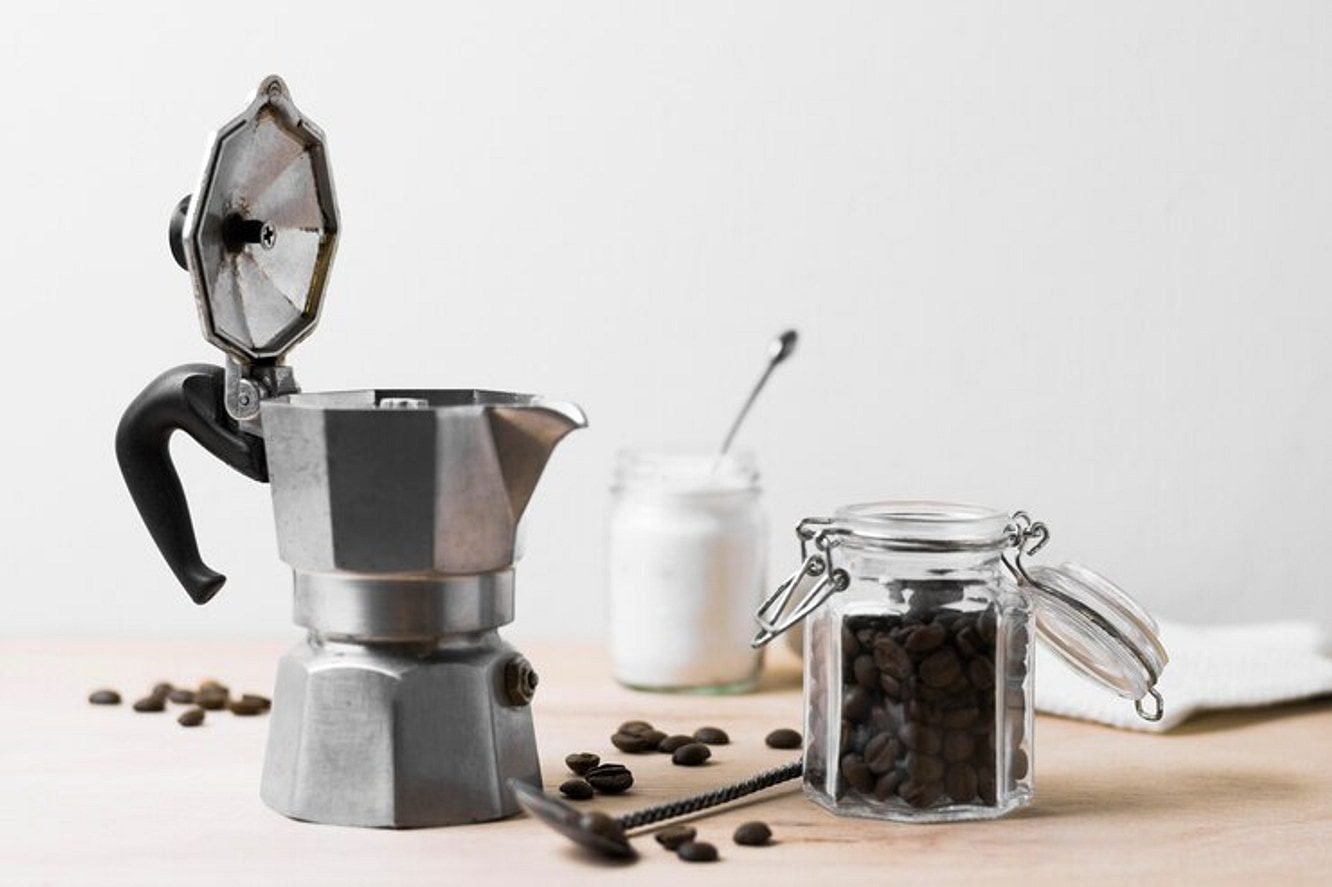
From better flavor to longer lifespan, keeping your coffee maker clean can have numerous benefits. Limescale from water molecules can accumulate inside the appliance over time, which not only leaves behind subpar coffee but can also reduce how fast it works. Avoid chemicals and expensive cleaning products by learning how to descale naturally instead.
Why Descale With Natural Ingredients?
Scale from hard water can collect inside your coffee maker’s reservoir tank, tubing, and even the heating element itself. Calcium and magnesium are naturally occurring minerals found in tap water that can reduce your coffee pot’s efficiency if left unchecked.
By removing the scale before it has time to build up significantly, you can reduce wear and tear on your machine and improve the taste of your coffee. If you start to notice a flat taste to your coffee, the brew cycle takes longer than usual to finish, or your coffee maker seems to sound different when it’s brewing, you may have some buildup that is starting to cause performance issues.
Supplies You’ll Need
To make the natural descaling process as smooth and easy as possible,grab everything you’ll need before starting. This ensures you don’t have to run around searching for items once you’ve already begun.
- White vinegar or lemon juice
- Freshwater
- Clean sponge or dishcloth
- Access to a sink
- Coffee maker instructions
Always double-check your owner’s manual before you start. Some coffee pots have specific requirements or recommended products when cleaning. Once you know what you can and cannot use on your coffee maker, you will know what natural ingredients are safest to use.
Vinegar Method for Descaling
If you don’t have citrus on hand or prefer vinegar, you can use white vinegar to naturally descale your coffee maker. Because vinegar is inexpensive and widely available, it’s one of the most popular natural cleaners.
Simply fill the reservoir with half white vinegar and half water. Run the brew cycle about halfway, then let it sit for an hour. Once 30 minutes has passed, allow the coffee maker to finish brewing. This helps break up the limescale inside your coffee maker.
Finally, run at least two or three brewing cycles with just water. This helps remove any lingering vinegar smell or taste from the appliance. Vinegar can leave your coffee tasting acidic if you don’t rinse your coffee maker thoroughly.
Using Citric Acid to Descale
Citric acid works similarly to vinegar and is especially useful if you don’t care for the smell of vinegar. Like vinegar, citric acid works wonders on hard water deposits and often leaves less of a scent behind.
Fill the reservoir with warm water, and add one to two tablespoons of citric acid. Allow it to run through the brew cycle. If you have heavy buildup, you may want to let it sit for an hour before running fresh water through several cycles.
Citric acid is a great option for neglected coffee brewers. If you have a drip coffee maker that hasn’t been cleaned in ages, consider choosing citric acid. This natural descaler is stronger than vinegar but is still gentle on most surfaces.
Signs You Need to Descale
If you wait until your coffee maker can’t be ignored, you may be waiting too long. While some signs are more noticeable than others, most damage can occur long before you realize your coffee tastes off.
- The time it takes to brew a full pot seems slow
- Coffee has a bitter or dull taste
- Machine noises are louder or different
- Water doesn’t seem as strong as it used to be
- You see white residue or dots in your coffee pot
These are just a few of the most common signs you may need to clean your coffee maker. Depending on your usage rates, you should descale once every few months. Taking care of the issue before it becomes noticeable can make removal easier and help you avoid damaged flavors.
How Frequently Should You Clean?
Frequency depends on the hardness of your water, how often you brew coffee, and if you use filtered water. Families who use tap water multiple times a day will likely have to clean their coffee makers more often.
Here’s a quick comparison to help you decide how frequently you should clean your coffee maker based on key factors.
| Factor | Recommended Frequency | Reason | Notes |
| Tap Water (Hard) | Every Month | Hard water causes scale faster | Use filtered water to delay scaling. |
| Tap Water (Soft) | Every 3 Months | Lower mineral content | Adjust based on brewing frequency. |
| Filtered Water | Every 4-6 Months | Minimizes scale buildup | Still descale if taste changes. |
| Heavy Brewing (>1x/day) | Every Month | Frequent use accelerates buildup | Monitor performance closely. |
With this in mind, you’ll have a clearer idea of how to maintain your coffee maker effectively.
As a baseline, aim to descale your coffee maker every three months. However, if you notice your water is harder than average or you brew more than one pot of coffee each week, you may want to clean once a month.
You can let the state of your coffee determine when to descale as well. Once water takes too long to brew or your coffee starts to lose its vibrant taste, it’s typically time for a good cleaning.
Ingredients and Products to Avoid
Just because something can clean your coffee pot doesn’t mean you should use it. Abrasive scrubbers can cause damage to your appliance, and harsh chemicals can leave behind flavors you’ll never taste.
- Never use bleach
- Avoid scrubbers that can scratch your coffee maker
- Stay away from heavily scented detergents
- Never use boiling water
- Read your manual to ensure the product won’t void your warranty
Water and basic ingredients like vinegar or lemon juice are your friends. Natural methods require a bit more consistency but can prevent you from damaging your coffee maker by using the wrong chemicals.
Preventative Maintenance
There are small things you can do every day to limit how often you need to descale your coffee maker. While they take a bit of time, better consistency can mean better flavor and improved performance.
Empty the water from your coffee maker if you aren’t using it daily. Likewise, start using filtered water. These small changes can have you swapping out your coffee maker less because you took better care of the one you have.
You should also try wiping down the outside of your coffee maker and rinsing any removable pieces when you finish brewing. Machines clean easier when they never have the opportunity to get severely dirty.
Vinegar or Citric Acid? Which Is Better?
If you’re wondering which natural method is better, consider what you want out of your cleaner. Do you prefer to have more control over the scent? Do you have heavy buildup you need to remove?
If you don’t mind the smell and are just descaling on a regular basis, vinegar is your best bet. Citric acid works similarly but often has a less potent smell. However, if you need to remove serious buildup, vinegar is the stronger option.
No matter which method you choose, try sticking to a schedule. Monthly maintenance can keep your coffee maker running smoothly and save you money in the long run by not replacing your coffee maker as often.