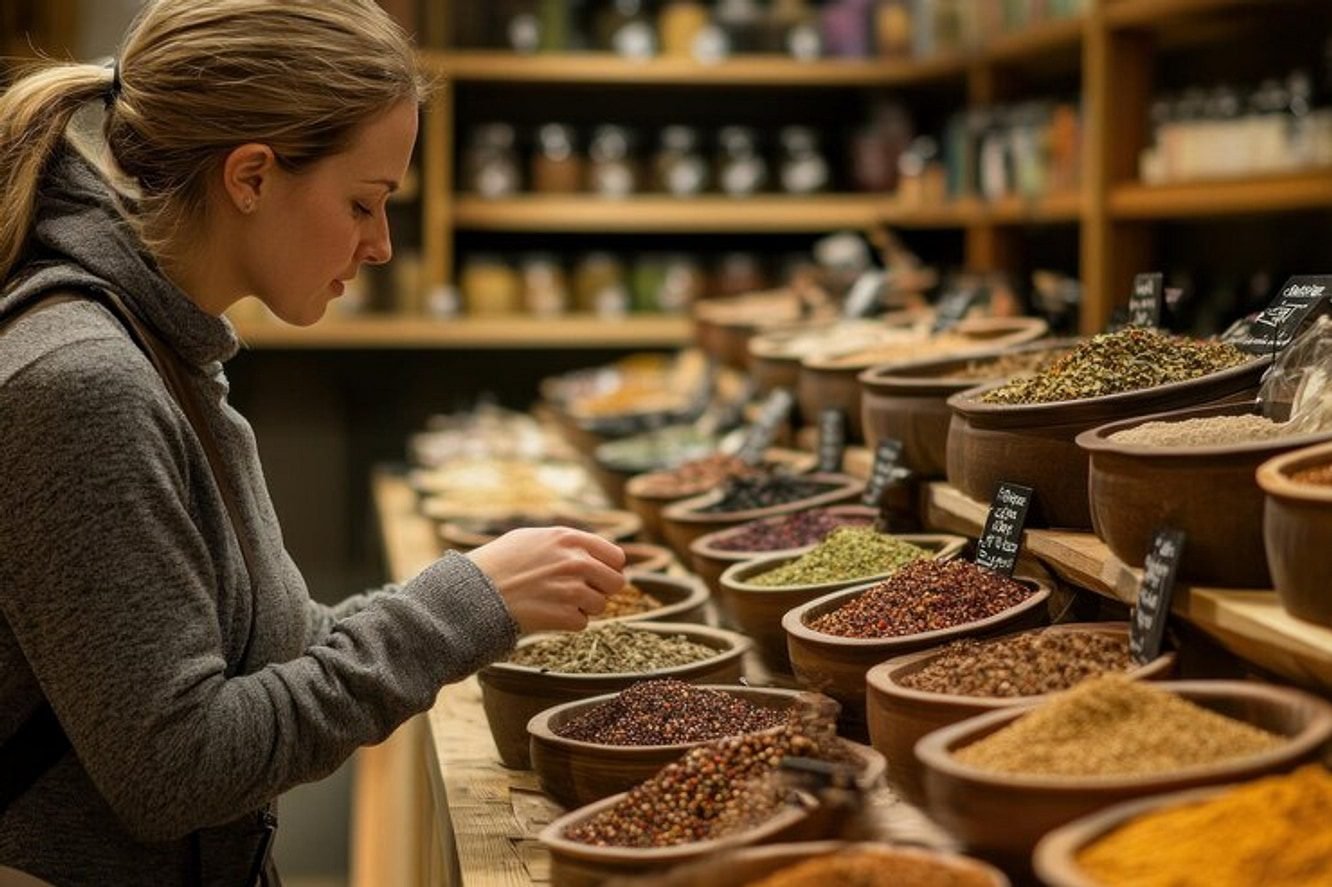
Cooking your favorite meals can create unforgettable flavors with spices, but an overstuffed rack can be overwhelming at first. We collected some spices for beginners. Starting small lets you gain confidence while seasoning food you eat every day. Here’s how to keep your rack manageable and your pantry practical.
Focus on Versatile Spices You’ll Use Often
Everyone’s tastes are different, but a beginner spice rack should start with spices that complement most meals. Rather than filling your cupboard with every spice you find interesting, stock up on spices that can help season vegetables, proteins, grains, and soups without prioritizing one type of cuisine over another.
- Ground black pepper
- Kosher salt or sea salt
- Garlic powder
- Onion powder
- Paprika
- Ground cumin
These spices should be enough to keep your meals interesting. They enhance flavor without requiring advanced preparation. Once you understand how each spice reacts to heat and other seasonings you will be able to season any food with confidence.
Fresher Spices Taste Better Than More Spices.
It may be tempting to stock up on every cookbook recipe you come across, but you don’t need a huge cupboard to create delicious food. Purchasing a few spices that you will actually use keeps your rack organized and your meals flavorful.
Spices lose their aroma with age. A small collection of spices that you use daily will taste fresher than dozens of bottles you forget about. When possible, look at the packing date on the label and purchase spices from stores with high turnover.
- Whole spices usually stay fresh longer than ground spices.
- However, ground spices are more beginner friendly.
- Ground spices don’t require additional tools or prep.
- They work great in sauces, marinades, rubs, and batter.
- Sprinkle ground spices right onto food from the container.
Start with ground spices, then graduate to whole spices as you become more comfortable stocking your pantry.
Spices for Beginners: Your Starter List
Salt, black pepper, garlic powder, paprika, cumin, and cinnamon are all you need to get started. They allow you to cook savory meals, season roasted vegetables, and add zest to breakfast foods. You can even use them to satisfy your sweet tooth in a few easy dishes.
Garlic powder and paprika lend complexity to savory meals. Cumin and black pepper help bring out the flavor of roasted vegetables. Cinnamon is a great spice to start with because it has uses beyond dessert.
- Use cinnamon in oatmeal and baked fruit.
- Try adding it to coffee or chili.
- Make your own cocoa powder with cinnamon.
These ingredients will keep you busy while you discover which spices you enjoy most. Quick question: where should you buy spices? Try your local grocery store, look online, or explore specialty stores near you. Don’t be afraid to ask for suggestions when you’re ready to expand your rack.
Should You Buy Whole or Ground Spices?
Ground spices don’t require prep so they’re great for quick meals during the work week. Whole spices have a longer shelf life but you’ll need to buy additional tools if you want to toast or grind them yourself.
- Invest in a mortar or small grinder for whole spices.
- Whole spices often need to be toasted before use.
- Toasting helps wake up the aroma of whole spices.
- Ground spices are ready to use straight out of the container.
- Purchase whole spices if you have the extra time.
Seasoning takes practice, so don’t be afraid to experiment with whole and ground spices. You don’t have to commit to one over the other permanently.
Spices for Beginners: Expand Your Rack Slowly
Add spices to your rack as you discover new dishes to enjoy. Need ideas? Pay attention to meals you cook often and season them with new spices. Cooking tacos? Try adding chili powder or oregano. Prefer grilled chicken? Give thyme or rosemary a try.
Only buy one new spice at a time so you can get familiar with its uses. Forming habits around your spices will prevent waste and save you money. Here’s a quick tip:
- Match spices to dishes you eat regularly.
- Oregano tastes great with tomatoes and roasted veggies.
- Try adding thyme to chicken or potatoes.
- Chili powder is delicious with beans, beef, and stew.
- Try ground coriander for citrusy flavor.
- Add some turmeric to your next pot of rice.
You will learn a lot about what you enjoy by seasoning your favorite meals at home. Think of every new spice as an opportunity to refine your cooking skills.
Spice Storage
High turnover and proper storage keep your spices fresh between grocery runs. Always keep jars tightly sealed in a cool, dark cupboard. Cooking with spices should complement your meals, not make you worry about expiration dates.
Don’t sprinkle spices directly above your pan if possible. You may be chopping, frying, or boiling away all the flavor. Worse yet, your spice may absorb moisture from the air and lose its aroma.
- Keep your spices in airtight containers.
- Arrange your spices so you can see the label.
- Stoves get hot. Keep spices away from heat.
- If you don’t cook daily, buy smaller containers.
- Smell your spices before you cook with them.
Fresh spices make every meal better. That’s true whether you spend a lot of money on herbicides or simply visit the grocery store every week.
Know When to Upgrade Your Rack
Consider upgrading your spices once you’ve tried everything you can think to cook with your current selection. This is a good time to branch out and try spices you’ve heard about but never felt were necessary.
Do you grill often? Smoked paprika may become your new favorite. Do you bake more than you’d like to admit? Nutmeg can help bring your desserts to the next level. A fan of chai tea? Cardamom might be the spice you’ve been looking for.
Here are some questions to ask when adding to your rack:
- Will this spice allow me to create meals at home?
- Can I use this spice in several different recipes?
Remember, stocking your spice rack is a marathon, not a sprint. You’ll never run out of spices to try, but buying too many at once can overwhelm even the most skilled cooks.