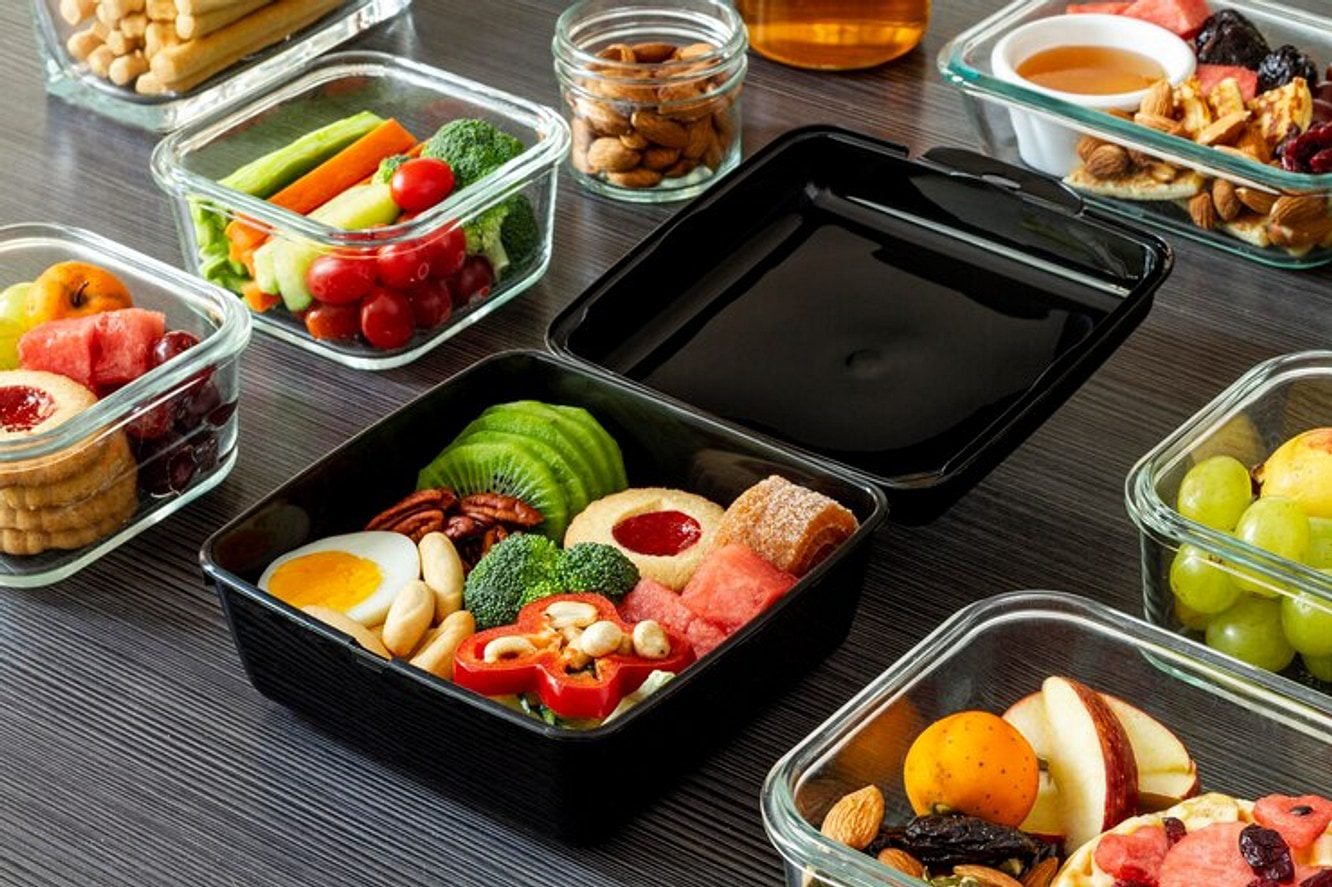
Meal prep does not have to mean spending your Sunday cooking seven identical dinners. Preparing a few useful ingredients—or assembling tomorrow’s lunch while you make tonight’s meal—can be enough to make the week easier.
These easy meal prep ideas give you practical combinations to work with. Some are complete meals, while others are components you can turn into dinner quickly. Start with two or three that fit your routine rather than trying to prepare everything at once.
Before you begin, decide which portions you will refrigerate and which you will freeze. A week’s worth of cooking does not mean every cooked dish should spend a full week in the refrigerator.
A Few Storage Rules Before You Start
Keep your refrigerator at 40°F / 4°C or below. Refrigerate perishable food within two hours, or within one hour when the surrounding temperature is above 90°F / 32°C.
Divide large batches into smaller, shallow containers so they cool quickly. You do not need to leave cooked food on the counter until it reaches room temperature.
For most cooked leftovers, plan on three to four days in the refrigerator. Freeze portions intended for later, and reheat leftovers to 165°F / 74°C.
These recommendations come from the USDA’s leftovers guidance. Individual ingredients and recipes may need shorter storage, so check their instructions too.
1. Chicken, Rice, and Roasted Vegetable Bowls
What to prepare: Cooked chicken, rice, roasted carrots and broccoli, plus a dressing stored separately.
Divide the rice, chicken, and vegetables into meal-sized portions. Change the flavor when serving: lemon and herbs for one meal, salsa for another, or a spoonful of pesto.
Cook chicken to 165°F / 74°C before portioning. Cool and refrigerate the rice promptly along with the other cooked ingredients. Freeze portions you will not eat within the recommended refrigerator period.
2. Chickpea and Couscous Lunch Boxes
What to prepare: Couscous made according to its packet, drained canned chickpeas, chopped peppers, cucumber, parsley, and lemon dressing.
Combine the couscous and chickpeas, then add vegetables according to when you plan to eat the meal. Keep dressing separate to prevent the mixture from becoming soggy.
For a simple starting portion, use roughly equal amounts of cooked couscous and chickpeas, then add plenty of vegetables. Refrigerate promptly and make smaller batches when including freshly chopped produce.
3. Roasted Vegetables for Several Different Meals
What to prepare: A tray of carrots, peppers, courgettes, or other vegetables you already enjoy.
Cut vegetables into reasonably even pieces and roast according to a suitable recipe. Store them as a component rather than committing the whole batch to one dish.
Use a portion in a grain bowl, fold another into an omelet, or serve some beside freshly cooked fish. Keep dressings and delicate toppings separate until serving.
4. Turkey and Bean Taco Filling
What to prepare: Ground turkey cooked with taco-style seasonings, drained beans, and a little tomato sauce.
Cook the turkey mixture to 165°F / 74°C. Portion the filling into shallow containers and refrigerate promptly.
Use it in tortillas, over rice, or inside a baked potato. Pack lettuce, cheese, and salsa separately so you can reheat the filling without warming ingredients that are better served cold.
Freeze extra filling in portions suited to a single meal.
5. Lentil and Vegetable Soup
What to prepare: A dependable lentil soup recipe using ingredients such as carrots, celery, tomatoes, and stock.
Soup is useful when you want a complete dish that is easy to portion. Add bread or another simple side when serving rather than preparing every part of the meal in advance.
Divide a large pot into shallow containers for rapid cooling. Refrigerate the portions you will use soon and freeze the rest. Stir well during reheating and bring the soup to a rolling boil.
6. Vegetable Egg Muffins
What to prepare: A fully cooked egg-muffin recipe with chopped vegetables and, if desired, cheese.
These can work for breakfast, a packed lunch, or a quick meal with toast and salad. Let the recipe determine the quantities and baking method rather than estimating the egg-to-vegetable ratio.
Refrigerate cooked egg dishes and use them within three to four days, following FDA egg-safety guidance. Do not plan to keep egg muffins in the refrigerator for seven days.
7. Overnight Oats With Toppings Packed Separately
What to prepare: Rolled oats, milk or a suitable alternative, and yogurt if your recipe includes it.
Use a reliable overnight-oats recipe for the liquid ratio and storage instructions. Prepare a small batch for the next few mornings instead of assuming every version keeps equally well.
Add nuts, granola, and sliced fruit close to serving for a better texture. Keep the jars refrigerated; an oat mixture containing milk or yogurt is not suitable for storing on the counter.
8. Yogurt and Fruit Breakfast Pots
What to prepare: Plain yogurt, prepared fruit, and a separate container of granola.
Portion the yogurt into clean containers. Add fruit when assembling or shortly before eating, depending on the fruit and how well it holds its texture.
Keep the pots chilled and follow the yogurt’s storage instructions. Preparing a few at a time makes it easier to use them while the fruit is still appealing. Keep crunchy toppings dry until serving.
9. Freezer Breakfast Burritos
What to prepare: Cooked scrambled eggs, beans, cheese, and tortillas, using a recipe designed for freezing.
Avoid overfilling the tortillas. Cool the cooked filling promptly, assemble according to the recipe, and package individual burritos for the freezer.
Label them with the preparation date and reheating instructions. When heating a burrito, check the center rather than judging only by the hot tortilla. Reheated leftovers should reach 165°F / 74°C throughout.
10. Salmon and Potatoes for the Next Day
What to prepare: A salmon-and-potato dinner, with one planned extra portion.
This is a useful option when a large batch-cooking session feels unnecessary. Cook dinner, set aside tomorrow’s portion with clean utensils, and refrigerate it promptly.
Pack a lemon wedge or cold dressing separately. Follow safe cooking guidance for the salmon, and use the extra portion as a planned near-term meal rather than letting it become an unidentified container at the back of the refrigerator.
11. Pasta With Tomato and White Bean Sauce
What to prepare: Cooked pasta and a tomato sauce containing drained canned white beans.
Keep the sauce and pasta separate if you prefer to control their texture when reheating. Alternatively, portion them together for convenience.
Add fresh herbs or grated cheese at serving time. Refrigerate promptly and freeze additional portions if needed. A little water added during reheating can help loosen a sauce that has thickened, but check that the whole portion becomes properly hot.
12. Cooked Lentils for Salads, Wraps, and Bowls
What to prepare: Lentils cooked according to their package directions, or drained canned lentils.
Store them as a flexible base. At mealtime, combine a portion with roasted vegetables, add it to a wrap, or toss it with freshly prepared salad ingredients.
Keep wet dressings separate until needed. Label the container with the preparation date and use refrigerated cooked lentils within the general leftovers window, unless the product or recipe gives a shorter limit.
13. A Salad Kit With Separate Components
What to prepare: Ready-to-eat greens handled according to their package instructions, chopped vegetables, a cooked protein or beans, and dressing.
Store the components separately so the greens stay crisp and the protein can be handled appropriately. Assemble the salad shortly before eating.
Keep everything that requires refrigeration cold, including during transport. A salad box is convenient, but it still needs an insulated bag and ice packs when a refrigerator is not available.
14. Baked Potatoes With Ready-to-Use Toppings
What to prepare: Baked potatoes and a separate topping such as cooked beans, chili, or roasted vegetables.
Choose toppings you can use in other meals as well. A bean topping might work over a potato one evening and inside a wrap the next day.
Cool and refrigerate the cooked components promptly. Store them separately if that makes reheating easier, and add cold toppings such as yogurt or freshly chopped herbs afterward.
15. A Flexible Vegetable Prep Box
What to prepare: Washed, appropriately dried, and chopped vegetables selected for meals you already plan to cook.
For example, prepare carrots and peppers for a stir-fry, then portion broccoli for a tray bake. Label containers by meal if that helps.
This approach reduces preparation work without requiring you to cook everything in advance. Different vegetables keep differently after cutting, so prepare modest quantities and follow produce-specific storage guidance. Keep raw meat preparation separate from this task.
Turn Three Ideas Into a Manageable Plan
A small plan is often more useful than a refrigerator full of containers you feel obliged to finish.
For example:
| Preparation task | First use | Second use |
|---|---|---|
| Roast a tray of vegetables | Chicken-and-rice bowl | Lentil bowl or omelet |
| Cook turkey and bean filling | Tacos | Baked-potato topping |
| Prepare a small batch of oats | Tomorrow’s breakfast | Another breakfast within the recipe’s storage guidance |
Choose meals that share ingredients without becoming identical. You can vary the dressing, side, or final assembly while keeping the preparation simple.
Freeze suitable cooked portions intended for later in the week. Do not keep adding newly prepared food to an older container and treating the whole mixture as fresh.
Label Food So You Can Use It Confidently
A useful label tells you what the food is and when it was prepared. For frozen meals, include the freezing date and any recipe-specific reheating directions.
Keep older portions visible and check your plan before preparing another batch. This helps prevent meal prep from creating more food than you can realistically use.
For fuller guidance on cooking and reheating temperatures, see our Food Safety Temperature Guide.
Start With the Meal That Causes You the Most Trouble
I am still a beginner in the kitchen, so I prefer practical routines over ambitious cooking schedules. Preparing tomorrow’s lunch or making an extra portion of dinner feels much more manageable than organizing every meal for an entire week.
If breakfast is rushed, start with oats or a yogurt pot. If dinner is the difficult part, prepare one filling, soup, or tray of vegetables that you can use in more than one way.
These easy meal prep ideas are meant to make your routine easier. Choose a few you genuinely want to eat, keep the storage plan clear, and adjust as you learn what works in your kitchen.
Sources and Food-Safety Note
These are meal-planning ideas rather than individually tested recipes. Use reliable recipes for ingredient quantities, cooking methods, and food-specific storage instructions.