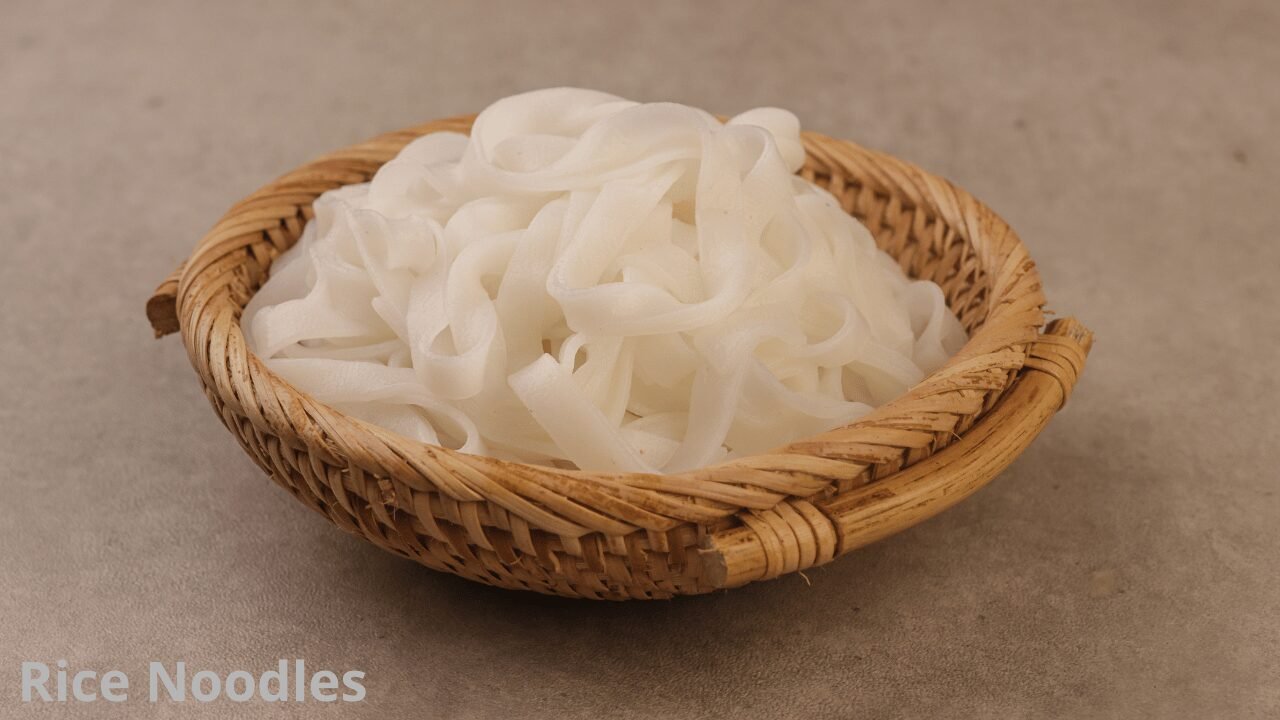
Yes, rice noodles can deteriorate or become unsafe, but dry, fresh, and cooked noodles need different storage methods. Dried noodles belong in a cool, dry cupboard; fresh noodles need the storage conditions specified on their packaging; cooked leftovers need prompt refrigeration or freezing.
A packet of dry rice vermicelli and a container of leftover noodle soup should never share the same storage timeline.
Start by identifying which type you have, then follow the appropriate instructions below.
Rice Noodle Storage at a Glance
| Type | Where to store it | Which timeframe to follow |
|---|---|---|
| Dried rice noodles | Cool, dry pantry in sealed packaging | Package date and any after-opening instructions |
| Fresh refrigerated rice noodles | Refrigerator | Manufacturer’s use-by and after-opening directions |
| Shelf-stable, ready-to-use noodles | As directed on the unopened package | Follow separate instructions after opening |
| Cooked rice noodle leftovers | Refrigerator at 40°F (4°C) or below | Generally 3–4 days under USDA leftover guidance, unless a shorter instruction applies |
| Frozen rice noodles | Freezer | Package or recipe guidance for quality and preparation |
These categories matter more than a single claim that “rice noodles last a year” or “rice noodles last four days.”
How to Store Dried Rice Noodles
Keep dried rice noodles away from moisture, heat, and pantry pests. After opening the packet, reseal it securely or transfer the remaining dry noodles to a clean, dry container.
Retain the original label so you can check the cooking directions and any after-opening guidance.
Dry noodles are often firm and brittle by design. Brittleness alone is not evidence that they have spoiled. More concerning findings include mold, insects, or moisture entering the package.
Once noodles have been soaked or cooked, they no longer belong in this dry-storage category. Do not return hydrated noodles to the pantry.
How to Store Fresh Rice Noodles
Follow the exact product’s instructions. Fresh noodles sold refrigerated should remain refrigerated, while specially packaged shelf-stable products may have different requirements before opening.
Check for both a date and an instruction such as “use within” a specified period after opening. Do not assume that the unopened package’s date still applies unchanged once its seal is broken.
If buying freshly made noodles without a label, ask the seller how they should be stored and when to use them. Avoid assigning every fresh noodle product the same four-day refrigerator life.
Refrigeration can affect texture, so follow the preparation instructions when separating or warming the noodles. A change in firmness is not, by itself, a reliable safety test.
How to Cool and Store Cooked Rice Noodles
Under USDA guidance, cooked leftovers should be refrigerated within two hours, or within one hour when the surrounding temperature exceeds 90°F (32°C).
Divide large batches into smaller, shallow containers to help them cool quickly. Do not leave a deep pot of noodle soup on the counter waiting for it to become completely cold.
Keep the refrigerator at 40°F (4°C) or below, and use properly handled leftovers within three to four days, unless the product or recipe requires a shorter period.
Label the container with the cooking date. Count from preparation, not from the most recent reheating.
If the noodles are part of a dish containing meat, seafood, eggs, or another ingredient with stricter storage requirements, follow the shorter applicable guidance.
Why Prompt Cooling Matters
Food Standards Australia New Zealand identifies precooked starchy foods, including rice and pasta, as foods associated with Bacillus cereus risk.
Some bacterial spores can survive cooking. When cooked food is held under unsuitable conditions, bacteria may grow and produce toxins. Reheating is not a dependable way to correct earlier mishandling.
That is why a noodle dish that sat out overnight should not be treated as safe simply because you plan to stir-fry it thoroughly.
Smell and appearance also cannot reveal every food-safety problem. Storage history matters even when the noodles look ordinary.
Can You Freeze Rice Noodles?
Freezing can help when you have more cooked noodles than you will use within their refrigerated storage period.
Package suitable leftovers in small, freezer-safe portions and label them. Freeze them while they are still within their safe storage period, rather than waiting until they become questionable.
Texture after thawing varies: some noodles soften, clump, or break more easily. Follow manufacturer guidance for fresh or commercially frozen products.
Thaw cooked leftovers in the refrigerator, or use a microwave if you will reheat them immediately. Reheat leftovers thoroughly to 165°F (74°C), checking with a food thermometer. Stir during microwave heating to reduce cold spots.
Freezing does not make spoiled noodles safe again.
How Can You Tell Whether Rice Noodles Have Gone Bad?
Discard noodles with mold, an unexpected unpleasant odor, or obvious deterioration. However, do not use tasting as a test.
Texture must be interpreted in context. Dry noodles may naturally be brittle, and cooked rice noodles can be sticky. Those characteristics alone do not establish spoilage.
Likewise, a normal smell does not override a known problem such as cooked noodles being left unrefrigerated overnight.
When the storage history is uncertain, do not rely on a small taste to settle the question.
Can You Eat Rice Noodles After the Printed Date?
Read the wording rather than treating every printed date as identical.
In the United States, the FDA describes “Best if Used By” as a quality indication. Passing that date does not automatically mean a properly stored dry product becomes unsafe that day.
That does not justify ignoring fresh-noodle storage instructions or extending a safety-based use-by date. Date-label rules differ between countries, and refrigerated products need particular care.
If the meaning of a date is unclear, check with the manufacturer. The condition of the packaging and the way the noodles were stored also matter.
Make Leftovers Easier to Manage
Cooking the amount you need is the simplest way to avoid storage uncertainty. When you do have extra noodles, portion and label them as part of clearing the meal away.
A small container with a clear date is easier to use than a large, forgotten batch. Keep dry noodles dry, follow fresh-product labels, and cool cooked leftovers promptly: those habits make rice noodles a convenient ingredient for everyday cooking.
Sources
FDA: How to Cut Food Waste and Maintain Food Safety
USDA: How Do I Handle Leftovers Safely?
Food Standards Australia New Zealand: Bacillus cereus in Food