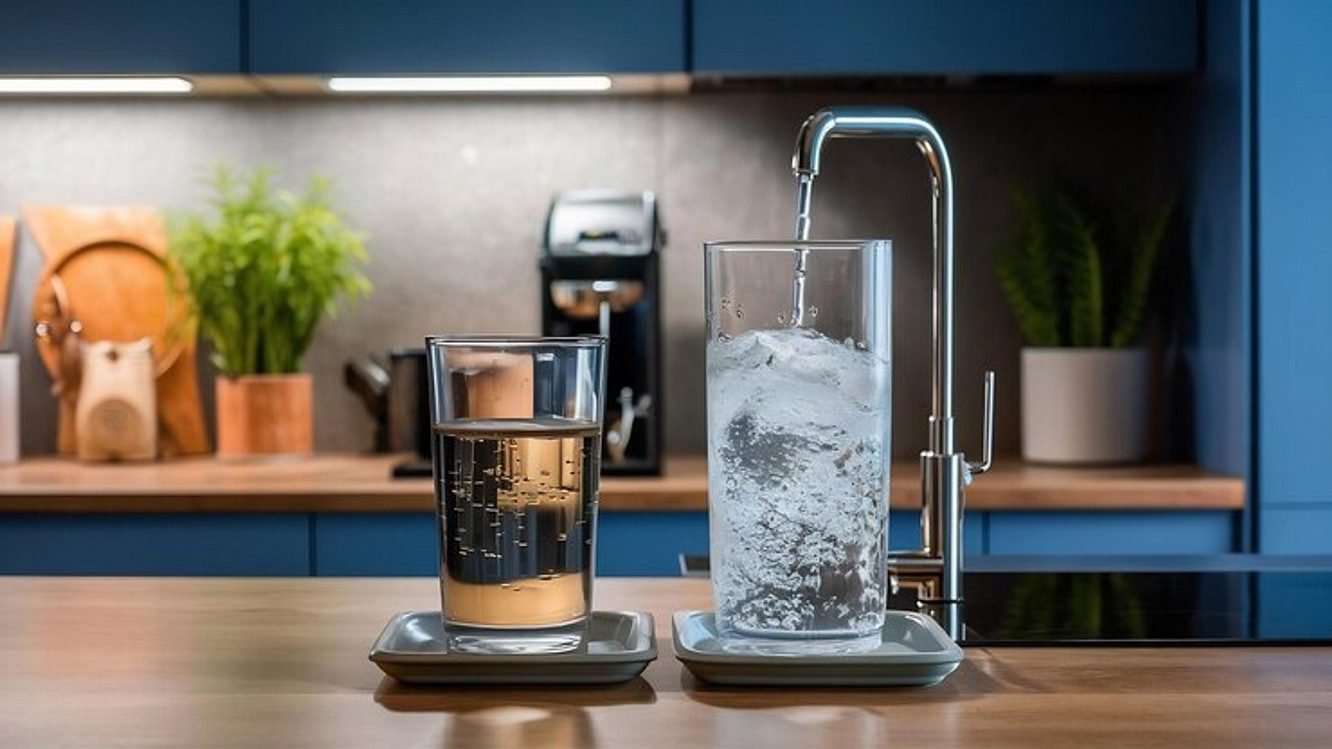
The water you drink every day doesn’t have to taste like plastic. Investing in a water filter pitcher is one of the easiest swaps you can make around your house. Follow our water filter pitcher guide to find the best one because many models offer convenient lower-cost filtration, but not all pitchers are right for your needs.
Pitcher Pros: Your Water Out of the Bottle
Filter pitchers can be a happy medium between buying bottled water and investing in pricier filtering equipment. These pitchers are slim enough to easily fit inside most refrigerators and require no installation or special setup. The right filter can greatly improve the taste and odor of your tap water.
Water filter pitchers can be ideal if you’re looking for something relatively low commitment. They are lightweight, fairly inexpensive to purchase, and easy to replace when the filter stops absorbing contaminants. Students, renters, and families wanting to try filtration without buying a sink attachment will find pitchers to be convenient options.
Water Filter Pitcher Guide: Before You Buy: Factors to Consider
Water filter pitchers come in many shapes and styles. While some are clearly targeted at specific water conditions, others simply boast purifies water on the box. Comparing models based on other criteria can help you narrow down the best choice.
See which specific contaminants are reduced by the filter. How many ounces does the reservoir hold? How long does it take to filter a full pitcher? How long does the filter last before needing replacement? Are replacement filters easy to find at grocery stores or online?
A slim design may look great on your counter, but is it comfortable to use every day? How much space does the filter pitcher take up in your refrigerator? How often will you need to refill it based on how quickly your household drinks water? Consider routine when picking a pitcher.
- Check the filter certification to see which contaminants it reduces.
- Compare the cost over time, not just the initial price of the pitcher.
- Ensure you can find replacement filters.
- Consider how much filtered water your household will go through.
- Investigate if the pitcher pours smoothly.
- Determine if the filter pitcher will fit in your fridge.
- Look into whether the pitcher has filter replacement reminders.
The perfect pitcher often comes down to your preferred convenience level. If you know you’ll never remember to replace the filter, choose a model that doesn’t require it. If the pitcher itself is annoying to refill, you mayavoid using it altogether.
Water Filter Pitcher Guide: Understanding Filter Certifications
While filtering claims might all sound the same on the box, certifications can help you make sense of what each pitcher can actually do. Standards like NSF and ANSI verify that the filters perform up to the company’s promises by testing them against specific contaminants.
Look for certifications that are specific to improving drinking water. This usually means certified to reduce or filter out substances like bacteria, chemicals, and lead. Models that aren’t certified use other methods like replacement filter suggestions to ensure your water tastes better.
- NSF means the filter was tested for specific contaminants.
- ANSI indicates the filter was tested using specific standards.
- Some filters only target chlorine and improve taste.
- Others reduce contaminants like lead, mercury, or some industrial chemicals.
- Not every contaminant will matter for your household.
- Your tap water may not have trouble with heavy metals.
- Watch out for filters selling you on benefits they can’t guarantee.
Certifications can be meaningless if you know your water is clean. If you receive a yearly water quality report from your city or you know your water tastes fine, jump straight to our buying guide.
Water Filter Pitcher Guide: Capacity for Convenience
The size of your pitcher impacts two things: how often you’ll need to refill it and how many servings of water you can filter at one time. A smaller water filter may save space but will run out quicker. A larger option means less refilling but may take up more space or filter more slowly.
Maintenance is another part of convenience to consider. Some pitchers make changing filters seem like a chore. If you know for a fact you’ll forget to change the filter, go with a brand that reminds you. Otherwise, you might find your pitcher sits in the fridge until next year.
Water Filter Pitcher Guide: Best Features for You
Bottle shape, size of the filters, and color aren’t everything. But some features do matter more than others depending on your needs.
Does your family grab water throughout the day or do you tend to fill a glass and go? If someone is drinking water constantly, a faster flow rate might be best. Do you struggle to fill the pitcher without spilling? Choose a water filter with a helpful lid.
- A lid that makes filling easy helps you avoid spills.
- A pour spout that screws on will stay put.
- Pitchers with ergonomic handles are easier to carry when full.
- Slim pitcher profiles are better for small refrigerators.
- Clearly marked water levels help you know how much water is left.
- Reliable filters are simple to find and replace.
- Thick plastic or Tritan builders will last longer.
Look for features that fit your daily routine. For instance, if you hate remembering to replace filters, a filter reminder system might be perfect. You won’t use a fast flow rate if there’s only one person in your house and you don’t care about speed.
Water Filter Pitcher Guide: Taste, Odor, and Chlorine
Got kids that refuse to drink water? Or maybe your water just tastes gross? Chlorine taste and odor are common complaints that can usually be solved with filtration. If the water you receive from your faucets is unpleasant to drink, a filter pitcher can make it enjoyable to drink water again.
Sometimes you can tell right away if a pitcher improves your water. Other times, it takes multiple refills until the filtration system kicks in. If improving the way your water tastes and smells is your top priority, look for filters that have proven results with chlorine smell and odor.
Water Filter Pitcher Guide: Maintenance Cost and Filter Replacement
The low price of many water filter pitchers is misleading if you have to buy a new filter every month. The long term cost of maintaining your pitcher can quickly add up to over $100 per year. Filter replacements will be the most important recurring cost to keep in mind.
Keeping your water filter clean can also prolong the time between replacements. Pour out excess water if you know you won’t finish the pitcher and rinse the filter monthly. Following the filter replacement intervals keeps your water tasting fresh.
- Filters can cost almost as much as the pitchers themselves.
- Filters with longer lifespans may cost more money.
- Clean your filter pitcher to limit contamination.
- Change the filter within the recommended dates.
- Hard water can affect filter longevity.
- Purchasing more than one filter at a time saves you money.
- Mark your calendar so you don’t overextend your filter.
Consider how much the filters will set you back per year when comparing models. The upfront cost of some filter pitchers is negligible when you factor in the price of replacements.
Water Filters Pitchers Are Not for Everyone
Water filter pitchers work great for the majority of people who want better tasting water straight from their tap. If you’re mostly concerned with improving the taste, getting rid of odors, or basic filtration, a pitcher is a great choice.
Renters, homeowners in great areas, families, students, and people who want to drink more filtered water should look into water filter pitchers. Every water filtration option has drawbacks, and pitchers are usually only better than bottled water if you remember to refill them.