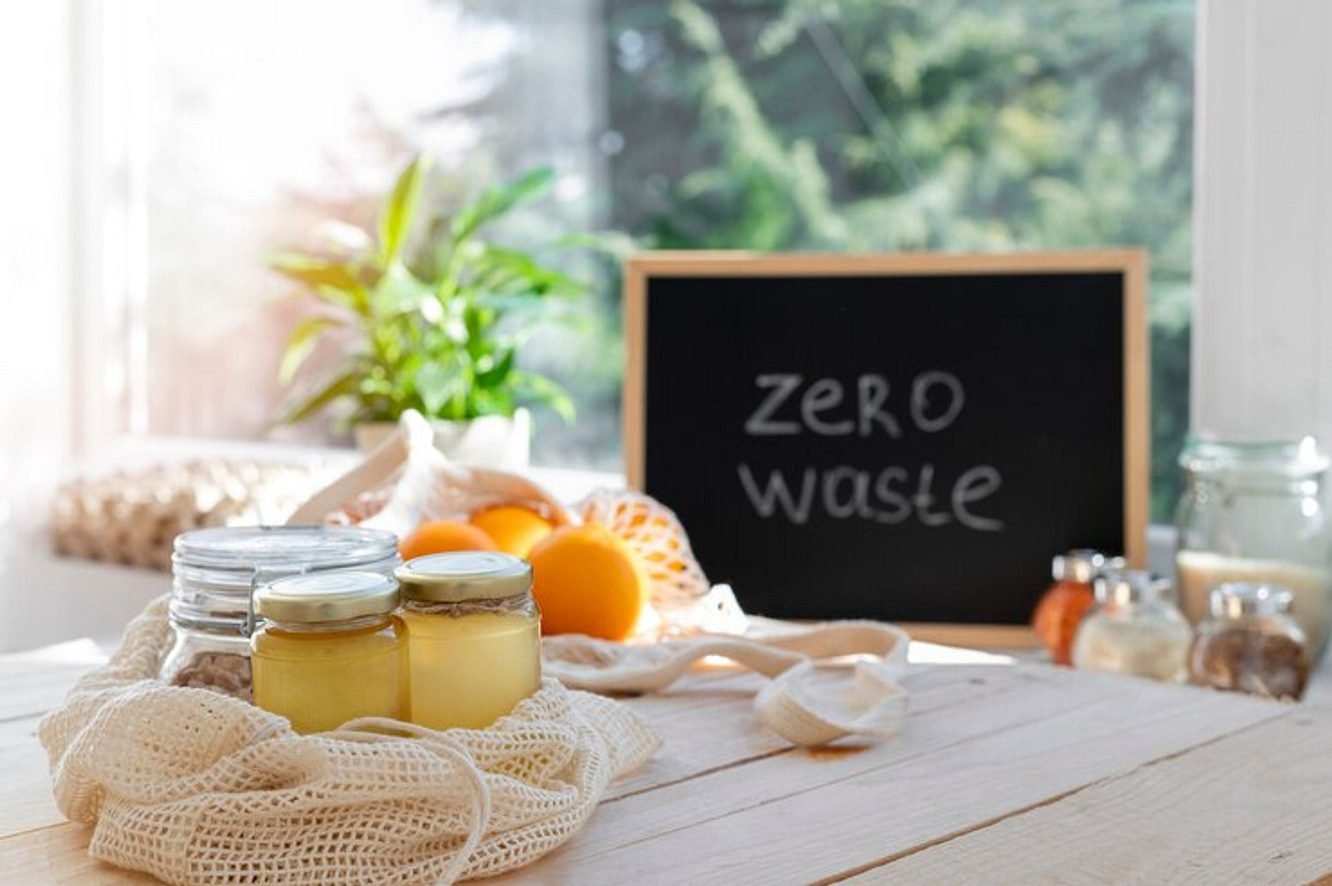
Making your kitchen a little greener doesn’t have to involve sweeping changes. By making simple swaps, you can quietly eliminate trash every day. Sustainable kitchen products in 20TwentySix are more convenient, built to last, and designed well than ever before.
Sustainable Kitchen Products: Kitchen Focus
Kitchens create the most waste in most homes. Whether you look at packaging, disposable products, or food waste, your kitchen is a great place to make an immediate impact. Unlike some indoor spaces, sustainable swaps in the kitchen can quickly pay for themselves by reducing trash output and eliminating items you used to replace regularly.
The best place to start is with upgrading the tools you use. Don’t think of this as purchasing more to own less, but rather opting for products that work better, last longer, and promote reuse.
Sustainable Kitchen Product Characteristics
Just because a kitchen product is marketed as eco-friendly doesn’t make it truly sustainable. Consider the lifespan of an item before purchasing. Things like materials, repair options, longevity, and disposal impact all play a role if you aim to purchase as little as possible.
- Multi-use and reusable products that can replace disposables
- Durable items that won’t need to be replaced as often
- Products that can be repaired will save you money down the road
- Sustainable materials like recycled or plant-based ingredients
- Packaging that is minimal or can be repurposed
You don’t need to fill your kitchen with brand new items to take a step towards zero waste. Focus on the products that you know will make a difference and make your life easier. If something saves you time while reducing waste, it’s worth keeping.
Sustainable Kitchen Products: Everyday Items That Can Be Reused
Products you use every day are the foundation of a low-waste kitchen. Reusable food storage, cups, and containers all replace single-use products you might have relied on before. Not only are these essentials available in more durable materials, but they also have improved in design over the years.
- Silicone storage bags are a great way to store food without using plastic bags.
- Wrap bowls and food in beeswax or plant-based wraps.
- Use cloth napkins instead of paper towels.
- Stainless steel straws can be used for any drink.
- Store leftovers in clear glass containers.
Not only do these products help you waste less, but they are also simple to clean and store. The more convenient these products are, the more likely you will use them. A low-waste kitchen should make sustainable choices feel effortless.
Sustainable Cookware Essentials
Cookware is one of those things that seems harmless but can cause plenty of waste over time. Cheaper cookware won’t last as long as high-quality options. When your pan only lasts a few years, you might find yourself replacing it multiple times.
Here’s a quick comparison of sustainable cookware options to guide your next investment.
| Cookware Type | Durability (Years) | Material | Key Features |
| Stainless Steel | 20+ | Steel | Rust-resistant, Non-reactive |
| Cast Iron | 50+ | Iron | Highly durable, Even heating |
| Ceramic | 10-15 | Clay | Non-toxic coating, Even heat distribution |
| Nonstick (High Quality) | 5-10 | Varies | Scratch-resistant, Easy cleanup |
Choosing the right cookware ensures that your kitchen remains both functional and sustainable for years to come.
When possible, look for stainless steel, cast iron, or even responsibly sourced ceramic cookware. Feel the handles to make sure they’re nice and sturdy. Look into the coating to verify that it is safe and durable. Some cookware allows you to replace parts or purchase new pans that match old ones after many years of use.
Avoid gimmicky options. If something seems too good to be true, it probably is. One quality pan will create less waste than buying multiple cheaper alternatives.
Sustainable Kitchen Products: Storage Containers That Reduce Waste
Containers are another area of the kitchen that can help you waste less food. Having clear containers to store leftovers, bulk foods, and snacks makes a difference. You’ll see everything you have at a glance and take fewer chances on letting food expire.
Clear containers allow you to know what you have before it goes bad. Airtight containers will keep food fresh longer. Choose ones that stack nicely or can be expanded with additional jars without needing clutter your cabinets with organizers.
The better your containers and storage system works, the less waste you’ll produce when cooking at home. You’ll be less tempted to buy excess food, you’ll toss less produce, and you’ll waste less time digging around for hidden groceries.
Durable Cleaning Supplies
Items like dish sponges, trashcan liners, and cleaners are often trash we could avoid. Just because an item is small doesn’t mean it doesn’t impact your waste. Buying items that you know will last will help you waste less.
Look for natural fiber sponges and scrub brushes. Opt for washable cloth towels rather than using paper. If you choose quality tools that won’t fall apart, you won’t need to replace them as often.
The better your cleaning tools are, the more effective they will work too. This creates positive feedback that will encourage you to stick with your sustainable products.
Habits to Adopt When Purchasing Products in 2026
The most sustainable action you can take is to buy less. In 2026 we have more options than ever to shop secondhand, refill our own containers, support local makers, and find brands that don’t greenwash.
Next time you go to purchase a new kitchen product, see if you already have something that can be repurposed to work instead. Can you repair it? Can you reimagine it for a new use? If you do need to buy something new, try to keep bulk and package-free items packaged as minimally as possible.
Sustainable Kitchen Products: When You Should Invest in New
Just as you shouldn’t replace something that still works, you shouldn’t feel bad about replacing an item that is broken. Tossing and replacing every item that shows a little wear would be contrary to sustainability.
- Throw away cracked containers that don’t close properly.
- If your spatula bends whenever you use it, buy a new one.
- Nonstick surfaces should be replaced when you can visibly see the wear.
- Metal spoon or turners can last a lifetime if they’re taken care of.
- If you have two coffee kettles, donate the one you aren’t using.
Avoid junk replacing junk. If you need to replace something, try to upgrade to a higher quality product that will help you waste less in the future.
Lasting Sustainable Habits to Build
The best kitchen products are only as good as the habits you build around them. Creating simple, easy habits will ensure your supplies stay top-of-mind. Washing your container right after using it, planning meals around leftovers, and keeping your reusable items accessible are easy habits to build.
Everything doesn’t need to change at once. Start small and build from there. Over time, those few healthy habits will grow until you can’t remember what your kitchen was like before.
2026 is all about investing in products that you will love and use daily. Your low-waste kitchen is less about short-term trends and more about what will work best for your life.