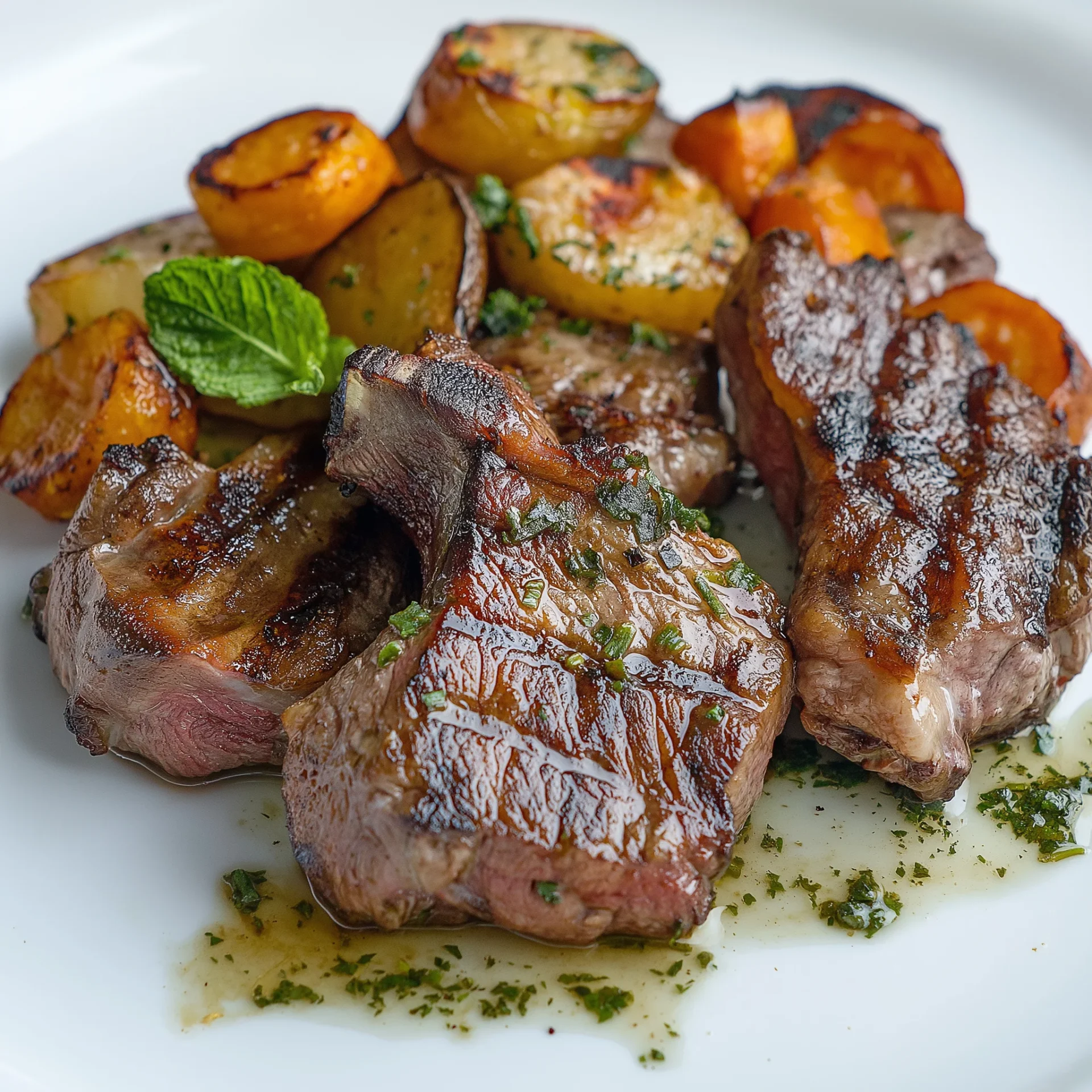
In my quest for distinctive flavors, I’ve found lamb neck fillet to be a standout choice. It’s affordable, versatile, and surprisingly robust in taste. First, I sear the fillets, locking in richness before introducing a medley of herbs and spices that weave into the meat like a tapestry of taste. Paired with a flavorful marinade, the fillets lose their tough reputation, transforming into a tender feast for the senses. The adventure of cooking is truly found in exploring such excursions of taste. But of course, there’s much more to this culinary journey, and I can’t wait for you to experience it.
What Makes This Recipe Great
As a food lover, you’ll appreciate the versatility and affordability of lamb neck fillets. These nuggets of deliciousness pack a punch of flavor that’s hard to beat. With a bit of time and patience, you can transform this underappreciated cut into a rich, melt-in-your-mouth dinner centerpiece. Whether you’re a seasoned chef or a home cook, the flavorful cooking possibilities are endless.
Now, let’s dive into the reasons why this recipe is great:
- The Rich Flavor: Lamb neck fillets are known for their rich flavor. When cooked properly, they yield a tender, succulent texture that’s simply irresistible.
- Versatility: There’s a wealth of recipe variations you can explore. From traditional British stews to inventive modern dishes, these fillets can adapt to any culinary style.
- Affordability: Lamb neck fillets are an economical choice. Despite their impressive taste, they won’t break your budget.
In essence, preparing lamb neck fillets is an artistic, innovative culinary adventure. It’s a chance to experiment with flavor profiles, cooking techniques, and to create a dish that’s truly unique and satisfying. Remember, good food is all about exploration and enjoyment, so let’s get cooking!
Ingredients
Now that we’ve waxed poetic about the virtues of lamb neck fillets, let’s roll up our sleeves and set the stage for culinary magic. With a reputation for being tough, lamb neck fillets are an underrated gem among alternative cuts, often overlooked in favor of their more tender counterparts. But with a little bit of patience, their robust flavors can be coaxed out, painting a symphony of taste on your palate.
To embark on this culinary adventure, we’ll need a few key ingredients:
- Lamb neck fillets: The star of our show, boasting deep flavors that only improve with slow cooking.
- A medley of herbs and spices: To draw out the inherent richness of the lamb.
- Flavorful marinades: A medley of citrus, oil, and herbs, to tenderize and infuse the lamb with a bouquet of flavors.
As we gather these ingredients, we’re not just preparing a meal, we’re stoking the embers of a gastronomic revelation. From the aromatic herbs to the zesty marinades, each element is a verse in the ballad of our lamb neck fillet recipe. With these ingredients at our disposal, we’re ready to create culinary magic.
Step-by-Step Direction
Let’s plunge into the heart of our culinary journey, with every step carefully choreographed to unlock the full potential of our lamb neck fillets. Now, we’ll delve into the artistry of cooking techniques and flavor pairings that will transform this tough cut into a succulent masterpiece.
Firstly, you’ll sear the fillets, locking in the juices and adding a savory crust. This technique is crucial for a flavorful dish. Then, our cooking time comes into play. Remember, patience is key. The lamb neck fillets require slow cooking to tenderize that tough cut.
Let’s consider our seasoning options and flavor pairings:
- Rosemary and garlic: This classic pairing enhances the rich, meaty flavor of the lamb.
- Red wine and thyme: This combination adds a depth and complexity to the dish.
- Lemon and oregano: For a Mediterranean twist, this duo brightens up the dish with zesty, fresh flavors.
These options give you the flexibility to adjust the recipe to your taste. Remember, cooking is an art. Be playful, experiment with flavors, and above all else, savor the process.