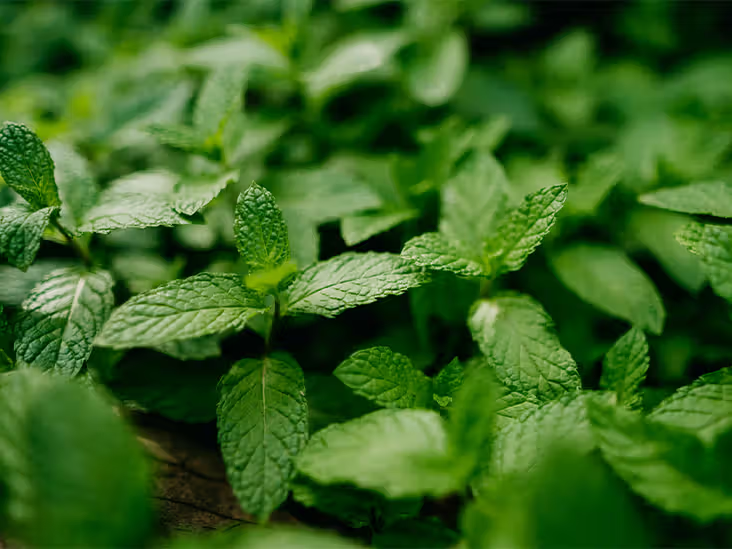
Mint is an incredibly versatile herb with a wide range of health benefits. From aiding digestion to improving skin care, mint has been used for centuries to promote wellness and vitality. But what makes this herb so beneficial? Let’s explore why adding mint to your diet can help you stay healthy!
Nutritional Value of Mint
Mint is a widely used herb which has long been known for its minty aroma and flavor. It’s also incredibly versatile, lending itself to sweet and savory dishes alike. But what many people don’t realize is that it can be beneficial for your health, too! The nutritional value of mint makes it a great addition to any diet.
For one, mint contains antioxidant compounds such as Vitamin A and carotenoids which help protect against free radical damage in the body. Additionally, these antioxidants have anti-inflammatory properties that may reduce pain from arthritis or other inflammatory conditions. And if you suffer from digestive issues like indigestion or gas, drinking some tea with mint leaves could provide relief due to the menthol content found in this herb – it helps relax your muscles so digestion can take place more easily!
Finally, those looking for an immune system boost should consider adding some fresh mint into their diet on a regular basis because of the high amount of vitamin C present in this plant – just 100 grams provides 27% of your daily requirement! Also noteworthy are the minerals zinc and magnesium; both play an important role in keeping our bodies healthy by aiding cell growth & repair while promoting normal organ functioning. Mint also contains fiber which helps keep us feeling full longer after eating meals and prevents constipation by helping move food through our intestines quickly.
Digestive Benefits of Mint
Mint, a member of the Lamiaceae family, is widely used for its health benefits and often consumed as an herbal supplement. Mint has long been utilized in traditional medicines across many cultures, including Ancient Greece and Egypt. In recent years, scientific studies have shown that consuming mint can provide numerous digestive benefits to those who take it regularly.
The most noteworthy benefit of taking mint is its ability to reduce gastrointestinal discomfort like bloating or gas. This occurs because the menthol molecules contained within mint relax the muscles of the intestines which helps alleviate abdominal pain and cramping. Furthermore, these compounds may also help improve bile flow from the gallbladder – possibly improving digestion by breaking down fatty acids more efficiently. Moreover, there are some preliminary studies that suggest that peppermint oil might be useful in treating irritable bowel syndrome (IBS) as well as reducing episodes of nausea after having surgery or undergoing chemotherapy treatments.
In addition to aiding with digestive issues such as IBS or abdominal pain; research indicates that taking mint may help prevent colorectal cancer due to its anti-inflammatory properties and antimicrobial effects on certain bacteria found in our gut microbiome . We know from previous research that inflammation increases one’s risk for developing colorectal cancer so naturally anything we can do combat this would be beneficial! Finally, animal models have indicated a potential link between consuming peppermint tea/oil and reduced levels of cholesterol which could potentially lead to better cardiovascular health over time if taken regularly .
Overall , taking regular doses of either peppermint tea or capsules containing peppermint oil is a great way to enhance your digestion while providing other additional benefits such as reducing inflammation , helping with IBS symptoms , preventing certain cancers , and promoting healthier cholesterol levels !
Respiratory Benefits of Mint
Mint has long been used for medicinal purposes, and its many health benefits are still being discovered. One of the most noteworthy is how it can strengthen your respiratory system. It helps clear congestion, soothe inflammation and provide relief from asthma and bronchitis symptoms.
The key to understanding why mint works lies in the oils that give it its distinctive aroma and flavor. The menthol found in these oils is a natural decongestant; when inhaled or ingested, they can help open up airways by dilating blood vessels in the lungs. This allows more oxygen to flow through them which relieves discomfort caused by stuffy noses, sinus pressure or coughing fits. Additionally, menthol also has anti-inflammatory properties which makes it effective against conditions like allergies and asthma where inflammation plays an important role.
Inhaling mint essential oil directly into the lungs can be especially beneficial for those suffering from sinus infections or other respiratory issues such as Bronchitis or COPD (Chronic Obstructive Pulmonary Disease). Its calming effects help reduce mucous production while soothing irritated membranes in the nose and throat area – both of which are often associated with chronic colds or flu-like illnesses. Additionally, some studies have even suggested that using topical products containing peppermint oil may improve breathing performance during exercise as well as overall lung capacity over time!
Overall, mint provides numerous respiratory benefits due to its naturally occurring menthol content that effectively clears congestion while providing anti-inflammatory properties for symptom relief from common ailments such as asthma or bronchitis symptoms. Inhaling essential oils directly into your lungs – either via steam inhalation methods or topically applied products – provide additional comfort from uncomfortable conditions related to sinus infections, coughs & colds alike! Finally, some research suggests regular usage could even lead to improved breathing performance during physical activities along with increased lung capacity over time – making this herb a great choice for those seeking natural remedies for their health needs!

Skin Care Benefits of Mint
Mint has been used in skin care for generations, with evidence of its use going back to ancient Egypt. The variety and complexity of its properties make it a natural choice for a number of benefits including treating skin conditions, reducing redness and irritation, soothing inflamed skin, cleansing pores, brightening complexion and nourishing dry patches.
One of the main ways mint works on the skin is by providing relief from inflammation due to its cooling effect. When applied topically or taken as an herbal supplement internally, mint helps reduce swelling caused by insect bites as well as acne flare ups. Its antibacterial properties help fight off bacteria that can cause infections while its astringent qualities close up open pores which can lead to breakouts. Mint also contains menthol which acts as an analgesic helping soothe sunburns and other forms of burning sensations on the skin surface.
The antiseptic nature of mint makes it great for deep cleansing oily or combination type skins without stripping away all essential oils thanks to anti-inflammatory components like rosmarinic acid which have calming effects. It’s also great at getting rid of dead cells while still preserving moisture levels in the epidermis making it suitable even for sensitive types prone to redness or itching after using products containing synthetic ingredients or fragrances. Mint is also believed to improve blood circulation which gives your face a brighter looker more youthful feel over time when used regularly in masks or scrubs made specifically with this ingredient in mind
Oral Health Benefits of Mint
Mint is a popular herb known for its refreshing flavor and pleasant aroma. It has been used around the world as an ingredient in candies, teas, and other culinary dishes. But did you know that mint also offers a variety of health benefits? One of these is improved oral hygiene when used regularly for brushing teeth, gargling with mouthwash, or chewing gum containing mint extract.
When it comes to dental care, the menthol content in mint leaves can help freshen breath by reducing bacteria levels that cause bad breath. In fact it has been found to be more effective than many commercial mouthwashes in combating halitosis due to its germ-killing properties. Mint also helps reduce plaque buildup on teeth which can lead to cavities and tooth decay if left unchecked. By scrubbing away any food particles stuck between your teeth or gums with a toothbrush containing mint extract, you can significantly improve your oral health over time without having to use harsh chemicals or abrasives like baking soda.
Finally, chewing sugarless gum or candy containing peppermint oil may help stimulate saliva production which helps neutralize acids produced by bacteria living inside our mouths naturally while providing additional protection against cavities and gingivitis (gum disease). This effect is especially beneficial after meals since eating certain foods will increase acidity levels temporarily until they are reduced through normal salivation processes such as drinking water or eating crunchy vegetables like celery sticks afterwards; adding some extra peppermint oil into the mix will only enhance this process further!
Cognitive Health Benefits of Mint
Mint, a fragrant and flavourful herb, can be beneficial for your cognitive health. Studies have shown that mint has the potential to improve memory recall and strengthen concentration power. Regular consumption of mint can also reduce stress levels and sharpen focus in people with attention deficit hyperactivity disorder (ADHD). Mint is known to contain essential vitamins such as Vitamin A, C, E and B6 which help maintain overall brain health. So next time you’re feeling foggy or struggling with mental fatigue try adding some fresh mint leaves into your meal or beverage – it could just do the trick!