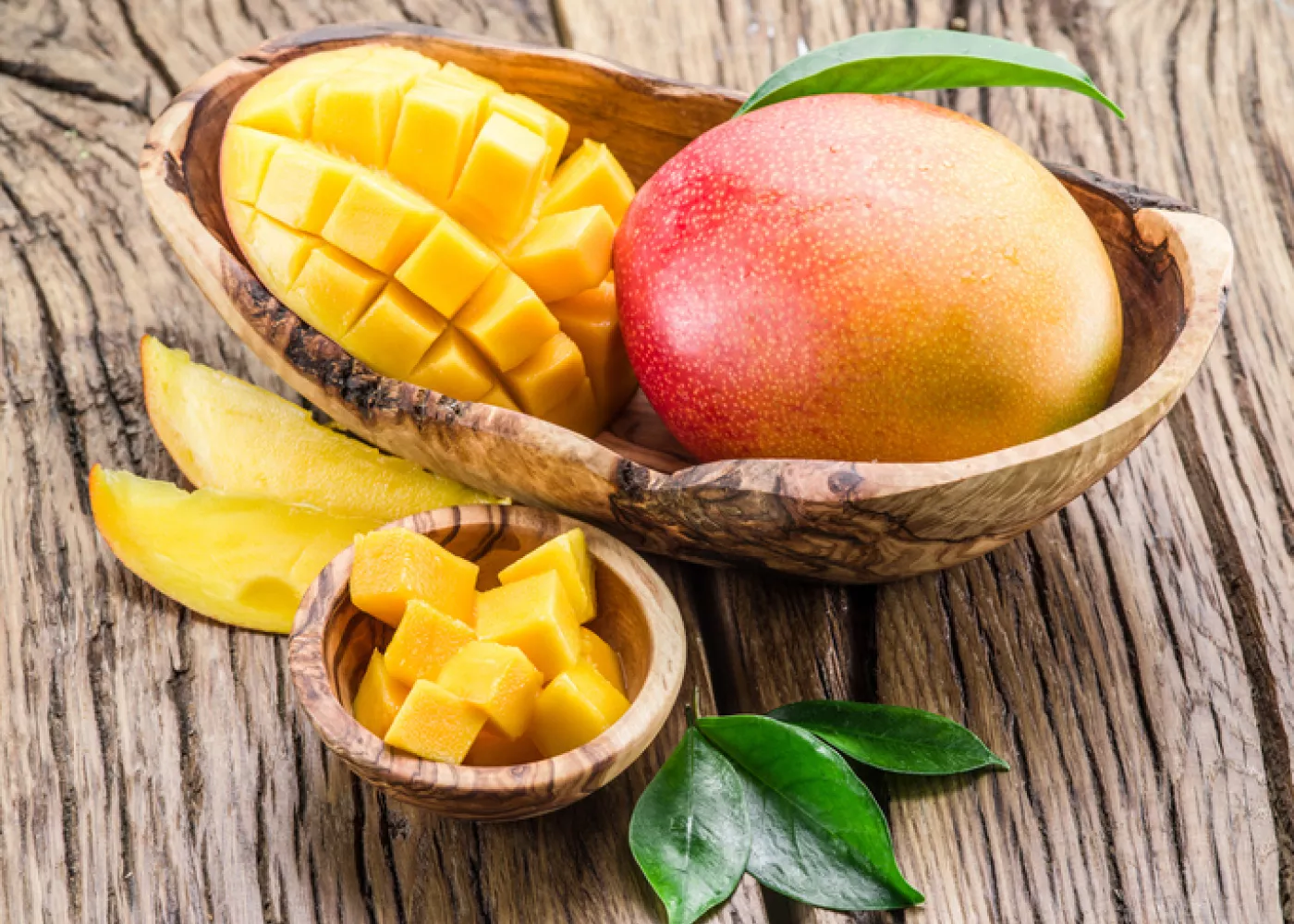
The sweet, succulent and juicy mango is a delicious tropical treat that’s been enjoyed around the world for centuries. From its origins in South Asia, this super fruit has been savored for its vibrant color and delectable flavor – but did you know it’s also good for your health? Rich in antioxidants, vitamins A & C and minerals, mangoes are an excellent addition to any healthy diet. So dive in and enjoy the amazing benefits of this tasty super fruit!
Mango Nutrition
Mangos are a nutritious fruit, packed with vitamins and minerals essential to the human diet. Rich in fiber, they help keep your digestive system healthy while providing key antioxidants that can improve overall health. There is much to appreciate about this flavorful tropical fruit.
The most abundant nutrient found in mangoes is Vitamin C, making up more than one-third of the daily recommended allowance for adults. It helps boost immunity by aiding in collagen production and prevents cell damage from free radicals. Additionally, it aids iron absorption into the body which is important for proper red blood cell formation and oxygen delivery around the body. Mangoes also contain Vitamins A and E as well as B6, ensuring a diverse array of nutritional benefits from each serving of this delicious snack.
In addition to vitamins, mangos provide many minerals such as calcium for strong bones and teeth; potassium for nerve function; magnesium – an energy stabilizer; copper – an anti-inflammatory mineral; manganese – used to form connective tissue; zinc – a key player in wound healing processes; selenium – fighting oxidative stressors on cells throughout the body – along with several other trace minerals essential to bodily functions. Mangoes are also low in fat while providing dietary fiber helping you feel fuller longer between meals or snacks!
Overall, mangos offer a wide variety of nutrients necessary for optimal health including vitamins like C & E plus many beneficial minerals like calcium & magnesium among others all contained within their sweet orange fleshy goodness!
Health Benefits of Mangoes
Mangoes are a delicious, nutrient-packed fruit that can offer remarkable health benefits. From boosting immunity to aiding digestion and even improving the skin, this tropical delight is a true superfood.
The flesh of a mango contains numerous vitamins and minerals, including Vitamin A and C, potassium, magnesium and more. This powerful combination gives it potent antioxidant properties which help protect cells from damage caused by free radicals. The high levels of Vitamin C also helps boost immunity, allowing the body to fight off colds better than before. Further research has indicated that consuming mangoes on a regular basis may reduce the risk of certain types of cancer due to its anti-inflammatory agents and carotenoid content. Mangoes have also been found to contain anti-diabetic compounds which could help regulate blood sugar levels in those with diabetes or pre-diabetes conditions.
Another great benefit associated with eating mangoes is their impact on digestion – they are rich in dietary fiber which promotes gut health by helping move food through the digestive tract quickly without causing any discomfort or bloating symptoms. In addition, many people believe that adding more fresh mangos into your diet can aid weight loss as it’s low on calories but high in essential nutrients such as vitamin B6 and iron; these nutrients work together to maintain healthy metabolic rates while providing energy for physical activity throughout the day without feeling tired or sluggish afterwards! Lastly – if you’re looking for glowing skin – look no further than mangoes! Their richness in antioxidants (alongside other fruits) fights premature aging signs like wrinkles & fine lines while hydrating your entire complexion from within; making sure you stay looking younger longer!
To sum up – there are countless ways eating mangos can be beneficial for one’s overall health & wellbeing; whether it’s reducing inflammation & fighting disease or promoting clearer & healthier skin – this fruity treat should definitely make an appearance at your next meal!
How to Select and Store Mangoes
Mangoes are a sweet and juicy fruit that can easily become an integral part of any diet. Whether you’re adding it to your morning smoothie or enjoying it as is, selecting and storing mangoes correctly will ensure maximum flavor and freshness.
When choosing a ripe mango at the store, look for one with slightly soft skin but without bruises or markings. The color should be mostly yellow-orange, although some varieties may stay green when ripe. Avoid any mangos that give off an unpleasant odor or have signs of mold on their skin. Once you’ve chosen the perfect piece of tropical fruit, bring it home in a breathable container such as brown paper bag so that air circulation prevents excess moisture from collecting around the flesh of the mango and causing rot.
To speed up ripening process place mangos near other fruits like bananas which naturally release ethylene gas—a type of plant hormone—that helps them ripen faster while still retaining their flavor, texture and nutrition content. You can also speed up this process by placing unripe mangos in a bowl covered with newspaper; check every few days until they reach desired readiness level before transferring them to fridge where they will remain good for up to five days if stored properly between 32-41 degrees Fahrenheit (0-5 C). To extend shelf life even further consider freezing pre-cut slices in airtight containers allowing you enjoy sweet taste of summer all year round!
Preparing and Eating Mangoes
The process of preparing and eating a mango requires some skill, as the delicious fruit is quite tricky to break into. But with the right tools and techniques, anyone can enjoy this tropical delight.
To begin, it’s important to select a ripe mango that is fragrant and yields slightly when pressed. One should avoid any soft spots or bruises on the skin which could indicate a bad piece of fruit underneath the surface. Once you’ve selected your perfect specimen, wash it off before cutting since there may be dirt or residue from earlier handling still present on its fleshy exterior.
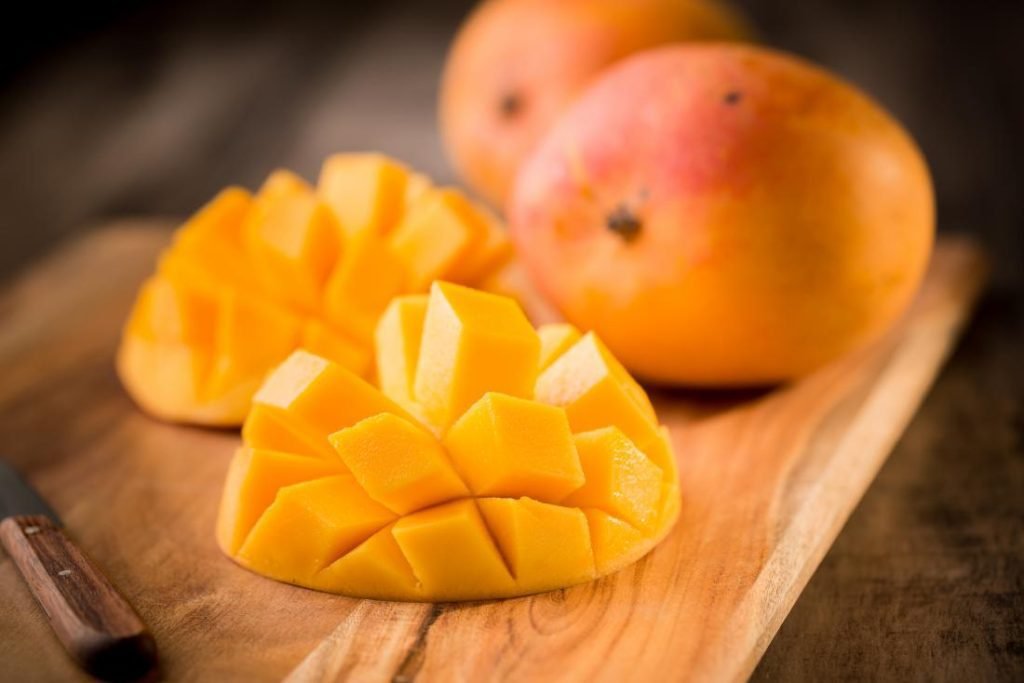
When slicing up a mango for eating or cooking purposes, there are several methods one can use: firstly, if one seeks individual sections of fruit they can cut around each side lengthwise; secondly, if cubes are desired then make criss-cross cuts in the entire surface area before peeling back the skin; thirdly – for those who wish to mash up their mangoes – simply score along each section without completely cutting through and press down gently so that all segments come away at once in an easy-to-mash format. Whatever method is chosen should be done carefully as mangos contain large seeds which need to be removed prior to consuming by taking out any pieces containing them during preparation time.
Once prepared correctly, mangos provide endless possibilities for creative recipes ranging from sweet desserts such as pies and cakes to savory dishes like salads or curries – whatever suits your palette! All that’s left now is just sit back and enjoy this exotic treat however you choose!
Creative Ways to Use Mango in Recipes
Mangoes are a juicy and delicious fruit that can be used in many different recipes. It is often eaten raw, with its sweet flavor making it the perfect addition to desserts or smoothies. But there are also some creative ways to use mangoes in recipes that will add an amazing burst of flavor and sweetness to any dish you make.
One way you can enjoy mangoes is by turning them into chutney. This condiment is made from freshly chopped mangos mixed with fragrant spices like cumin, coriander, garlic, ginger and chilli powder for a kick of heat. You can serve this as an accompaniment to curries or even sandwiches for a unique twist on traditional flavors. To make the best chutney possible, let your diced mango pieces simmer with the other ingredients until they become soft enough for blending into a paste-like consistency – then top off your dish with some crunchy roasted nuts if desired!
Another great way to incorporate mangos into meals is in salsas. Salsa is usually thought of as being tomato-based but why not try something new? Simply mix ripe mangos together with tomatoes, onions, bell peppers and jalapeños before adding fresh herbs like coriander and oregano along with lime juice or vinegar – depending on how tangy you’d like it – for an amazing zesty salsa that pairs perfectly well with tacos or burritos! If desired you could also give your salsa some extra sweetness by drizzling over honey just before serving too.
Lastly, don’t forget about using mangos in salads! They bring beautiful color and texture plus their natural sweetness complements savory components such as feta cheese very nicely indeed. For example; combine cubed avocado slices together with diced Mangoes (seeds removed), crumbled feta cheese chunks plus thinly sliced red onion all tossed up in simple vinaigrette dressing – garnish everything off at the end by sprinkling over some finely chopped parsley leaves if desired too!
Growing Your Own Mango Trees at Home
Growing your own mango tree at home can be a rewarding experience. Trees are relatively easy to grow and care for, provided you have the right environment and climate. The most important thing is that they need plenty of warmth, light, and water in order to thrive. You will also want to ensure the soil is rich with nutrients in order for your mango tree’s roots to absorb them properly. With some patience and knowledge, you can easily grow a beautiful and fruitful mango tree from the comfort of your home!
Mango Tips for Cooking & Enjoying
Mangoes are an incredibly versatile fruit that can be enjoyed in a variety of ways. Whether you’re looking to add them to a savory dish, use them to make a sweet dessert, or just enjoy the unique flavor on its own as part of your regular diet; mangoes offer something for everyone. Here are some tips and tricks when it comes to cooking with and enjoying mangoes:
When selecting mangos at the grocery store or farmers market, look for ones that have an even yellow-orange color without any green spots. The skin should also feel slightly soft but not mushy; this indicates that it is ripe and ready to eat! If a mango feels overly hard, then leave it out on the countertop until it ripens up before using. Additionally, if you find yourself overwhelmed by all of the different varieties available (such as Ataulfo vs Kent), don’t worry too much – they all tend to taste similar so pick whichever one looks best!
Once you get your mango home, there are many delicious ways that you can incorporate it into meals. For example, try cutting up pieces of fresh mango and adding them into salads or salsas – their sweetness will perfectly balance out any spicy or salty flavors from other ingredients in the dish. Another great way is blending chunks of frozen mango into smoothies – this helps create a creamy texture while adding natural sweetness at the same time! Lastly, if you want something more indulgent yet still healthy; try making homemade ice cream using pureed mangos as one of your base ingredients – absolutely delicious!
Finally when eating fresh mangos on their own; simply slice off each side down around the pit until only two small “cheeks” remain (which contain minimal amounts of flesh). Use either your fingers or spoon scoop out these cheeks directly onto plates/bowls – no peeling required! Enjoying mangos like this allows you appreciate their unique flavor profile while taking advantage of all those essential vitamins & minerals packed inside every bite.
No matter how they’re prepared though; always remember to include some type of fat source such as coconut oil/butter/nuts etc alongside since this helps increase absorption rates for those important nutrients found within mangos!