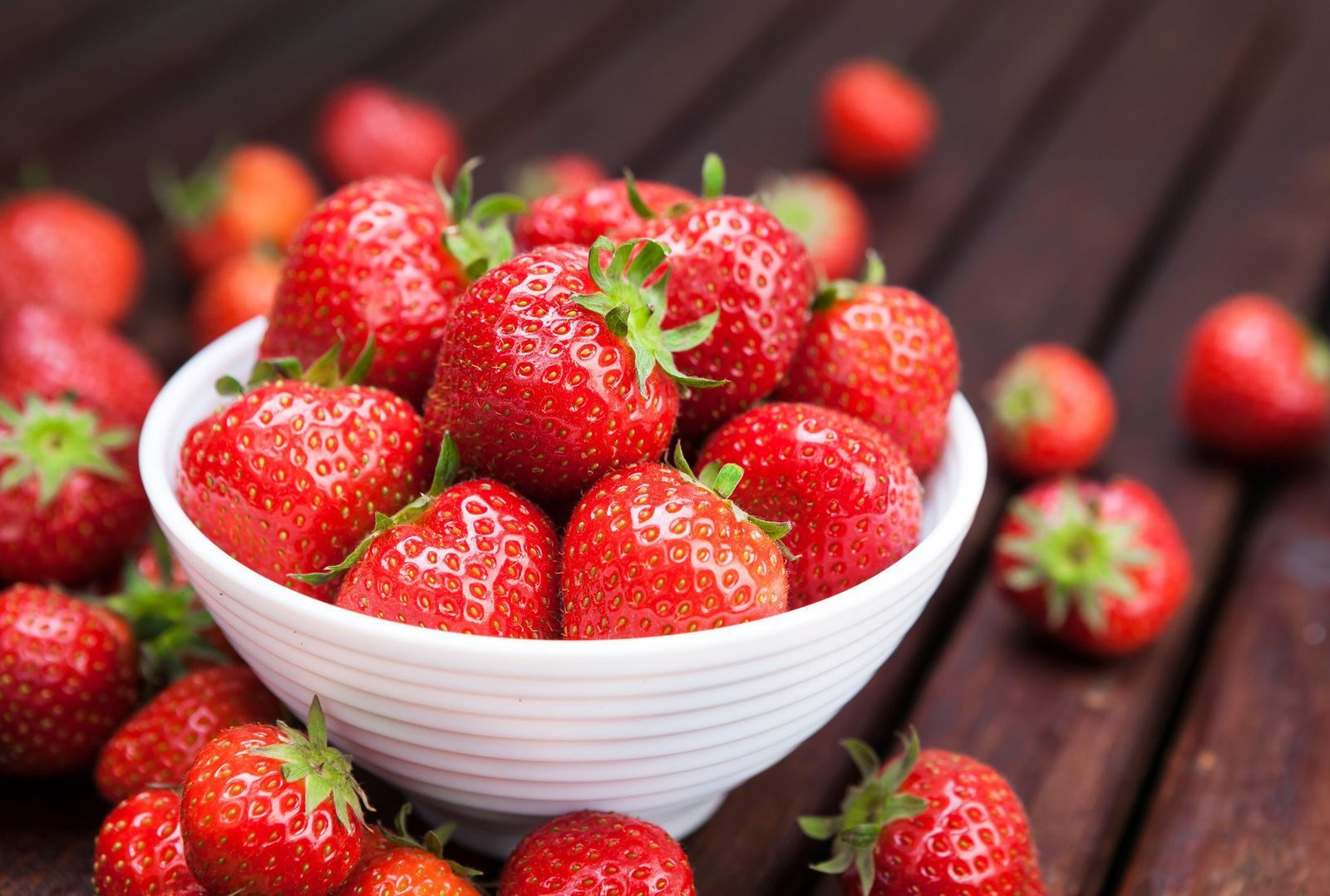
Do you love the taste of freshly picked strawberries? Have you ever wanted to learn how to grow your own succulent and sweet-tasting berries right at home? Now, with this helpful guide, you can! In just a few steps, you’ll be able to not only cultivate these delicious fruits but also understand all about harvesting and eating them. Whether it’s for a summertime snack or an addition to a special occasion meal, this guide will show you just how easy it is to bring the sweetness of fresh strawberries into your life.
Soil Preparation for Strawberries
Soil preparation for strawberry planting is an essential step in creating a successful garden. It provides the ideal growing environment, which will ensure that your strawberry plants remain healthy and yield abundant fruits season after season. The first step to soil preparation is selecting the right type of soil. Strawberries prefer a well-draining loamy soil with plenty of organic matter such as compost or manure mixed in to improve fertility and texture.
Once you have selected the right type of soil, it’s time to prepare it for planting strawberries. This involves digging out any weeds and grasses from the area where you plan to grow your strawberries; removing stones, sticks, and other debris; leveling off the surface; adding organic material like compost or aged manure if needed; tilling or spading the ground down about 6-8 inches deep; mixing some fertilizer into the topsoil layer; raking until its smooth and even; then finally watering thoroughly before planting.
Finally, there are several important things that should be done prior to planting day when preparing your soil for strawberries: make sure no herbicides were used on your land recently as chemicals can linger in soils even months later and harm delicate strawberry roots upon contact; check drainage by pouring water over various places within your plot – standing water indicates poor drainage which could lead to root rot issues later on so this needs addressing beforehand through improving drainage channels if necessary ; adjust soils pH level using lime or sulfur depending on whether alkaline/acidic adjustment is required (ideally 6-7); add phosphorus fertilizer at 0.5lbs per 100 sq ft prior to planting as well – phosphorus helps promote better fruit production while also helping establish strong healthy root systems early on in their development stages . All these steps are critical when preparing your site for growing delicious sweet strawberries!
Choosing the Right Variety of Strawberries
When it comes to selecting strawberries for either eating or cooking, there is no shortage of varieties available. Each type of strawberry has its own unique characteristics that make it suitable for certain uses over others. Here are a few tips and considerations to help determine which variety of strawberry would be the best option depending on what you’re looking for.
If the goal is to find sweet, juicy berries good enough to eat right off the vine then look no further than June-bearing strawberries. These large, bright red fruits have a high sugar content and are perfect for fresh consumption or adding into your favorite dishes as an accent flavor. For this variety, soil health should be taken into account when planting as well as ideal sun exposure in order to get the most out of these delicious treats.
On the other hand if you’re looking specifically for baking purposes then day-neutral strawberries might be more up your alley. Their smaller size means they can easily fit into cakes and pies without detracting from overall presentation while still providing plenty of sweetness and flavor with their thicker skin allowing them better protection during baking processes compared to other varieties like June-bearers that tend to break down faster due to their thinner skins . It is important however when choosing day neutrals that careful attention should be paid towards where they were grown since some regions may produce fruit with acidic aftertastes leading them unsuitable from baking applications even though they may appear visually appealing at first glance.
Finally alpine or wild strawberries provide something different entirely; small yet intensely flavored fruits packed full of fragrance making them ideal candidates for jams and jellies but also smoothies , sauces , muffins , syrups , salads – really anything you desire! Plus because these plants require less maintenance than regular garden grown varieties they can often times provide larger yields per plant meaning more fruit in less time! Just remember though when harvesting this type of berry extra caution must be used due their fragile nature so handle carefully so not too many get harmed during picking process .
In conclusion there are quite a few types of strawberries each one having its own unique properties offering endless possibilities in terms culinary creations regardless if you’re just enjoying them straight off tree or mixing into tasty dishes; so take all factors such taste requirements size needs weather conditions etcetera into consideration before deciding on which kind ultimately works best whatever project happens facing .
Planting Your Strawberries
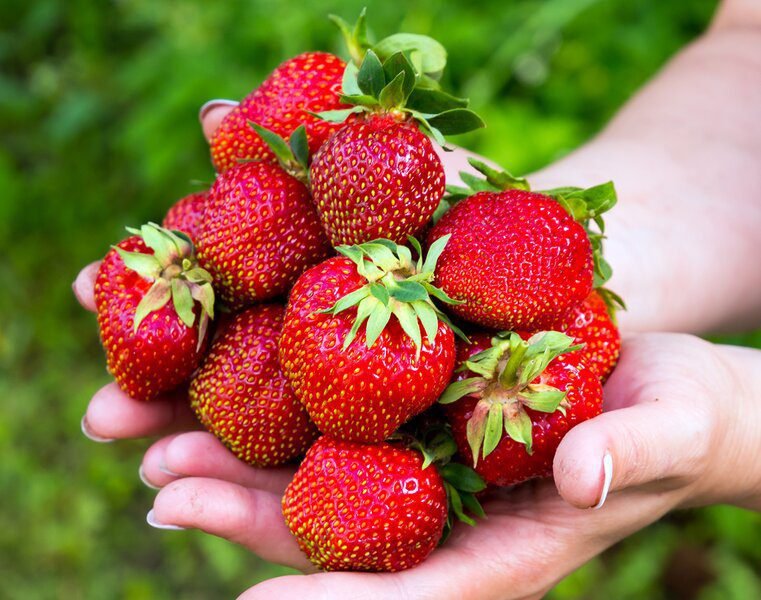
Strawberry cultivation is a rewarding and enjoyable experience that can provide you with a steady supply of juicy, succulent fruits all summer long. Whether you’re growing your strawberries in the ground or in containers, there are some essential steps to follow when planting them to ensure they thrive and produce an abundant harvest.
The first step is choosing the right variety for your climate. Strawberries come in several different types including June-bearing, everbearing, day-neutral varieties and alpine strawberry varieties. Most gardeners will grow either June bearing or everbearing varieties since these tend to be more reliable producers than day-neutral types which require more maintenance and have shorter fruiting seasons. Make sure you choose a variety that’s suited for your area so it has plenty of time to mature before the end of the season.
Next, select healthy plants from reputable nurseries or garden stores as this will give your crop its best chance at success. Once you have chosen healthy plants be sure not to plant them immediately; instead keep them in their pots until ready for transplanting into the ground or container where they can get direct sunlight at least 6 hours per day during springtime when temperatures remain above 50 degrees Fahrenheit (10°C). Avoid overcrowding when planting by leaving enough space between each plant – optimum spacing ranges depending on the type but typically should leave 18 inches (45 cm) between each one giving ample room for air circulation around foliage while also allowing good access when harvesting later on.
Finally prepare raised beds if necessary – strawberry roots don’t like wet feet so aim for well-drained soil amended with compost as much as possible which also helps improve yield potential over time due to increased nutrient content found within organic matter such as worms and bacteria present within compost piles . Water regularly afterwards however make sure not water too frequently otherwise risk drowning delicate roots – once every few days should suffice unless experiencing dry spells then increase frequency accordingly but always check moisture levels prior soaking especially if dealing with clay soils since these retain large amounts of water easily leading quickly towards root rot issues if left unchecked .
Storage and Preservation of Berries
Preserving and storing berries is a great way to enjoy the taste of summer all year round. Berries are delicate fruits and require extra care when it comes to storage, so they can be enjoyed in their peak flavor even after picking them.
To begin with, fresh-picked berries should always be stored in the refrigerator as soon as possible. In order to keep them from spoiling quickly, place them into an airtight container or baggie that allows for some ventilation but prevents any moisture or oxygen from entering. Be sure not to wash the berries before storing them; this will only cause mold growth quicker due to dampness on the skin. For longer-term storage, you can freeze your berries by spreading them out onto a baking sheet lined with parchment paper and freezing until solid (about two hours). Once frozen, transfer your berries into an airtight freezer bag or container which will help maintain their flavor and texture for up to 12 months!
For those looking for more than just cold storage options, there are several ways you can preserve your berry bounty for future use! Canning is a popular method of preserving food that has been around since ancient times – it involves packing jars with foods such as fruits and vegetables then heating/cooking said items over boiling water baths until sealed shut. This creates shelf stable products that have an extended lifespan compared to refrigerated items – usually lasting 1-2 years if done correctly! If you don’t want to take on full-blown canning projects consider making jams or jellies out of your favorite fruits instead; these items also last quite long if made using proper recipes/procedures. You could also dry out certain varieties such as raspberries (in dehydrators) or blueberries (on trays inside ovens set at low temperatures) which create small snacks perfect for munching away at during hikes & camping trips alike!
Health Benefits of Eating Strawberries
Strawberries are a delicious and nutritious treat enjoyed by people of all ages. Not only do they taste wonderful, but they can also offer some amazing health benefits! Eating strawberries regularly has been linked to improved cardiovascular health, stronger immunity, increased cognitive functioning, and better digestive processes.
Starting with the heart -eating strawberries helps protect against the development of arterial plaque buildup which leads to major heart problems like stroke and coronary artery disease. This is due to their high content of antioxidants such as vitamin C, quercetin, kaempferol, ellagic acid and anthocyanins that help reduce inflammation in the body. These compounds also work together to keep your blood vessels healthy and strong so that your blood pressure stays at an optimal level for good cardiovascular function.
Strawberries are full of powerful immune system boosters such as vitamins A & E which support white blood cells in protecting against infection from bacteria or viruses while also helping our bodies recover faster when we’re sick. The antioxidant properties present in strawberries also make them great for fighting off free radicals that can cause cell damage over time leading to chronic illnesses if left unchecked. As an added bonus – studies have shown that eating a serving of fresh or frozen strawberries on a regular basis may even improve your mood naturally!
Digestion is another area where these little red fruits shine bright- consuming them regularly can help regulate digestion thanks to its dietary fiber content which adds bulk to stool making it easier for food waste products move through our intestines without any trouble or discomfort. Plus- because strawberries are low in calories yet still packed with essential nutrients like B vitamins this makes them ideal for weight management without sacrificing nutrition along the way! Last but not least – research suggests that adding more berries into your diet may even boost cognitive performance due to their abundance of polyphenols; natural plant compounds believed aid memory recall skills and alertness levels too!