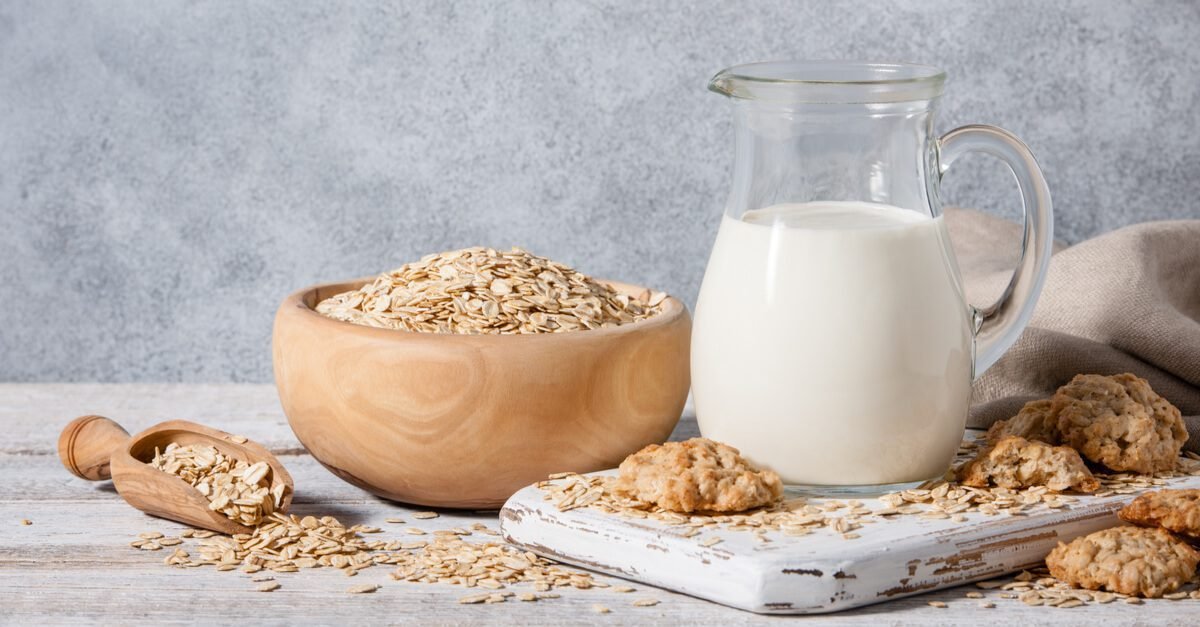
Are you looking for a dairy-free alternative to traditional milk? Oat milk is quickly becoming one of the most popular non-dairy options. Not only does it have a creamy texture and nutty flavor, but oat milk also has numerous health benefits that make it an ideal choice for those looking to improve their diet. In this article, we’ll discuss everything you need to know about oat milk nutrition, its potential benefits, and how to use it in recipes. So let’s dive in!
Nutrition Information of Oat Milk
Oat milk is a popular choice for many looking to find an alternative to cows’ milk. It has become increasingly trendy in recent years, and it’s no wonder why – it’s extremely versatile and can be used as a base for smoothies, coffee creamer, or even poured over your favorite cereal. But just how healthy is oat milk?
Nutritionally speaking, oat milk does have some benefits when compared to dairy alternatives such as almond or soy. In one cup of the unsweetened version of oat milk you will get 120 calories and 2g of protein which is significantly more than almond or soy but still lower than cow’s milk. It also contains higher amounts of fiber (2g) than either almond or soymilk and no cholesterol unlike cows’milk which contains around 24mg per cup. Oats are a good source of calcium providing you with 20% of your daily needs in every cup – much higher than other plant-based milks like rice.
In terms of vitamins and minerals, oats provide vitamin A, B6 & 12 along with zinc , iron & phosphorus at levels comparable to cow’s milk . Keep in mind that these nutrients may vary depending on the brand you buy since some products contain added vitamins and minerals not naturally occurring in oats! This could be beneficial if you need extra nutrition from your diet but should always be checked before purchasing any product containing them so that you know exactly what kind of nutrient content it has. Lastly there are small traces omega 3 fatty acids found within oats which help contribute towards reducing inflammation throughout our body making this an ideal drink for those who suffer from chronic pain conditions such as arthritis or fibromyalgia!
Health Benefits of Oat Milk
Oat milk is a delicious, dairy-free alternative to traditional cow’s milk that has become increasingly popular over the past few years. In addition to its pleasant flavor and creamy texture, oat milk also offers numerous health benefits for those who choose it as part of a balanced diet.
The nutritional content of oat milk is highly beneficial; each cup contains high levels of fiber, protein, vitamins A & D, and calcium. It contains no cholesterol or saturated fat like cow’s milk does. Oats are naturally gluten free so oat milk is suitable for anyone following a gluten free lifestyle. Additionally, many brands used fortified ingredients such as vitamin B12 which helps support healthy bones and teeth while encouraging red blood cell production in the body – something vegans may find particularly helpful in their diets due to the lack of animal products they consume.
For those with dietary restrictions or allergies related to lactose intolerance or other food sensitivities/allergies this can be an ideal drink choice since it does not contain any common allergens like soy or nuts but still provides essential nutrients for overall healthful eating habits. Not only does consuming oat milk have advantages nutritionally speaking but it also has environmental implications too! Oats require far less water than cows do during their production period making them a much more sustainable option when considering ways we can reduce our ecological footprint on earth – plus there are fewer emissions associated with oats compared to those released from dairy farms meaning you can feel good about drinking it too!
Using Oat Milk in Recipes
Oat milk is a delicious and vegan-friendly alternative to dairy, making it a great choice for vegetarian or lactose intolerant individuals. It’s also incredibly versatile – not only can it be enjoyed on its own as an alternative to cow’s milk, but oat milk can also be used in recipes just like any other kind of liquid. Whether you’re baking desserts or whipping up savory dishes, the creamy texture of oat milk will add flavor and richness to your meal.
Baked goods are one common way that people use oat milk in their cooking. Oats are naturally sweet and flavorful, so adding them into cakes or muffins provides natural sweetness without having to add extra sugar. Additionally, because oats contain fiber they help create a moist crumb that makes baked goods even more enjoyable! The neutral taste of oatmilk blends nicely with spices like cinnamon or nutmeg too – perfect for creating cozy fall treats! For those who don’t have time (or the energy!) for baking from scratch, boxed mixes often list oatmilk as an acceptable substitute when preparing items such as pancakes or brownies.
When using oatmeal in savory dishes like soups and sauces it’s important to remember that its thickness might require some adjustments while cooking; if no other liquids are added then consider reducing the amount of stock included by 1/4th cup (60 mL). This helps prevent overly thick sauces from forming which could make meals harder to enjoy. Furthermore, since adding salt always enhances flavors try experimenting with different types; smoked sea salts can provide smoky undertones while pink Himalayan offers subtle mineral notes! Finally feel free to play around with herbs: garlic powder works especially well when simmering stews while dill adds brightness during cream based soups – both excellent choices for rounding out any dish made with oats!
Advantages and Disadvantages of Oat Milk Compared to Other Non-Dairy Alternatives
It’s no secret that the number of people opting for non-dairy alternatives to traditional cow’s milk is on the rise. This has led to an explosion of new products in this area, many of which are made from plant-based sources such as almonds, coconuts and oats. Oat milk in particular is becoming increasingly popular due to its creamy texture and subtle flavour profile, making it a great alternative for those who don’t like the taste or texture of other dairy substitutes. But what exactly are the advantages and disadvantages of oat milk when compared with other non-dairy options?
One advantage that oat milk offers over some other types of non-dairy milks is its nutritional content. It contains more protein than almond or coconut milk, as well as a higher amount of fibre – something that can be beneficial for digestive health. Additionally, it also provides essential minerals such as magnesium and iron – both important nutrients for overall health. Furthermore, studies have shown that oat milk may also have cholesterol lowering benefits due to its high levels of beta glucan – a type of soluble fibre found naturally occurring in oats which has been linked with decreased cholesterol levels in humans.
Although oat milk does offer some advantages over other types of non-dairy milks nutritionally speaking there are a few drawbacks worth considering too. The main one being its environmental footprint; reports suggest that producing one litre uses up around 11 times more water than producing an equivalent amount using soybeans or almonds! Additionally, because much like cow’s milk it must be refrigerated at all times this increases energy consumption during transport & storage – another factor worth bearing in mind if you want your choice to be eco friendly! Finally cost wise too it can work out slightly pricier than some competitors so bear this in mind when shopping too .
Overall then there are both pros & cons associated with choosing oat based milks compared with others available on the market these days but hopefully by weighing up their relative merits you should now feel better informed about whether they will fit into your lifestyle or not!
Tips for Choosing the Best Quality Oat Milk
Oat milk is one of the most popular dairy-free alternatives to cow’s milk, and its popularity continues to grow. Whether you are vegan or lactose-intolerant, oat milk can be a great option for your daily cup of coffee or bowl of cereal. With so many brands on the market, it can be hard to decide which ones are worth your money. Here are some tips for choosing the best quality oat milk:
First and foremost, check that your brand contains only natural ingredients; there should be no added sugar or artificial preservatives listed in the ingredients list. Also look out for traces of gluten if you have an allergy – some brands contain small amounts as oats are naturally glutenous grains. Additionally, make sure that any added vitamins and minerals come from natural sources like fruits and vegetables rather than synthetic additives.
Consider how much extra work goes into producing the product too; organic certified oats require more resources but may provide higher nutritional value due to their careful cultivation process. Be aware that not all oat milks have been made with equal care – cheaper products often use poorer grade oats with more impurities like mold spores which could cause health problems in sensitive individuals over time. Don’t forget about sustainability either; try to find a company who places emphasis on reducing waste by using reusable packaging such as glass bottles instead of plastic cartons whenever possible!
Last but not least, consider what type of flavor you prefer when selecting an oat milk beverage. Some brands focus heavily on taste while others prioritize nutrition content – choose whichever suits your needs best! Unsweetened varieties tend to offer fewer calories so they may be preferred by those watching their weight whereas flavored options add a touch of sweetness without compromising healthfulness too much depending upon individual preferences . All things considered , these points should help guide you towards making an informed decision when shopping around for high quality plant-based milks such as oat milk .
How to Make Your Own Homemade Oat Milk
Making your own homemade oat milk is surprisingly easy and economical. All you need are some rolled oats, a strainer or cheesecloth, and water! Soak the oats in cold water overnight to soften them up. Then blend the softened oats with four times their volume of fresh water in a blender until they form a smooth liquid. Finally, strain out any remaining bits through either a cheesecloth or fine mesh strainer into an airtight container such as glass mason jars. And there you have it—homemade oat milk ready for use!