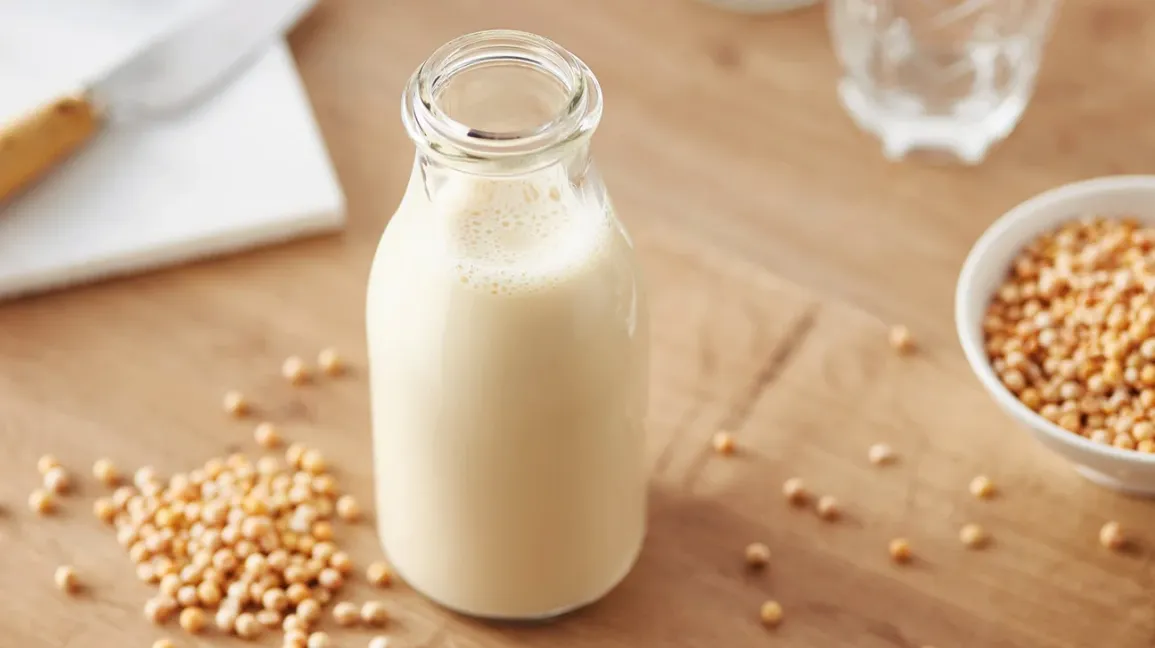
Are you looking for a healthier alternative to dairy milk? Soy milk has been gaining popularity in recent years and has become a viable option for those seeking something more nutritious. Not only is soy milk better for your health, it also offers several other benefits that can improve the quality of your life. In this article, we’ll explore why soy milk might be the right choice for you.
Health Benefits of Soy Milk
Soy milk is the latest alternative to cow’s milk, and for those who avoid dairy products due to health reasons it may be a welcome change. It has some nutritional benefits that make it an attractive option for many people looking to improve their diet. For example, soy milk contains more protein than regular cow’s milk – about 8 grams per cup – which can help build muscle mass and promote better overall health. Additionally, soy milk is naturally lower in saturated fat than cow’s milk and also provides calcium, vitamins A & D, potassium, magnesium and iron.
Unlike regular dairy-based milks such as whole or 2%, soy milks are typically made without animal products so they provide an excellent plant-based source of nutrition with no cholesterol or lactose intolerance issues associated with drinking traditional dairy products. Soymilk also contains phytoestrogen compounds called “isoflavones” which have been linked to numerous potential health benefits including reducing the risk of heart disease by lowering bad cholesterol levels in the body as well as providing relief from menopausal symptoms like hot flashes. Additionally evidence suggests that consuming moderate amounts of phytoestrogens could also reduce risks of certain types of cancer such as breast cancer.
Overall soymilk provides a strong case for its inclusion in any healthy diet plan given its natural high content of protein and beneficial nutrients along with the added bonus features like being free from cholesterol or lactose based intolerances common among many individuals today who choose not to drink conventional cows’ milks varieties anymore due to personal preference or dietary restrictions/allergies etc.. Further research into this area will likely uncover even more hidden health benefits over time making it an increasingly attractive choice when deciding on what type of non-dairy beverage you should opt for!
Nutritional Value of Soy Milk
Soy milk is a popular choice among those looking to reduce their dairy consumption. Not only does soy milk taste great and have a creamy texture, but it also provides many nutritional benefits as well.
When compared to cow’s milk, soy milk has significantly more protein content per serving – making it an excellent alternative for vegans or those who are lactose-intolerant. One cup of unsweetened soy milk contains 6 g of protein – double the amount found in typical cow’s milk! Additionally, this plant-based beverage is much lower in saturated fat than its animal counterpart; providing both heart-healthy fats and dietary fiber. Soy milk can also provide individuals with essential minerals like iron, calcium and magnesium; helping to support strong bones and teeth while aiding in muscle contraction.
Soybeans used for producing soy milks are often fortified with important vitamins such as vitamin A, D2 & B12 which people tend to miss out on when following a vegan lifestyle. Furthermore, the presence of antioxidants helps protect cells from damage caused by free radicals; reducing inflammation throughout the body while promoting healthy skin cell turnover rates. All these features make soy one of the best non-dairy sources available today!
Environmental Impact of Soy Milk
The environmental impact of soy milk is an important topic to consider, as it plays a significant role in the global food system. Soy milk has become increasingly popular over the past few decades, particularly with those looking for alternative sources of nutrition or suffering from dairy allergies. The production process of soy milk is not without its drawbacks however, and understanding these can help us make more conscious choices when it comes to our food consumption.
When considering the environmental impact of soy milk, one must look at both the resources used to produce it and any pollutants released during its production. To produce 1 kg (2¼ lbs) of soybeans requires about 1560 liters (412 gallons) of water – that’s almost half a ton! That’s also why growing crops like this requires large amounts of land – 10 acres are necessary for producing just 1 metric tonne (1 US ton)of beans each year. This means that considerable space needs to be dedicated solely for growing beans if demand increases significantly; otherwise we might run into issues with sustainability due to soil erosion or loss of biodiversity caused by mono-cropping practices. In addition, there are some potential pollutants associated with farming activities: fertilizers may contain heavy metals which could seep into rivers and streams nearby; pesticides may also get washed away in rainwater causing harm downstream; and diesel exhaust from tractors could release nitrous oxide into the atmosphere contributing towards air pollution.
Once harvested, soybeans must undergo processing before they can be turned into packaged goods such as soymilk cartons or tofu blocks which then need packaging themselves – all requiring energy inputs including electricity, fuel and heat generation processes which will have their own set impacts on climate change depending on where they source their power from e.g nuclear vs solar etc.. Lastly once produced many products made out of soybeans tend not to biodegrade easily because they’re designed for shelf life meaning unless properly disposed off most end up either burnt releasing greenhouse gases like carbon dioxide CO2or landfill leaching toxins dangerous chemicals . Making sure you buy organic certified brands helps reduce overall chemical use but still doesn’t eliminate waste altogether since there’s always going to be packaging involved here too at least until companies come up with alternatives like compostable sachets etc..
Clearly sustainable production methods should be adopted wherever possible if we want our planet remain healthy while being able meet consumer demand too – no easy task! But even then consumers should think twice before purchasing certain products based on how much natural resources were used making them especially when other options exist i .e switching cow’s cheese almond nut butter instead having minimal footprint compared factory farmed cows emitting methane gas through burps farts adding atmospheric warming rates already high levels
Pros and Cons of Soy Milk
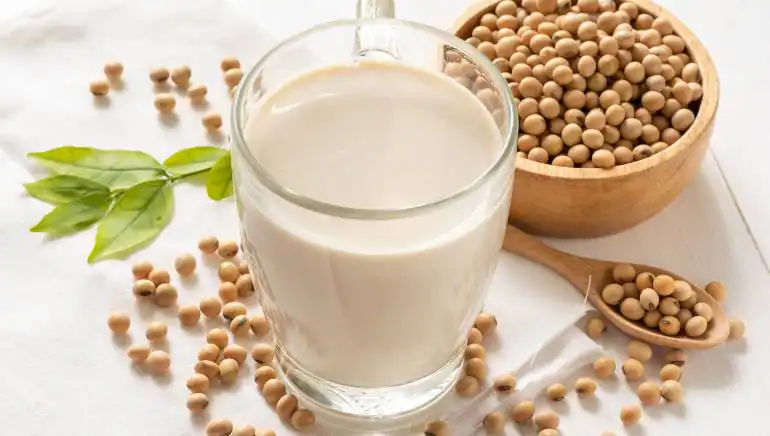
Soy milk has become a popular alternative to cow’s milk, with many people opting for it due to its vegan status and potential health benefits. However, like any food product, there are both advantages and disadvantages associated with soy milk that should be taken into consideration.
One of the biggest pros of soy milk is its nutritional value. While not identical to that of cow’s milk, soy milk still contains an array of vitamins and minerals such as calcium and Vitamin A which can help maintain healthy bones and teeth as well as support eye health. Soymilk also offers protein without the fat content found in dairy products making it suitable for those who want to watch their calorie intake or adhere to a vegetarian lifestyle. Furthermore, some studies have suggested that consuming soy may reduce cholesterol levels when compared with other foods.
On the other hand however, there are some drawbacks associated with drinking too much soy milk including possible thyroid issues or impaired bone mineral density in women over 50 years old if consumed regularly in large amounts over time. Additionally, while naturally free from lactose – a sugar found in cow’s milk – many brands add extra sugars during processing so always check labels before purchasing if you’re watching your sugar consumption. Some people may also find that their bodies don’t agree with regular consumption of this type of drink; leading them to experience symptoms such as nausea or bloating after ingesting even moderate amounts due to the presence of phytic acid which can interfere with digestion processes within the body .
In conclusion then, while there are numerous pros associated with drinking soy-milk such as added nutrients and protein without high fat content; it is important to consider all aspects before incorporating it into your diet on a regular basis – taking into account factors such as age , dietary requirements , underlying medical conditions etcetera – so you can make an informed decision about whether this particular beverage will work best for you..
Types of Soy Milk
Soy milk has become an increasingly popular alternative to dairy milk in the last few years. It is a plant-based beverage made from soybeans and comes in many different varieties, depending on which type of bean it is made with. The most common types are regular, light or reduced fat, sweetened and unsweetened.
Regular soy milk has the same amount of calories as cow’s milk but contains more protein than other non-dairy milks like almond or coconut. It also contains healthy fats that can help lower cholesterol levels and keep blood sugar stable for longer periods of time. Regular soy drinks come fortified with calcium and vitamins A & D to make them nutritionally comparable to animal sources of dairy products like cows’ milk.
Light or Reduced Fat Soy Milk is a great option for those looking to cut down on their saturated fat intake while still enjoying all the benefits of traditional soy beverages. This version usually includes only half the fat content compared to regular versions but still delivers all the essential nutrients associated with this drink such as Vitamin B12, iron, magnesium and zinc among others. Most brands also fortify their light versions with extra calcium so they are just as good for your bones as regular varieties.
Sweetened Soy Milk offers a sweeter taste than its original counterpart without compromising nutrition facts too much – usually containing around 10g less sugar per serving compared to regular variants – making it a healthier choice when trying out new flavour some alternatives to animal-sourced milks. For those who prefer their drinks slightly sweeter but don’t want added sugars there are some options available which use natural ingredients such as dates or agave syrup instead providing both flavourful sweetness plus additional health benefits thanks to these nutrient-rich ingredients used in some cases instead white refined cane sugar found in most standard sweetened varieties
Flavors of Soy Milk Available
There are a wide variety of soy milk flavors to choose from today. A few popular options include Vanilla, Chocolate, and original which is simply the traditional flavor. You can also find other interesting blends such as Almond or Coconut, as well as seasonal favorites like Pumpkin Spice or Peppermint Mocha during certain times of the year. Soy milk has come a long way in terms of taste and texture, so anyone looking for an alternative to dairy should definitely give it a try!