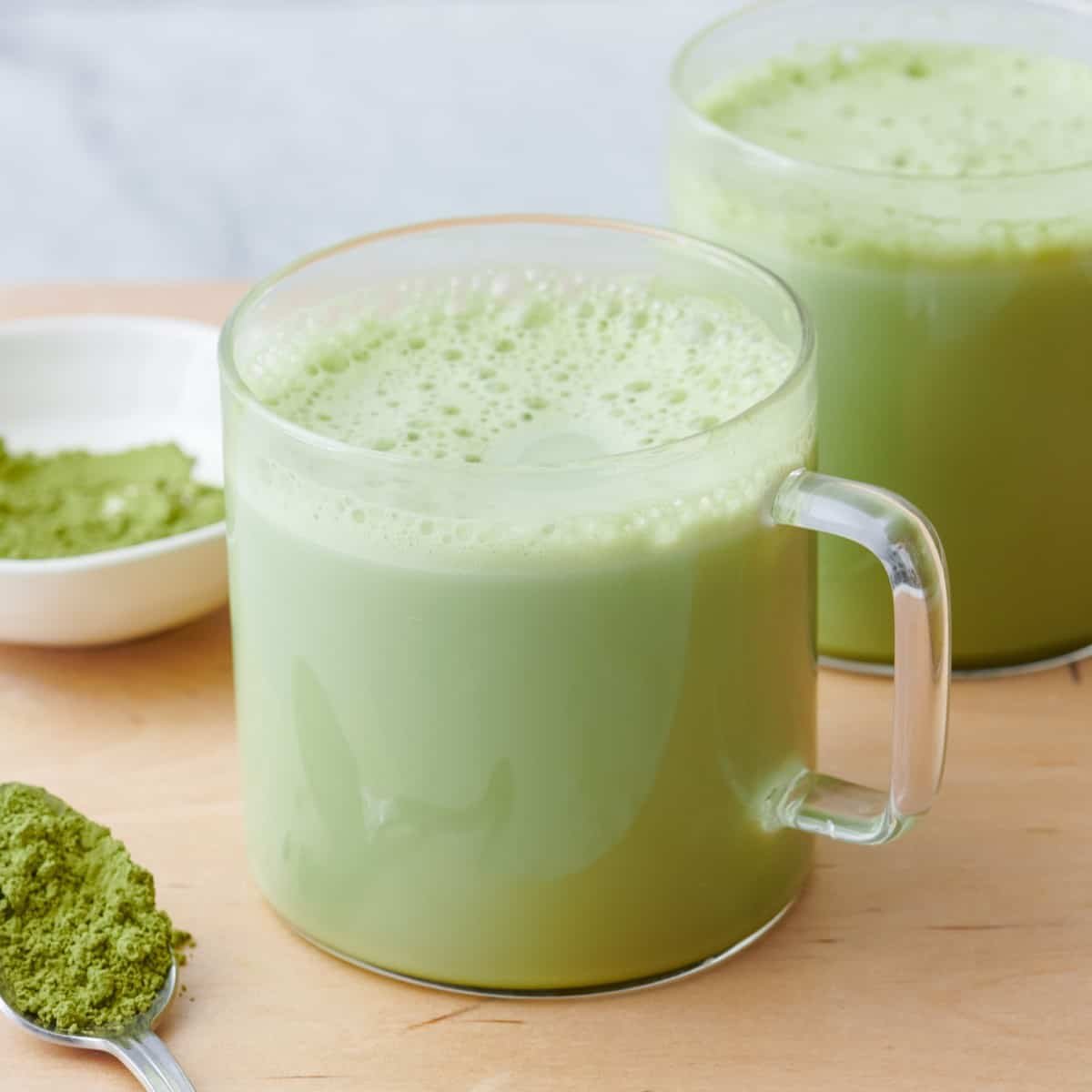
I’ve fallen in love with making matcha at home! To prepare, sift 1 teaspoon of high-quality matcha powder into a bowl. Heat 2 ounces of water just below boiling and pour it over the matcha. Whisk in a zigzag motion until it’s frothy. If you like, add a sweetener, or for a latte, froth your favorite milk and mix it in. The taste improves with practice, and there’s so much more to explore about matcha’s origins!
Matcha Preparation Guide
Ingredients:
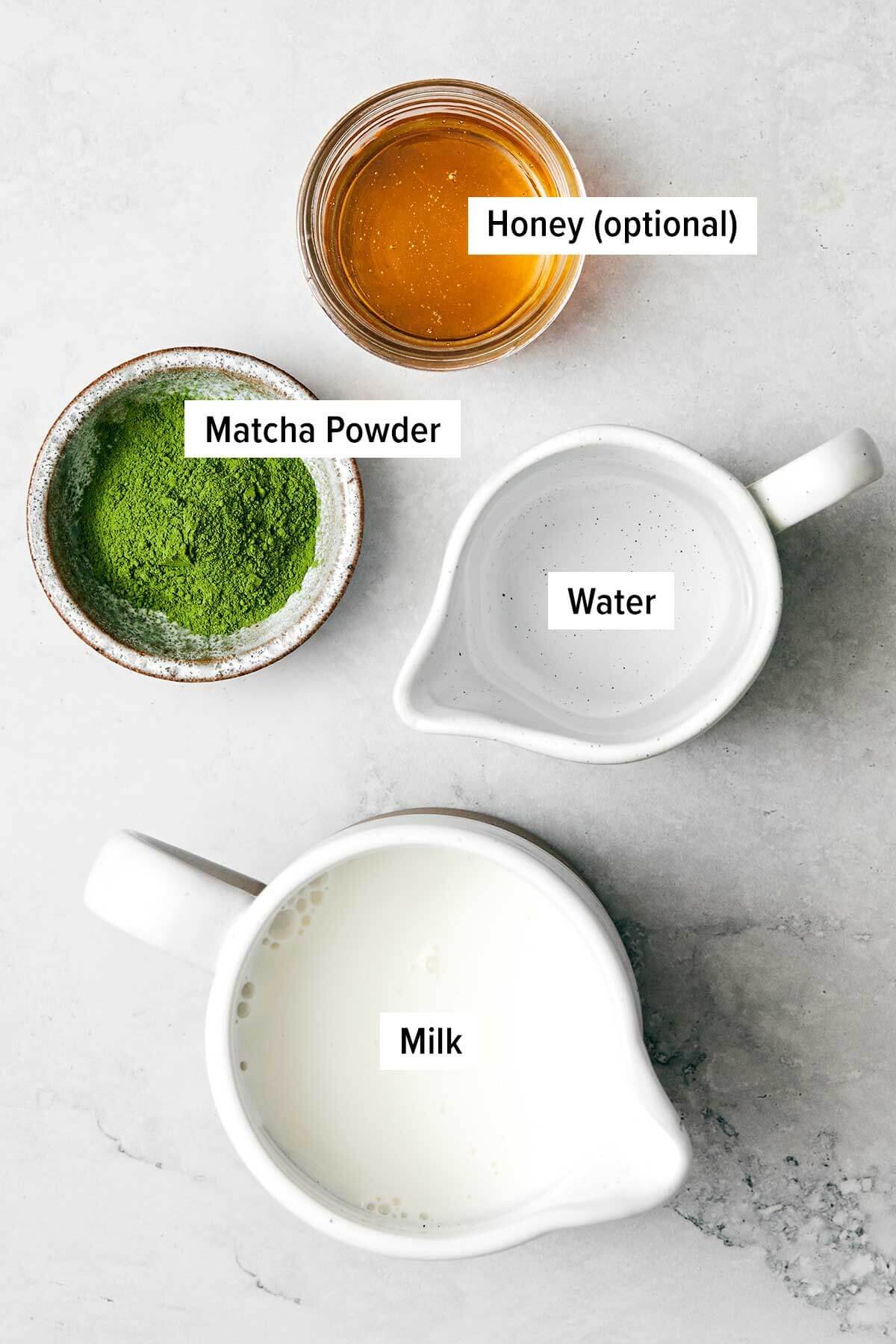
- 1 teaspoon matcha powder
- 2 ounces hot water (not boiling, around 175°F or 80°C)
- Sweetener of choice (honey, sugar, or agave syrup, optional)
- Milk or milk alternative (optional, for matcha latte)
Cooking Instructions:
- Start by sifting the matcha powder into a bowl using a fine mesh sieve. This helps to eliminate any clumps and ensures a smooth texture.
- Heat the water to just below boiling point. I typically use a thermometer, but if you don’t have one, just bring the water to a boil and let it sit for about 5 minutes to cool down.
- Pour the hot water over the sifted matcha powder in the bowl.
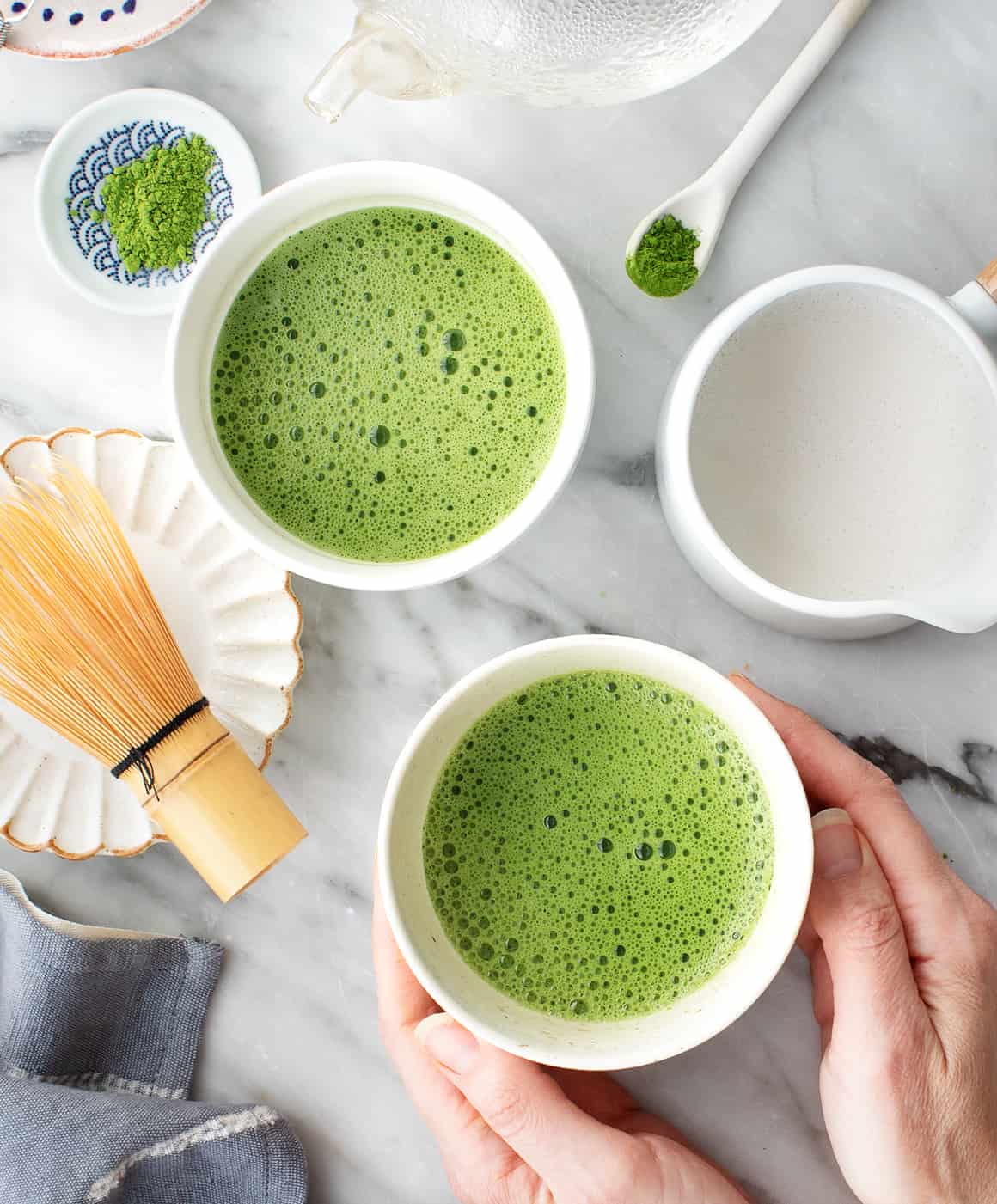
- Using a bamboo whisk (chasen) or a frother, whisk the matcha and water together in a zigzag motion until it’s well combined and forms a frothy layer on top. This usually takes about 30 seconds.
- If you prefer a sweeter drink, add your choice of sweetener to taste and whisk again until dissolved.
- For a matcha latte, you can warm and froth your milk or milk alternative separately, then pour it into the matcha mixture and stir gently.
Extra Tips:
When preparing matcha, the quality of the matcha powder plays a crucial role in the final flavor, so I recommend investing in high-quality ceremonial grade matcha for the best experience.
Also, be mindful of the water temperature; if it’s too hot, it can make the matcha taste bitter.
Lastly, experiment with the sweetness and milk to find the perfect balance that suits your taste. I find that a little bit of experimentation can lead to discovering your ideal matcha drink!
Japanese Tea Ceremony Origins
The Japanese tea ceremony, or “chanoyu,” has its roots deeply embedded in Zen Buddhism and the cultural practices of Japan.
I find it fascinating how this ritual emphasizes harmony, respect, purity, and tranquility. Each movement and gesture is intentional, reflecting a deep appreciation for the present moment.
As I explore this tradition, I gain a greater understanding of its spiritual and aesthetic significance.