Breakfast can become surprisingly complicated when you are trying to follow a restrictive eating plan. Many familiar options rely on sweetened cereals, flavoured yogurt, pastries or heavily processed ingredients, while online lists of permitted foods often contradict one another. These Candida diet breakfast ideas offer a more practical starting point, with an emphasis on satisfying meals made from recognisable ingredients and without added refined sugar.
The collection includes savoury egg dishes, vegetable-based breakfasts, buckwheat porridge, homemade granola and several convenient baked options. Some can be prepared in less than half an hour, while others are suitable for making ahead and keeping in the refrigerator or freezer. Rather than eating the same breakfast every morning, you can select a few ideas that suit your routine and rotate them throughout the week.
It is important to understand that there is no single, universally accepted version of a “Candida diet.” Different plans may give conflicting advice about fruit, dairy products, oats, fermented foods and even particular vegetables. For this reason, a food should not automatically be described as Candida-friendly simply because it is gluten-free, low in carbohydrates or made without refined sugar.
Several recipes in this collection therefore include optional substitutions. Unsweetened coconut yogurt can replace dairy yogurt, certified gluten-free oats may be used where necessary, and fruit portions can be adjusted or omitted according to individual needs. When buying prepared foods such as kimchi, plant-based milk or nut butter, check the ingredient list carefully because some varieties contain added sugar.
These breakfasts are intended to provide useful meal inspiration rather than impose another rigid set of rules. A vegetable omelet may be the easiest choice on a busy morning, while coconut buckwheat porridge can be prepared the night before. Muffins can be frozen in individual portions, and homemade granola allows you to control the sweeteners and flavourings more closely than many packaged alternatives.
The most useful approach is to choose recipes that provide enough protein, fibre and satisfying fats while still fitting your personal dietary guidance. Restricting a growing list of foods without professional support can make meals unnecessarily difficult and may reduce dietary variety. If you are following a limited diet because of persistent symptoms, speak with a qualified healthcare professional or registered dietitian before making long-term exclusions.
What “Candida-Friendly” Means in This Article
In this collection, “Candida-friendly” refers only to breakfast ideas commonly adapted by people following a low-added-sugar, minimally processed eating plan. It does not mean that a recipe has been clinically proven to prevent, treat or cure candidiasis.
A Candida infection is a medical condition that may require diagnosis and appropriate treatment. Food choices should not be used as a substitute for professional care. The Candida cleanse diet itself is not an established medical treatment, and individual responses to foods can vary considerably.
Before preparing any recipe, check that each ingredient is compatible with the dietary plan recommended for you. Pay particular attention to:
- added sugar in kimchi, yogurt, plant-based milk and nut butter;
- whether oats need to be certified gluten-free;
- individual tolerance of dairy and fermented foods;
- the amount and type of fruit used;
- allergies to eggs, coconut, nuts or seeds.
The recipes that follow focus on realistic preparation methods, adaptable ingredients and satisfying breakfasts. They are designed to make a restricted morning routine easier—not to make medical promises that food alone cannot support.
1. Candida Breakfast Recipe: Kimchi Omelet

A Kimchi Omelet is a useful option when you want a savoury breakfast with plenty of flavour but very little preparation. The soft eggs balance the chilli, garlic and acidity of the fermented cabbage, while sliced spring onion adds freshness. It can be served on its own or accompanied by a few simply cooked non-starchy vegetables for a more substantial meal.
Before cooking, check the ingredient list on the kimchi. Some commercial varieties contain added sugar, sweetened sauces or other ingredients that may not fit the dietary plan you are following. Fermented foods are also treated differently across Candida diet lists, so use kimchi only if it agrees with you and is permitted within your individual guidance.
Drain the kimchi thoroughly and chop any large pieces into smaller strips. Removing excess liquid is important because too much brine can make the omelet watery and difficult to fold. For a milder result, use a smaller amount of kimchi or briefly rinse and dry it, although this will also reduce some of its characteristic flavour.
Beat the eggs just until the yolks and whites are combined, seasoning them lightly. Heat a small amount of olive, avocado or coconut oil in a non-stick frying pan, then add the eggs. Cook over medium-low heat, drawing the set edges gently towards the centre while allowing the uncooked egg to flow underneath. When the surface is nearly set but still slightly glossy, place the kimchi over one half and fold the omelet carefully.
Let the Kimchi Omelet cook for another minute, then transfer it immediately to a warm plate. Finish it with spring onion and, if suitable, a small scattering of sesame seeds. The omelet is best prepared immediately before eating, although the kimchi can be drained and chopped the night before. Keep it refrigerated in a covered container until needed.
2. Candida Breakfast Recipe: Loaded Veggie Omelet

A Loaded Veggie Omelet is an easy way to turn a few everyday vegetables into a colourful and satisfying breakfast. Spinach, mushrooms, bell peppers and spring onions work particularly well together, but the filling can be adjusted according to what you have available and which ingredients fit your personal dietary plan.
The key to a well-structured omelet is cooking the vegetables before adding them to the eggs. Begin with the mushrooms, placing them in a hot pan with a small amount of olive, avocado or coconut oil. Cook until they release their moisture and begin to brown. Add the diced peppers and continue cooking until they are crisp-tender. Stir in the spinach and spring onions last, as they need only a short time to soften.
Transfer the cooked vegetables to a plate and wipe out the pan if it contains excess liquid. Keeping the filling relatively dry prevents the omelet from becoming watery or tearing when folded. Beat the eggs with black pepper and a small pinch of salt, then pour them into the warm pan. Cook over medium-low heat, gently lifting the set edges so the uncooked egg can run underneath.
When the surface is almost set, arrange the vegetables over one half of the omelet. Avoid adding more filling than the eggs can comfortably hold. Fold the empty side over the vegetables and cook for another minute, then slide the omelet onto a plate.
The vegetable filling can be prepared the night before and refrigerated in a covered container, making the morning preparation much faster. Reheat it briefly before adding it to the eggs. Other suitable filling options may include zucchini, kale, asparagus or fresh herbs. If dairy products are part of your individual plan, a small amount of unsweetened yogurt may be served separately, but the Loaded Veggie Omelet is complete and flavourful without it.
3. Candida Breakfast Recipe: Avocado Cauliflower Toast
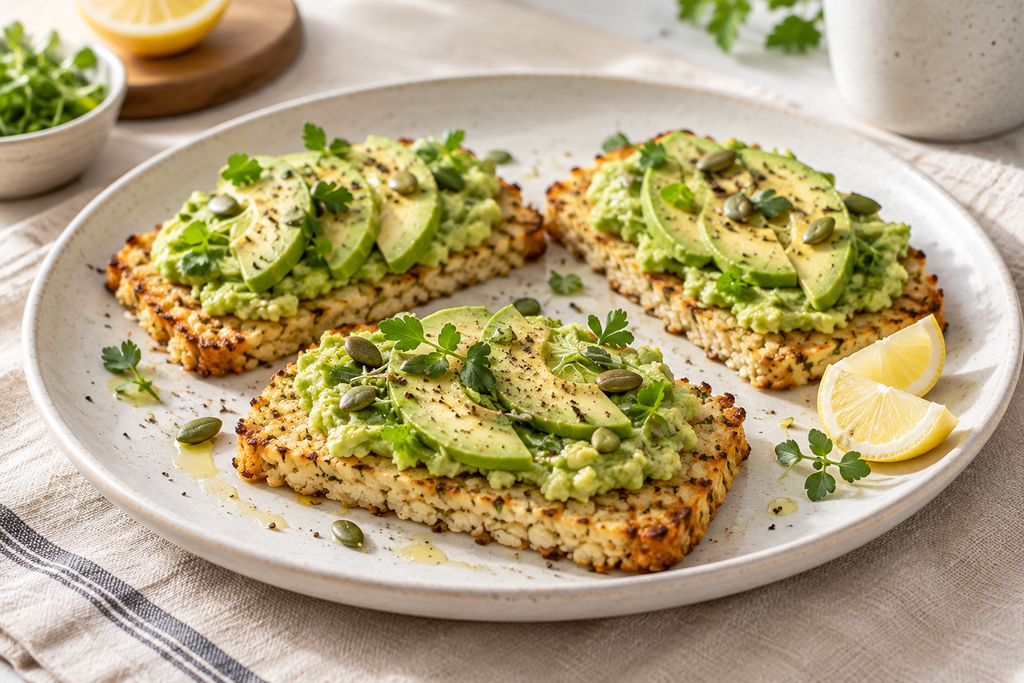
This Avocado Cauliflower Toast replaces conventional bread with a firm, oven-baked cauliflower base. The result is a savoury breakfast with crisp golden edges, a tender centre and a creamy avocado topping. It requires more preparation than ordinary toast, but the bases can be made ahead and reheated when needed.
Begin by processing raw cauliflower into fine, rice-sized pieces. Steam or microwave it briefly until tender, then allow it to cool enough to handle. Transfer the cauliflower to a clean kitchen towel and squeeze out as much moisture as possible. This is the most important step: if too much water remains, the bases will be soft and difficult to lift.
Combine the dry cauliflower with an egg, a small amount of ground almonds and seasonings such as black pepper, garlic powder and dried herbs. Ground flaxseed or psyllium may help with binding when adapting the recipe, but substitutions can alter the final texture. Anyone avoiding nuts should use a suitable alternative and check that all ingredients fit their individual dietary needs.
Shape the mixture into thin rectangular portions on a lined baking tray. Keep them compact and evenly thick, with tidy edges. Bake until the undersides are firm and golden, then carefully turn the pieces and continue baking until both sides feel dry enough to hold their shape.
Mash a ripe avocado with a small amount of lemon juice, salt and pepper. Add the lemon gradually, particularly if acidic foods are limited in your plan. Spread the avocado over the warm cauliflower bases immediately before serving. Fresh herbs, pumpkin seeds or sliced spring onion can provide extra flavour and texture without relying on sweetened sauces.
The cauliflower bases can be refrigerated for up to two days or frozen with baking paper between them. Reheat them in the oven or a dry frying pan rather than the microwave, which may soften the edges. Add the avocado only after reheating, as prepared avocado quickly loses its fresh colour. Served immediately, Avocado Cauliflower Toast offers a practical and clearly bread-free alternative to traditional avocado toast.
4. Candida Breakfast Recipe: Turkish-Style Scrambled Eggs (Menemen)

Colourful, warming and prepared in a single pan, Turkish-Style Scrambled Eggs (Menemen) combines softly cooked eggs with tomatoes, green peppers and optional onion. The vegetables create a naturally rich sauce, while the eggs make the dish substantial enough for breakfast without requiring bread or a sweet accompaniment.
Begin by heating a small amount of olive oil in a wide frying pan. Add finely chopped onion, if using, and cook it gently until softened rather than browned. Follow with chopped mild green peppers and sauté them until tender. Turkish sivri peppers are traditional, but another mild green pepper can be substituted if they are unavailable.
Add peeled, diced ripe tomatoes and allow the mixture to simmer until the excess liquid has evaporated. This step should not be rushed. If the tomatoes remain watery, the finished eggs may feel more like soup than menemen. Out-of-season fresh tomatoes can be replaced with unsweetened canned tomatoes, but check the ingredient list for added sugar.
Lightly beat the eggs in a bowl, then pour them over the thickened vegetables. Stir slowly and irregularly so that soft yellow curds form throughout the tomato mixture. Remove the pan from the heat while the eggs still look slightly glossy, as they will continue cooking in the residual warmth. Menemen should remain soft and moist rather than becoming firm like a conventional omelet.
For anyone searching for a practical Candida Breakfast Recipe, this dish can be adapted without added refined sugar, although tomatoes, peppers and onions may be treated differently across individual dietary plans. Select the ingredients according to the guidance you follow rather than assuming that one version is suitable for everyone.
Serve the Turkish-Style Scrambled Eggs (Menemen) immediately, finished with parsley, black pepper or a small pinch of mild chilli flakes. The tomato-and-pepper base may be cooked the night before and refrigerated, but add the eggs only after reheating it in the morning to preserve their tender texture.
5. Baked Eggs Skillet With Red Peppers and Onions

This Baked Eggs Skillet With Red Peppers and Onions is a colourful one-pan breakfast with tender vegetables and gently cooked eggs. The sweetness of the softened peppers and onions balances the savoury eggs, while paprika, black pepper and fresh herbs provide plenty of flavour without the need for cheese or a prepared sauce.
Choose an oven-safe frying pan or cast-iron skillet. Heat a small amount of olive, avocado or coconut oil, then add thinly sliced onions. Cook them over medium heat until soft and lightly golden. Add the sliced red peppers and continue cooking until they have softened and their excess moisture has evaporated. Rushing this stage can leave the vegetables watery and may prevent the egg whites from setting evenly.
Season the vegetables with black pepper, mild paprika and a small amount of salt. Create four shallow spaces in the mixture and crack an egg into each one. Transfer the skillet to a preheated oven and bake until the whites are opaque and set. The yolks may remain slightly soft or be cooked longer according to preference, but the whites should be fully cooked.
For readers looking for a colourful Candida Breakfast Recipe, this dish contains no added refined sugar, although peppers and onions may be treated differently by individual dietary plans. Use ingredient choices that match the professional guidance or structured plan you are following.
The pepper-and-onion mixture can be cooked up to two days ahead and stored in a covered container in the refrigerator. Reheat it thoroughly in the skillet before adding the eggs. This makes the dish practical for a busy morning while preserving the freshly baked texture of the eggs.
Serve the Baked Eggs Skillet With Red Peppers and Onions directly from the pan, taking care with the hot handle. Finish it with parsley, chives or another suitable herb. A side of wilted greens or sliced avocado can make the breakfast more substantial without hiding the flavour of the roasted vegetables.
6. Bircher Muesli
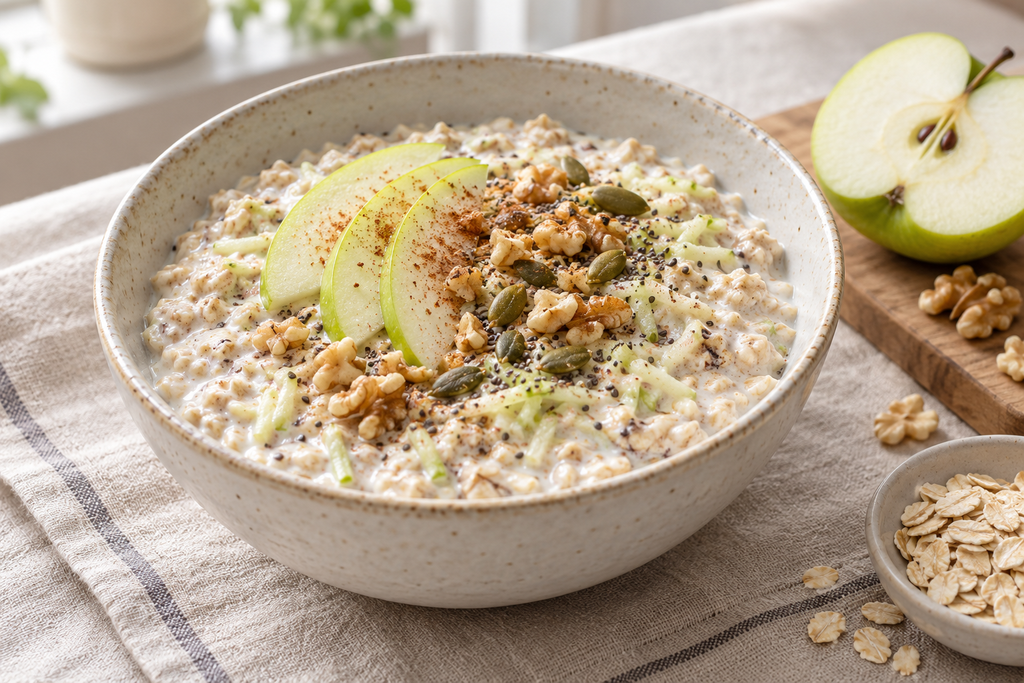
Bircher muesli is a wonderfully practical breakfast for mornings when you would rather open the fridge and find something already waiting for you. Its creamy texture, gentle cinnamon aroma, and combination of oats, apple, nuts, and seeds make it feel more interesting than ordinary overnight oats. Because most of the preparation happens the night before, it also works well for busy weekdays.
To make it, combine rolled oats with unsweetened natural yogurt or coconut yogurt and enough unsweetened plant milk to create a loose mixture. Add chia seeds and a small pinch of cinnamon, then cover the bowl and refrigerate it overnight. The oats and seeds will absorb the liquid as they rest, producing the soft, spoonable consistency associated with traditional Bircher muesli.
In the morning, stir the mixture and add a little more milk if it has become too thick. Grate in a modest amount of fresh green apple, then finish the bowl with chopped walnuts and pumpkin seeds. Adding these toppings immediately before serving keeps their texture pleasantly crisp. If apple is not included in your current eating plan, it can simply be reduced or omitted rather than replaced with a sweetener.
For anyone searching for a make-ahead Candida Breakfast Recipe, this version can be adjusted according to the ingredients recommended by their healthcare professional. Oats, fruit, fermented dairy products, and even some plant-based yogurts are treated differently across individual plans, so check ingredient labels carefully and choose products without added sugar. Certified gluten-free oats may also be preferable when gluten avoidance is necessary.
You can prepare one or two portions in advance and keep them covered in the refrigerator. For the freshest flavor and texture, enjoy the muesli within two days and store the nuts and seeds separately. Serve it in a glass jar for an easy breakfast on the go, or take a slower moment at home and enjoy it with a warm cup of tea.
7. Avocado Pancakes With Lemon Coconut Parsley Sauce

These avocado pancakes are a colorful savory alternative to the sweet stacks usually served at breakfast. They are lightly golden on the outside, soft in the center, and accompanied by a creamy sauce that brings together fresh lemon, coconut, and parsley. The result feels a little special, yet it is still practical enough for an unhurried weekday morning or a relaxed weekend brunch.
Begin by mashing a ripe avocado until mostly smooth. Mix it with eggs and a small amount of unsweetened plant milk, then gradually add your chosen flour and a pinch of salt. Almond or coconut flour may suit some eating plans, but they absorb moisture differently, so add them gradually until the batter is thick enough to hold its shape in the pan. Allowing the mixture to rest for five minutes can also help you judge its final consistency.
Cook small pancakes in a lightly oiled skillet over medium-low heat. Keeping them compact makes them easier to turn without breaking. Wait until the edges look set and the underside is golden before carefully flipping each pancake.
For the sauce, combine unsweetened coconut yogurt or thick coconut cream with lemon juice, finely chopped parsley, and a little salt. Taste before adding more lemon, as too much can overpower the mild avocado. Spoon the sauce over the warm pancakes or serve it on the side for dipping.
This adaptable Candida Breakfast Recipe can be adjusted to match the ingredients included in your individual dietary plan. Check packaged coconut products and plant milks for added sugar, and remember that recommendations concerning particular flours, dairy substitutes, and fruit can vary.
Leftover pancakes can be refrigerated in a covered container for up to two days. Reheat them gently in a dry skillet to revive their lightly browned exterior. Keep the sauce separately chilled and add it only when serving. A few avocado slices, fresh parsley leaves, or toasted pumpkin seeds make simple finishing touches without turning breakfast into a complicated project.
8. Buckwheat Breakfast Muffins
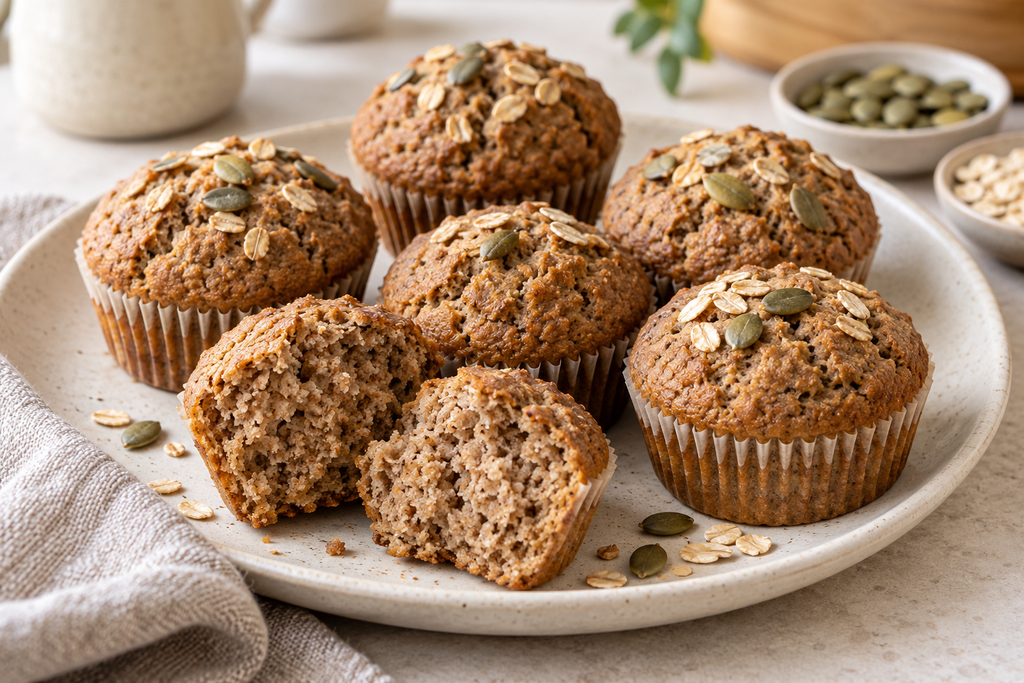
Buckwheat breakfast muffins are a useful make-ahead option for mornings when sitting down to a freshly prepared meal is not realistic. Their gently nutty flavor and pleasantly substantial texture make them feel more satisfying than a sugary bakery-style muffin, while their portable shape is ideal for busy weekdays, packed breakfasts, or a relaxed cup of tea at home.
Despite its name, buckwheat is not a type of wheat and is naturally gluten-free. If avoiding gluten is important, however, choose flour that is specifically certified gluten-free, since cross-contact can occur during processing. Its distinctive earthy flavor works particularly well with cinnamon, seeds, and chopped nuts.
To prepare the batter, whisk eggs with unsweetened plant milk and a neutral oil. In a separate bowl, combine buckwheat flour with baking powder, cinnamon, and a small pinch of salt. Fold the wet and dry mixtures together only until no obvious pockets of flour remain. Overmixing may produce unnecessarily heavy muffins.
Divide the batter between lined muffin cups, filling each approximately three-quarters full. Sprinkle a few pumpkin seeds or chopped walnuts over the tops, then bake until the muffins are lightly browned and a skewer inserted into the center comes out clean. Allow them to cool in the pan for several minutes before transferring them to a wire rack.
As an adaptable Candida Breakfast Recipe, these muffins should be prepared using ingredients that fit the individual eating plan being followed. Avoid sweetened plant milks and flavored yogurts, and check baking ingredients for unnecessary added sugar. Buckwheat and other grains or pseudograins may be included differently across dietary approaches, so personal medical or nutritional guidance should take priority.
Once completely cool, keep the muffins in a covered container for up to two days, or refrigerate them for slightly longer storage. They can also be frozen individually and defrosted overnight. Warm one gently before serving and pair it with unsweetened coconut yogurt, nut butter, or a small handful of seeds for a simple breakfast that requires almost no morning preparation.
9. Apple and Walnut Yogurt Parfait
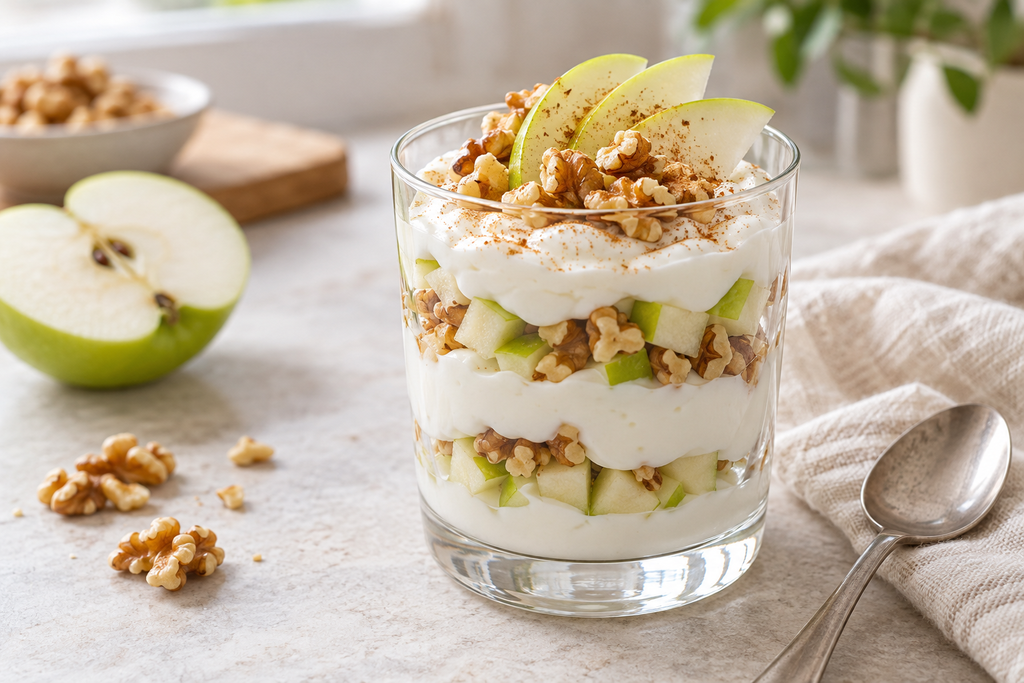
An apple and walnut yogurt parfait is proof that a simple breakfast can still feel thoughtfully prepared. The creamy yogurt, crisp pieces of apple, crunchy walnuts, and gentle warmth of cinnamon create several contrasting textures in one glass. It requires no cooking and can be assembled in only a few minutes, making it particularly useful on busy mornings.
Start with plain, unsweetened yogurt or an unsweetened coconut-based alternative. Check the ingredient list carefully, as even products labeled “natural” may contain added sugar, syrups, or sweetened fruit preparations. Spoon a layer of yogurt into a clear glass or small jar, then add finely diced green apple and roughly chopped walnuts. Repeat the layers and finish with a light dusting of cinnamon.
A tart green apple provides plenty of fresh flavor without needing honey or another sweetener. If you are preparing the parfait in advance, toss the diced apple with a very small amount of lemon juice to slow down browning. Alternatively, prepare the yogurt and walnuts the night before and add the apple immediately before serving. Toasting the walnuts briefly in a dry skillet will deepen their flavor, but allow them to cool completely before layering them with the yogurt.
As a flexible Candida Breakfast Recipe, this parfait should be adapted to the dietary plan recommended for the individual. Fruit, fermented dairy products, nuts, and coconut-based substitutes may be handled differently across approaches. The amount of apple can be reduced or the fruit omitted when necessary, while the remaining yogurt, walnuts, and cinnamon still provide an enjoyable combination.
For the best texture, eat the parfait shortly after assembling it. A fully prepared portion can be refrigerated in a covered jar until the following morning, although the walnuts will gradually soften. Keeping the individual components separately chilled and combining them at breakfast takes only a moment and preserves their contrasting textures. It is also easy to pack in a sealed jar for work, provided it can be kept cool until serving.
10. Coconut Granola
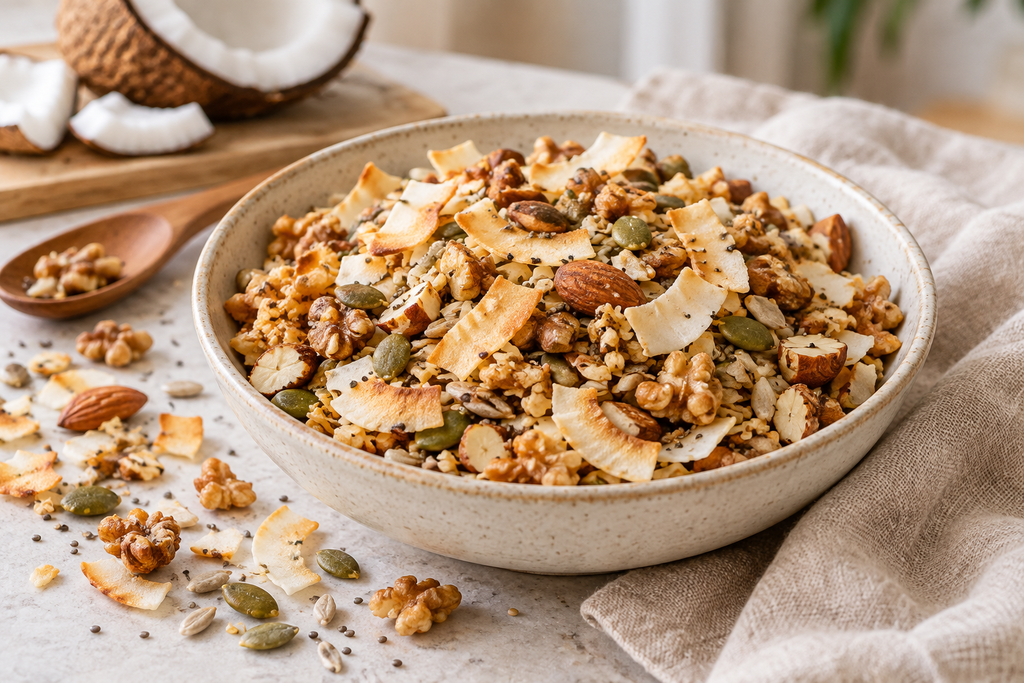
Homemade coconut granola brings plenty of crunch to breakfast without relying on the sugary coatings commonly found in packaged varieties. Toasted coconut, nuts, and seeds create a satisfying mixture with a warm, gently roasted flavor. Once prepared, it is ready to sprinkle over yogurt, serve with unsweetened plant milk, or simply enjoy by the spoonful when a quick breakfast is needed.
Combine large unsweetened coconut flakes with roughly chopped walnuts or almonds, pumpkin seeds, sunflower seeds, and a small quantity of chia seeds. Cinnamon and a pinch of salt will enhance the natural flavors without making the granola taste like dessert. Add just enough melted coconut oil to coat the ingredients lightly, then spread the mixture across a parchment-lined baking tray.
Bake the granola at a moderate temperature and watch it closely. Coconut flakes can change from golden to burnt surprisingly quickly, particularly around the edges of the tray. Stir the mixture once or twice during baking so that everything toasts evenly. Remove it when the coconut is lightly golden and the nuts smell fragrant, even if the mixture does not yet seem fully crisp.
Allow the granola to cool completely on the tray before disturbing it. It will become crunchier as it reaches room temperature. If you prefer larger clusters, press the mixture gently into an even layer before baking and avoid stirring it while it cools.
This homemade Candida Breakfast Recipe can be adjusted according to the ingredients permitted in an individual dietary plan. Choose unsweetened coconut and raw, unflavored nuts and seeds, checking labels for added sugar, sweet coatings, and unnecessary flavorings. Coconut and particular varieties of nuts or seeds may not be suitable for every person, so individual guidance should take priority.
Store the cooled granola in a tightly sealed jar away from heat and moisture. It should remain crisp for approximately one week. Always use a dry spoon when serving, as even a small amount of moisture can soften the mixture. Prepare a batch at the weekend, and several uncomplicated breakfasts will already be halfway finished.
11. Candida Breakfast Recipe: Overnight Coconut Buckwheat Porridge
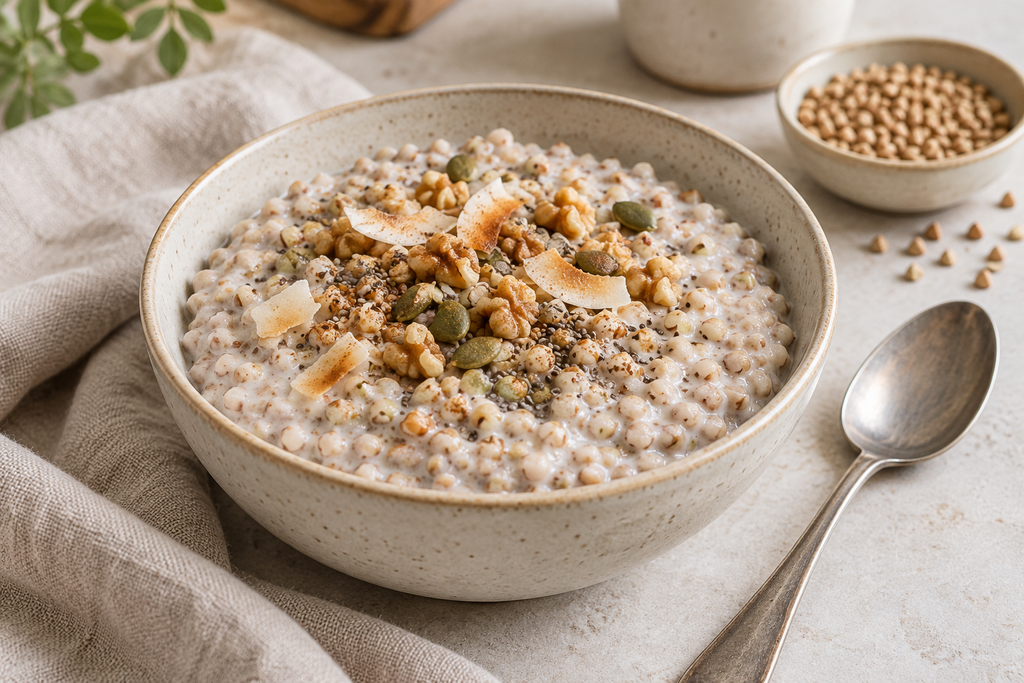
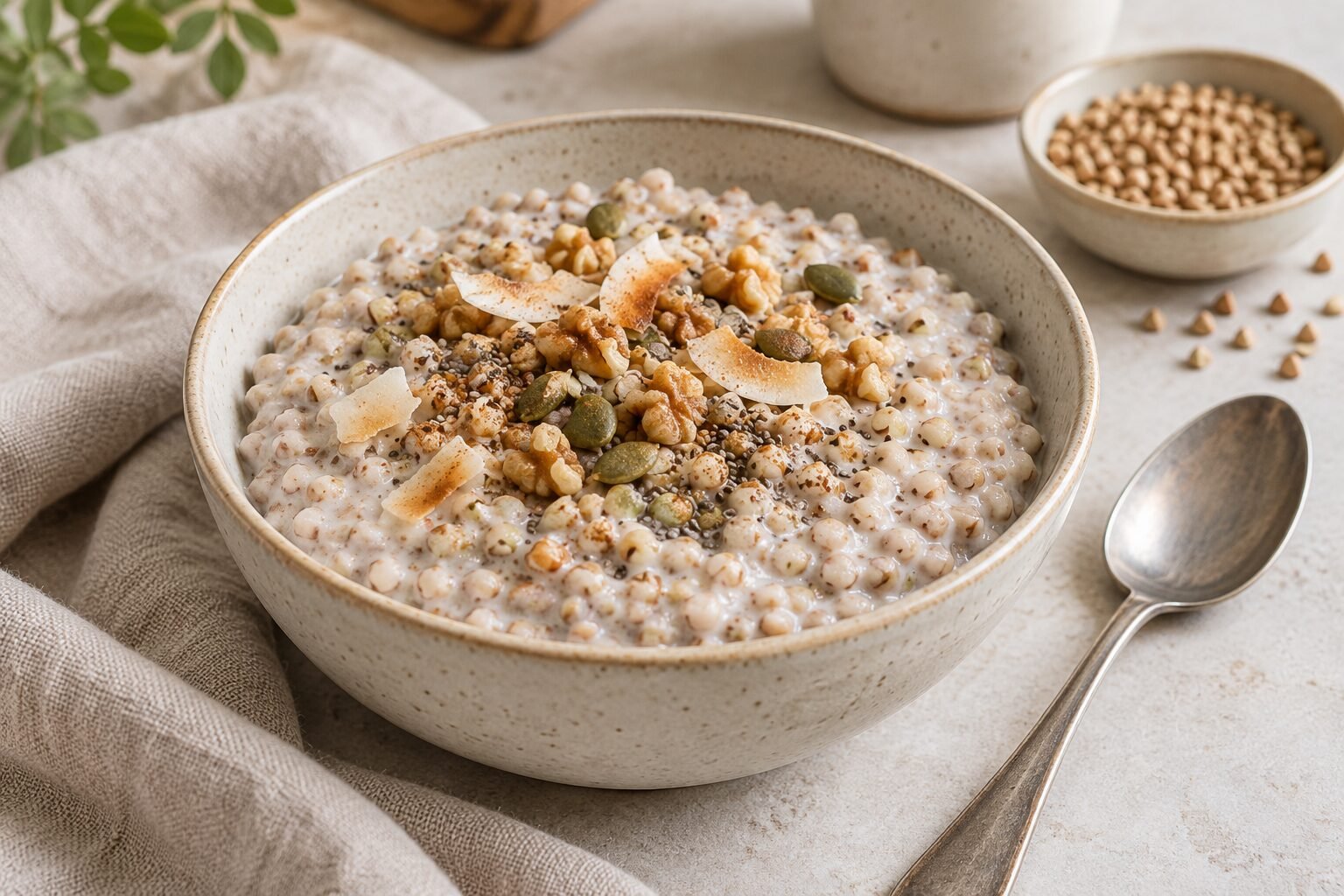
Overnight coconut buckwheat porridge is a convenient alternative to conventional oatmeal, with a gently nutty flavor and a naturally creamy consistency. Because most of the preparation happens while you sleep, it is particularly helpful on mornings when there is little time to cook. The softened buckwheat groats retain a little texture, preventing the finished breakfast from becoming completely smooth or heavy.
Use raw buckwheat groats rather than toasted buckwheat, which has a stronger flavor and does not soften in quite the same way. Place the groats in a bowl, cover them generously with water, and leave them to soak overnight in the refrigerator. By morning, the soaking liquid may appear slightly thick or slippery. This is normal; drain the groats and rinse them thoroughly under cool running water.
Blend some or all of the soaked buckwheat with unsweetened coconut milk, cinnamon, and a small pinch of salt. Blending only part of the mixture gives you a creamy base while preserving some of the groats’ pleasantly chewy texture. Add the coconut milk gradually, as it is easier to thin an overly thick porridge than to correct one that has become watery.
Serve the porridge cold, or warm it gently in a saucepan over low heat. Finish it with toasted unsweetened coconut flakes, chopped walnuts, pumpkin seeds, or a light sprinkle of cinnamon. Avoid boiling it vigorously, since this may make the mixture overly thick.
When preparing this Candida Breakfast Recipe, select coconut milk and toppings without added sugar or sweet coatings. Buckwheat, coconut products, nuts, and seeds may be treated differently in individual dietary plans, so adjust the combination according to professional advice rather than assuming that one version is suitable for everyone.
The soaked groats or finished porridge can be kept covered in the refrigerator for up to two days. Store crunchy toppings separately and add them immediately before eating. Preparing two portions at once can make the following morning easier without noticeably affecting the texture or freshness.
12. Toasted Coconut Oat Bran
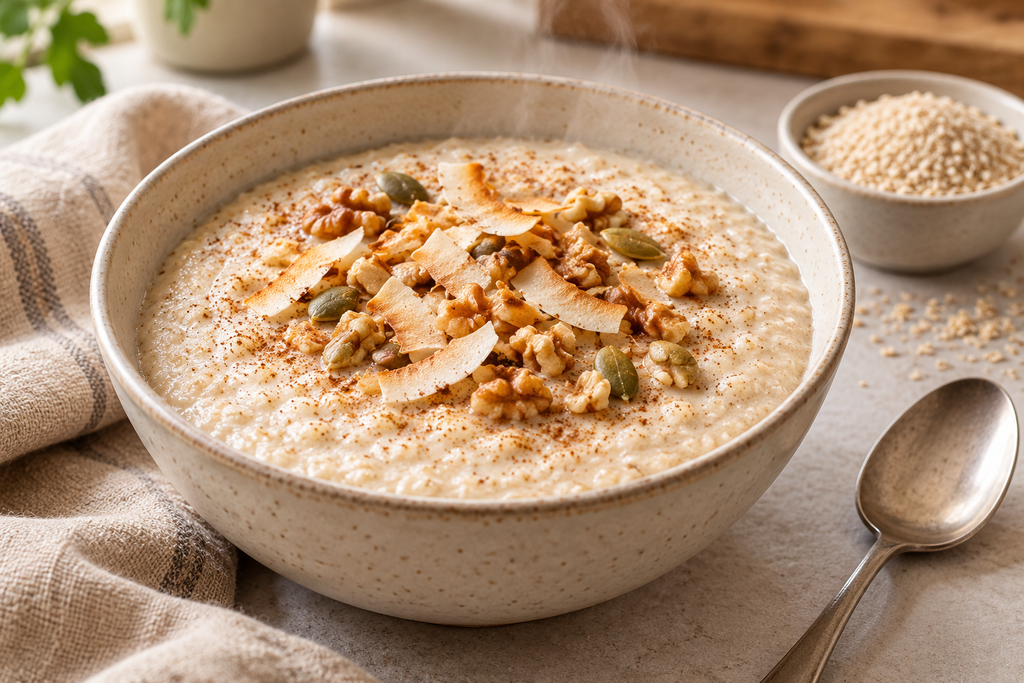
Toasted coconut oat bran is a warm, creamy breakfast that comes together much faster than traditional oatmeal. Oat bran has a finer texture than rolled oats and thickens quickly as it cooks, producing a smooth, spoonable porridge. Toasted coconut adds a gently nutty flavor and a welcome touch of crispness without requiring a sugary topping.
Begin by placing unsweetened coconut flakes in a dry skillet over low to medium heat. Stir them frequently and remove the pan as soon as the edges turn golden. Coconut can burn within moments, and it will continue to toast slightly in the hot pan. Transfer the flakes to a cool plate rather than leaving them in the skillet.
To prepare the porridge, bring unsweetened plant milk or a mixture of milk and water to a gentle simmer. Gradually whisk in the oat bran to prevent lumps from forming. Cook over low heat while stirring continuously until the mixture becomes creamy. This usually takes only a few minutes. Remove it from the heat while it is still slightly looser than you want, as oat bran continues to absorb liquid as it rests.
Add cinnamon and a small pinch of salt, then finish each serving with the toasted coconut. Chopped walnuts, pumpkin seeds, or chia seeds can provide additional texture. If the porridge becomes too thick, stir in a splash of warm plant milk before serving.
When considering this as a Candida Breakfast Recipe, remember that oat bran is not included in every individual dietary approach. Use certified gluten-free oat bran when avoiding cross-contact with gluten, choose unsweetened coconut and plant milk, and follow personalized professional advice regarding grains, nuts, and seeds.
Leftovers can be covered and refrigerated until the following day. The porridge will become considerably thicker while chilled, so reheat it gently with extra liquid and stir until smooth. Store the toasted coconut separately in an airtight container and add it after reheating to preserve its crisp texture.
13. Zucchini Muffins
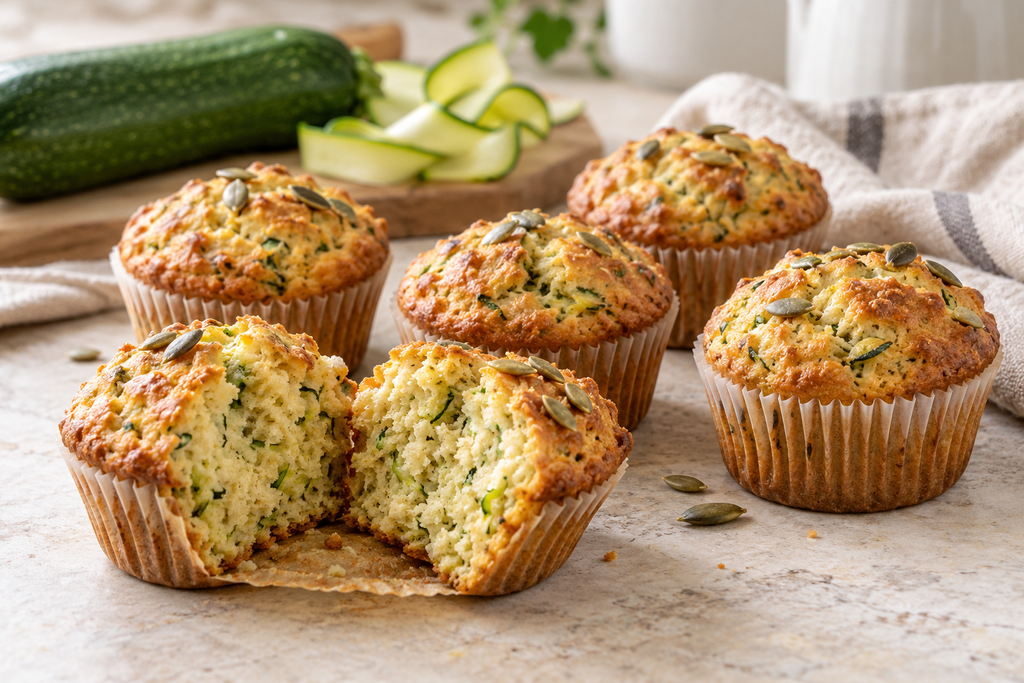
Zucchini muffins are an easy way to turn a familiar vegetable into a portable savory breakfast. They have a lightly golden exterior, a soft center, and a mild flavor that works well with herbs, seeds, and simple spreads. A batch can be prepared ahead of time, making these muffins useful for busy mornings, packed lunches, or those moments when breakfast needs to travel with you.
Begin by grating the zucchini on the coarse side of a box grater. Zucchini contains a great deal of water, so place the grated vegetable in a clean kitchen towel and squeeze it firmly over the sink. Removing the excess liquid is important: overly wet zucchini can make the muffins heavy, gummy, or apparently underbaked.
Whisk eggs with unsweetened plant milk and a little olive or coconut oil. In another bowl, combine your chosen flour with baking powder, a pinch of salt, and optional seasonings such as parsley, oregano, or black pepper. Stir the wet mixture into the dry ingredients, then gently fold in the squeezed zucchini. Avoid mixing for longer than necessary, as this may result in a dense texture.
Divide the batter between lined muffin cups and sprinkle a few pumpkin seeds over the tops. Bake until the muffins are risen, lightly browned, and firm in the center. A skewer should come out without wet batter, although a few moist crumbs are perfectly normal. Let the muffins rest in the pan briefly before transferring them to a rack.
When adapting these muffins as a Candida Breakfast Recipe, choose flour and plant milk according to the individual dietary plan being followed. Check packaged ingredients for added sugar, and remember that recommendations concerning grains, nuts, seeds, and dairy substitutes vary between approaches.
Once completely cool, store the muffins in a covered container in the refrigerator for up to three days. Warm them gently in the oven or a dry skillet before serving. They can also be frozen individually and defrosted overnight, giving you a practical homemade breakfast even on the busiest mornings.
A More Practical Way to Approach Breakfast
Working through these breakfast ideas has changed the way I think about a restricted morning menu. At first, it is easy to focus only on what may need to be removed: added sugar, heavily processed products, sweetened drinks, or familiar convenience foods. That approach can quickly make breakfast feel repetitive and unnecessarily difficult.
Looking at these recipes together, however, reveals a much more encouraging picture. Eggs can become a colorful omelet, a vegetable-filled skillet, or a gently spiced menemen. Buckwheat can be turned into muffins or prepared overnight as a creamy porridge. Coconut, nuts, seeds, herbs, avocado, and fresh vegetables can introduce different textures and flavors without making the morning routine complicated.
The most useful lesson for me is that preparation matters more than perfection. A batch of savory muffins in the freezer, washed vegetables in the refrigerator, or a breakfast mixture prepared the night before can make a restrictive plan feel far more manageable. It is not necessary to cook an elaborate meal every morning. Often, one small decision made the evening before is enough to create a calmer start to the following day.
These recipes are intended as adaptable ideas rather than a universal meal plan. Foods such as oats, buckwheat, fruit, dairy products, fermented ingredients, nuts, and coconut may be treated differently in individual Candida-focused diets. A Candida diet is also not an established substitute for medical diagnosis or treatment. Anyone experiencing persistent or recurring symptoms should seek advice from a qualified healthcare professional and adjust the recipes to their own medical and nutritional needs.
The best breakfast in this collection is therefore not necessarily the most impressive one. It is the option that suits your individual plan, tastes good, fits your morning, and can be prepared consistently without turning eating into a source of stress.
A Note About the Images
The food images accompanying these recipes were created with the assistance of artificial intelligence. They are visual serving suggestions rather than photographs of one specific batch. Each image was developed around the described ingredients, preparation method, texture, and realistic expected appearance of the finished dish. Because homemade results naturally vary, your version may look slightly different—and that is part of real cooking.