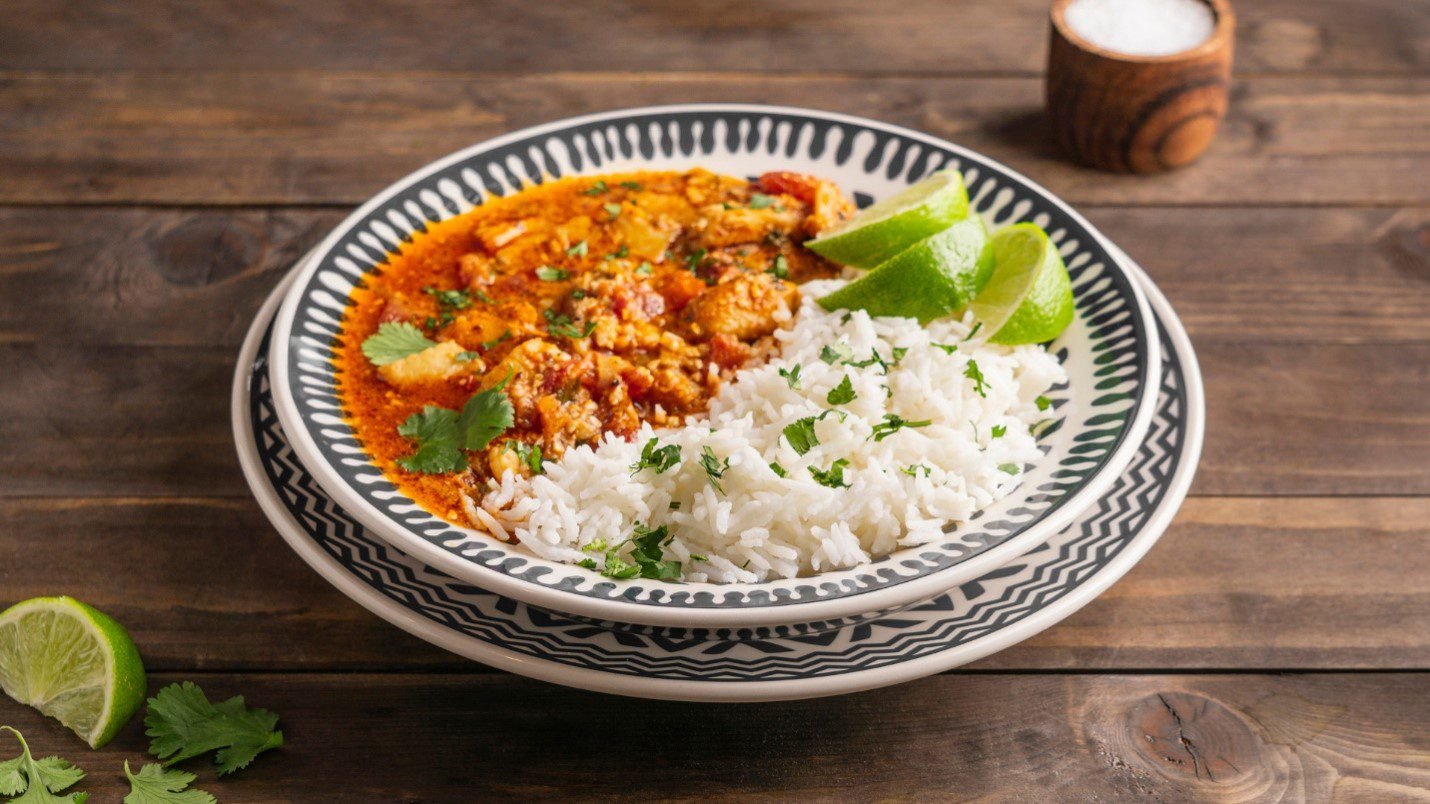
Some meals are all about taking your time, but others you can prepare in no time, full of flavor and richness. This One Pot Chickpea Coconut Curry Recipe falls in the second category. It is hearty, fragrant, and packed with chickpeas, vegetables, and aromatic spices, all brought together in a silky coconut-based sauce.
What makes this recipe convenient is that it can be cooked in a single pot, so very little preparation is required and even less cleanup afterwards. You can serve it with fluffy rice or warm naan for a comforting, meat-free meal that satisfies everyone at the table.
One Pot Chickpea Coconut Curry Recipe: Ingredients You Will Need
This curry is prepared from a handful of simple ingredients rather than a long list of complicated spices. The chickpeas make it hearty, and coconut milk gives a mellow richness that works well with warm vegetables and spices.
- 2 cans (15 oz / 425 g each) chickpeas, drained and rinsed
- 1 tablespoon olive oil
- 1 medium yellow onion, diced
- 3 cloves garlic, minced
- 1 tablespoon fresh ginger, grated
- 1 red bell pepper, diced
- 1 medium carrot, sliced
- 1 can (14 oz / 400 ml) full-fat coconut milk
- 1 cup (240 ml) vegetable broth
- 1 cup (240 g) diced tomatoes
- 1½ tablespoons curry powder
- 1 teaspoon ground cumin
- ½ teaspoon ground turmeric
- ½ teaspoon smoked paprika
- ½ teaspoon red pepper flakes, optional
- 1 tablespoon fresh lime juice
- Salt and freshly ground black pepper, to taste
- 2 tablespoons fresh cilantro, chopped, for serving
One Pot Chickpea Coconut Curry Recipe: Ingredient Tips
- Canned chickpeas are the quick and convenient option for the recipe. Rinse them well before removing the canned flavor.
- Use the full-fat coconut milk for an extra rich texture. If you have light coconut milk available, you can add it, but your dish will be noticeably thinner.
- Various curry powders available in the market differ in strength. Start by adding a little, then adjust it to taste.
- Freshly grated ginger gives curry a brighter and warmer flavor as compared to dried ginger.
- Choose low-sodium broth for the recipe as it will give an extra depth and allow you to control the salt yourself.
- Fresh lime juice is added at the end to balance the richness of coconut milk and brighten the spices.
How to Make One Pot Chickpea Coconut Curry: The Recipe
Creating delicious one-pot chickpea coconut curry is straightforward. Just follow these easy step-by-step instructions to whip up a flavorful meal that’s both hearty and satisfying.
Step 1: Sauté the Aromatics
Heat the olive oil in a large pan or skillet over a medium heat. Add the diced onion. Cook for 3-4 minutes with occasional stirring until softened or light golden.
Add the minced garlic and freshly grated ginger to the pan and cook them for another 30 to 45 seconds while stirring constantly. You should be able to smell the garlic and ginger, but be careful not to let them brown. This aromatic base provides much of the curry’s warmth and depth.
Step 2: Cook the Vegetables
Add the vibrant diced bell peppers and the crisp, sliced carrots to the pot. Allow them to sauté for about 4 to 5 minutes, stirring occasionally. The vegetables should soften slightly, becoming tender while still maintaining a delightful crunch that adds texture to the dish.
Step 3: Toast the Spices
Add the curry powder, cumin, turmeric, smoked paprika, and red pepper flakes to the pan. Stir everything together and cook for 30-60 seconds. This step helps release the natural oils in the spices and gives curry a deeper flavor.
Step 4: Add the Curry Base
Pour in the coconut milk and vegetable broth, then add the diced tomatoes. Stir everything well and bring the mixture to a gentle simmer.
Step 5: Add Chickpeas
Stir in the drained chickpeas and season with salt and black pepper. Reduce the heat to low and cover the pot partially. Allow it to be cooked for 15-20 minutes. Stir occasionally till the sauce becomes a bit thicker, the chickpeas are tender, and the vegetables are fully cooked without becoming mushy.
Step 6: Finish the Curry
Remove the pot from heat and stir in fresh lemon juice. Taste and adjust the seasoning if needed. Scatter some fresh cilantro on top and serve with rice or naan.
One Pot Chickpea Coconut Curry Recipe: Chef’s Tips
This curry is very easy to make, but a few simple tips can make the finished dish much better.
- Don’t rush the onions: Let the onions cook until they develop the light golden color before adding ginger and garlic. This will help create a sweeter and deeper base for the curry.
- Mash a few chickpeas into the sauce: Before the end of the recipe, mash a few chickpeas against the sides of the pot. They will release the starch that will make the curry thick naturally.
- Keep the simmer gentle: A hard boil will make the coconut milk separate and can leave the vegetables softer than required. A gentle simmer gives the sauce time to develop while keeping everything intact.
- Don’t skip lime at the end: A fresh lemon squeeze balances the richness and spices in the recipe, so don’t skip it.
How to Store and Reheat Leftovers?
This curry is one of those meals that holds up particularly well after cooking. The spices have more time to mingle; chickpea soak up the liquid flavors even better.
Storing Leftovers
Let the curry cool down completely before transferring it to an airtight container. You can refrigerate it for up to 4 days. You can also freeze it for up to 3 months. Thaw it overnight before reheating.
Reheating
Gently warm the curry over low to medium heat, stirring occasionally. If the sauce has thickened too much, you can add a splash of warm water or vegetable broth. Alternatively, you can reheat it in a microwave oven in short intervals.
One Pot Chickpea Coconut Curry Recipe: Final Thoughts
One Pot Chickpea Coconut Curry is a delicious reminder that you can enjoy a hearty and satisfying meal without meat. The chickpeas make the dish filling, while the combination of coconut, tomatoes, ginger, garlic, and spices creates a tasty sauce that feels rich without being too heavy.
You can serve this curry over rice for a comforting meal, or pair it with naan to soak up every bit of the sauce. The recipe is also very flexible; feel free to add more vegetables, turn up the heat with spices, or switch out herbs to suit your preferences.
If you decide to make this curry, we’d love to hear what you think or if you have any questions. We hope this becomes one of those easy recipes that you turn to whenever you want something warm, tasty, and simple to prepare!