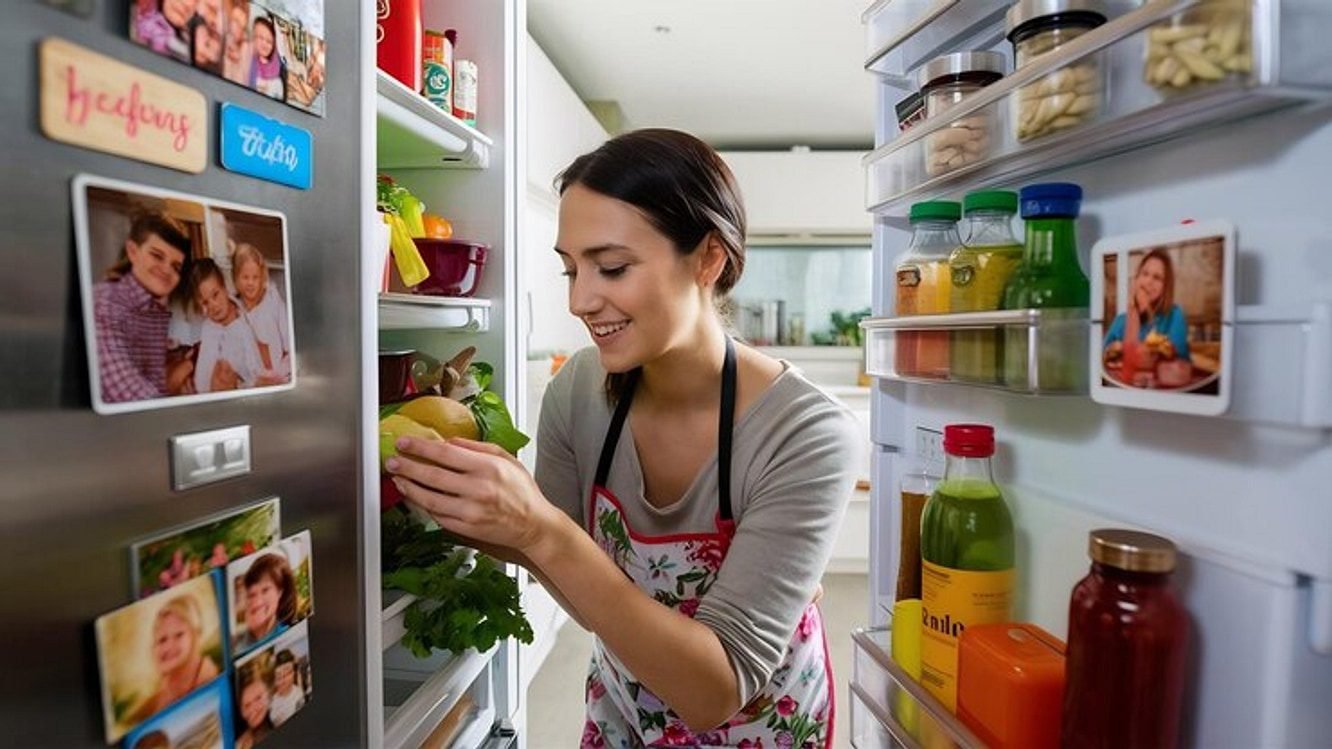
Do you need correct fridge organization tips? Here we are. Having an organized fridge helps you cook faster, waste less food and transforms everyday routines into calmer experiences. With simple systems in place you can keep your ingredients visible, fresh and ready to go without having to take time digging around cluttered shelves.
Begin With an Empty Clean Slate
Pull everything out of the refrigerator and examine each shelf, drawer and door bin individually. Look closely at what you own, what could use a good cleaning, and what’s been hiding long enough to go bad.
Give all surfaces a quick wipe down with warm soapy water or gentle kitchen cleaner and dry thoroughly before replacing food. Not only will your fridge feel more spacious with clean shelves, but stray sticky messes will be less likely to soak in and create recurring problems.
Sort everything into like groups and discard expired, stale, or unidentified containers. Starting over provides a more realistic perspective of your habits and will make future organization decisions easier.
Keep Organization Easy With Zones
Your refrigerator will run smoother when everything has its own designated zone. Refrigerator zones help your family know where to find – and restock – groceries, which makes cooking quicker and cleaner.
- Dedicate one shelf to dairy products like milk, yogurt and cheese.
- Store your cooked leftovers on one shelf to avoid losing them behind fresh groceries.
- Keep fruits and veggies in produce drawers.
- Reserve a zone for condiments and jars.
- Put snacks in reach if you have kids or grab-n-go meals.
- Reserve the top shelf for out-of-the-way storage.
When everyone pushes groceries in the same place it’s easier to see when you run low. Another benefit of establishing zones is that they become second nature; regulating the rest of your kitchen in the process.
Group Containers With Like Food
Grouping similar food together inside clear containers makes bulging packages easier to scan at a quick glance. They also keep small items from rolling around the shelves and taking over while enabling you to remove an entire category at once for easy cleaning or tossing.
Pick containers that stack without wasting precious vertical space. Odd-shaped leftovers from take-out restaurants are more difficult to organize than uniform squares and rectangles.
Consider labeling if your family stores like foods together. Simple labels eliminate guessing and remind everyone to return containers to the same place after use.
Learn Where Items Should Live
Did you know there’s a right and wrong place for food in the refrigerator? Temperature varies from shelf to shelf so knowing where each item lives is one of the quickest ways to keep your fridge tidy.
- Store raw meat on the bottom shelf in sealed containers to avoid drips.
- Place eggs in their perfect fit for your refrigerator model. The door isn’t always ideal!
- Store drinks in door bins if they will be accessed frequently.
- Keep leftovers on the middle shelves where they’ll be visible.
- Store herbs towards the front so they don’t get forgotten.
- Keep soft fruits separate from hard items that could squash or bruise them.
When everything lives in its proper place you’ll notice food lasts longer and cooking is less chaotic. It’s also easier to spot problem areas before they become cluttered.
Maximize Your Door Space
Your refrigerator door is convenient but it’s also the warmest area of your fridge. Avoid storing dairy or other highly perishable food on the door if they’ll expire faster.
Door storage works best for foods that don’t mind the heat, like condiments, jams, pickles, juices, or any food you open multiple times each day. Instead of filling every nook and cranny with small dairy bottles opt for maximizing door bins with items you reach for daily.
Avoid cluttering your door with tiny bottles and bags. A lighter setup will keep everything visible, and accessible.
Give Fruits and Vegetables Priority
Produce gets lost because it either gets tucked away in drawers or gets shoved behind heavier grocery bags. Having your fruits and veggies visible will help ensure they’re eaten before wilting or softening beyond consumption.
Intentionally use crisper drawers to separate high and low humidity foods when possible. Don’t force apples on top of delicate leafy greens and protect berries from excess moisture that can cause them to spoil faster.
If your fridge has extra deep drawers try not to stack fruits and vegetables too tightly together. Giving each veggie some breathing room promotes air circulation and allows you to quickly scan for old produce before buying more.
How Often Should You Cleanse?
You don’t need to rearrange your fridge every week, but checking in every few days can prevent overcrowding. Mini resets help you avoid the big sticky messes and keeps expired food from crowding your shelves.
Take five minutes before you go grocery shopping to assess leftovers, wipe down spills and move old containers forward. This small act of mindfulness allows you to practice FIFO (first in first out) so you eat food at it’s freshest.
If your schedule doesn’t allow for frequent fridge cleans try picking one day a week that you can spare ten minutes. Short routines are easier to maintain than overwhelming deep cleaning sessions.
Create Simple Habits You Can Follow
There’s no use in creating an organizing system that nobody in your family will maintain. Simple habits are sustainable and teach your family to put just as much care into keeping your kitchen sparkling as you did when it was new.
- Put food away where it belongs after each use.
- Look at labels before buying duplicates of what you already own.
- Rotate older groceries to the front when you unload the dishwasher.
- Designate at least one open spot for leftovers.
- Clean up messes as they happen if possible.
- Take a minute to assess your refrigerator before every grocery run.
Small steps like these protect your organizational system from falling back into bad habits. Before you know it, maintaining a tidy kitchen becomes effortless and feels less like a chore.
Refrigerator Habits That Free up Space
If you have a small refrigerator (or just want it to feel bigger) try these easy habits to free up space. Proper storage isn’t about cramming as much food in as possible, it’s about maximizing every inch.
Too often we overload shelves without realizing how much harder cleaning becomes or how food gets consumed behind large containers. Not only will leaving some space between rows allow for better air flow, but it also makes defrosting your refrigerator that much easier.
Think up instead of wide when you can. Stackable bins or trays create layers instead of stacking groceries one on top of the other. A well thought out plan allows you access today and limits forgotten food tomorrow.