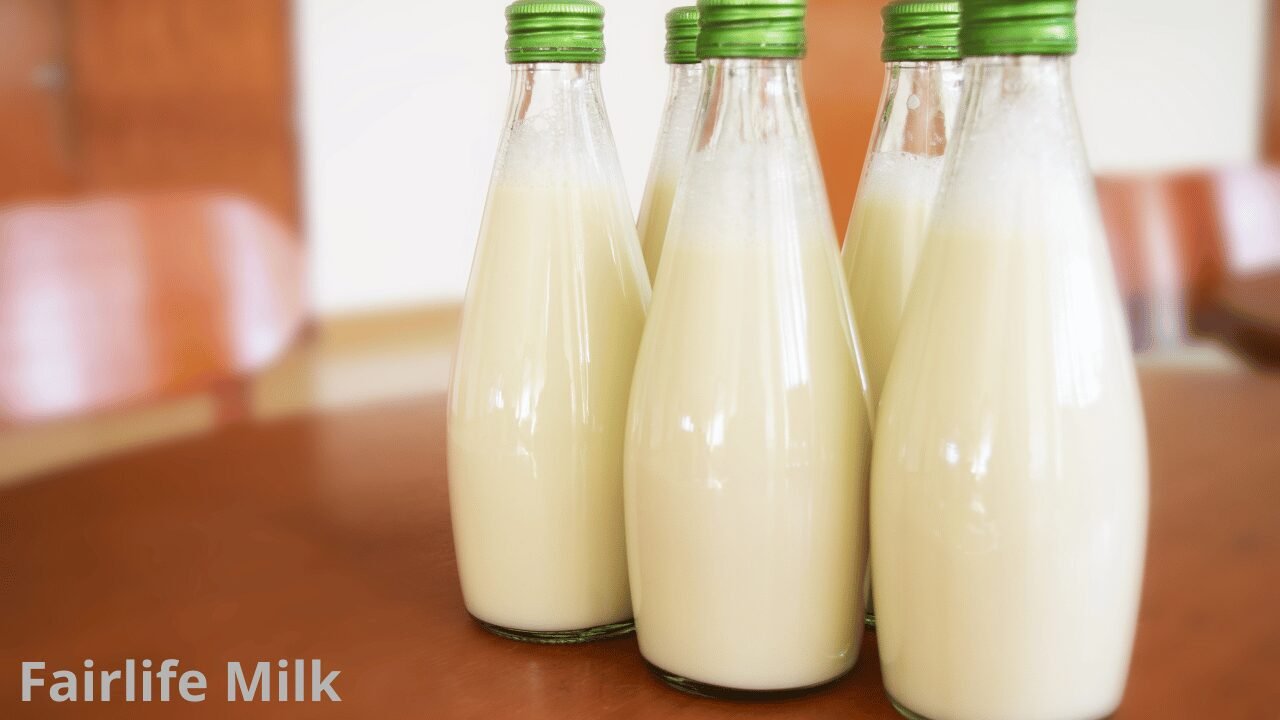
Quick answer: It depends on the product. According to fairlife’s U.S. guidance, its 52 fl oz ultra-filtered milk needs refrigeration even before opening. Its 14 fl oz ultra-filtered milk can be stored at room temperature unopened, but needs refrigeration after opening. Always check your bottle’s label.
Do not rely on the brand name alone. Identify the exact product, its size, and whether the seal has been opened.
Storage Before and After Opening
| U.S. ultra-filtered milk product | Before opening | After opening |
|---|---|---|
| 52 fl oz bottle | Keep refrigerated | Keep refrigerated |
| 14 fl oz bottle | Room-temperature storage permitted | Keep refrigerated |
The manufacturer recommends consuming both sizes within 14 days after opening when properly refrigerated. Check the package date and any updated instructions.
Core Power and Nutrition Plan are separate product lines. Use their own labels rather than assuming this milk table applies to every fairlife drink. Products sold in other countries may also carry different instructions.
Why the Product Label Matters
“Ultra-filtered” describes processing; it is not a universal instruction to store milk in the cupboard. Packaging and heat treatment also matter.
Before putting a bottle away, check for “keep refrigerated” or “refrigerate after opening.” Keep that information visible if you organize bottles in a refrigerator bin.
If the label and an online article appear to disagree, contact the manufacturer about the specific bottle rather than guessing.
A Simple Routine After Opening
Write the opening date on the bottle. Return it to the refrigerator promptly after pouring, and avoid leaving it beside the cereal bowl throughout breakfast.
Keep the refrigerator at 40°F (4°C) or below. A refrigerator thermometer helps confirm the actual temperature.
The recommended storage period assumes proper handling. It does not guarantee that milk remains safe after being left warm or otherwise mishandled.
What If Refrigerated Milk Is Left Out?
For milk requiring refrigeration, follow the FDA’s two-hour limit outside refrigeration, reduced to one hour when temperatures exceed 90°F (32°C).
This applies to opened milk and products that require chilling before opening. It should not be confused with unopened products specifically labeled for room-temperature storage.
Discard refrigerated-type milk that has exceeded these limits. Chilling it again does not undo unsafe storage.
Should You Taste Milk to Check Whether It Is Safe?
No. Do not taste questionable milk as a safety test.
Unexpected curdling, a persistent unpleasant smell, or other suspicious changes are reasons not to use it. However, normal appearance and smell cannot prove that milk is safe.
If you are uncertain about a bottle, note its product name, date, and batch code before contacting the manufacturer. Do not rely on sensory checks to override a known storage problem.
Can You Freeze Fairlife Milk?
Fairlife does not recommend freezing its ultra-filtered milk because texture and taste can change.
If you regularly struggle to finish a bottle, consider buying a smaller quantity or planning its use before opening. Marking the date is more useful than trying to remember which shopping trip it came from.
Keeping the Instructions Straight
The easiest approach is to check three things: the exact product, whether it is open, and the directions on its packaging.
Once those are clear, storage becomes straightforward. Keep the label available, record the opening date, and treat the recommended period as conditional on proper refrigeration.
Sources and Further Reading
- Fairlife: Official Frequently Asked Questions — U.S. product-specific storage, after-opening guidance, and freezing advice.
- FDA: Are You Storing Food Safely? — refrigerator temperatures and handling of perishable foods.