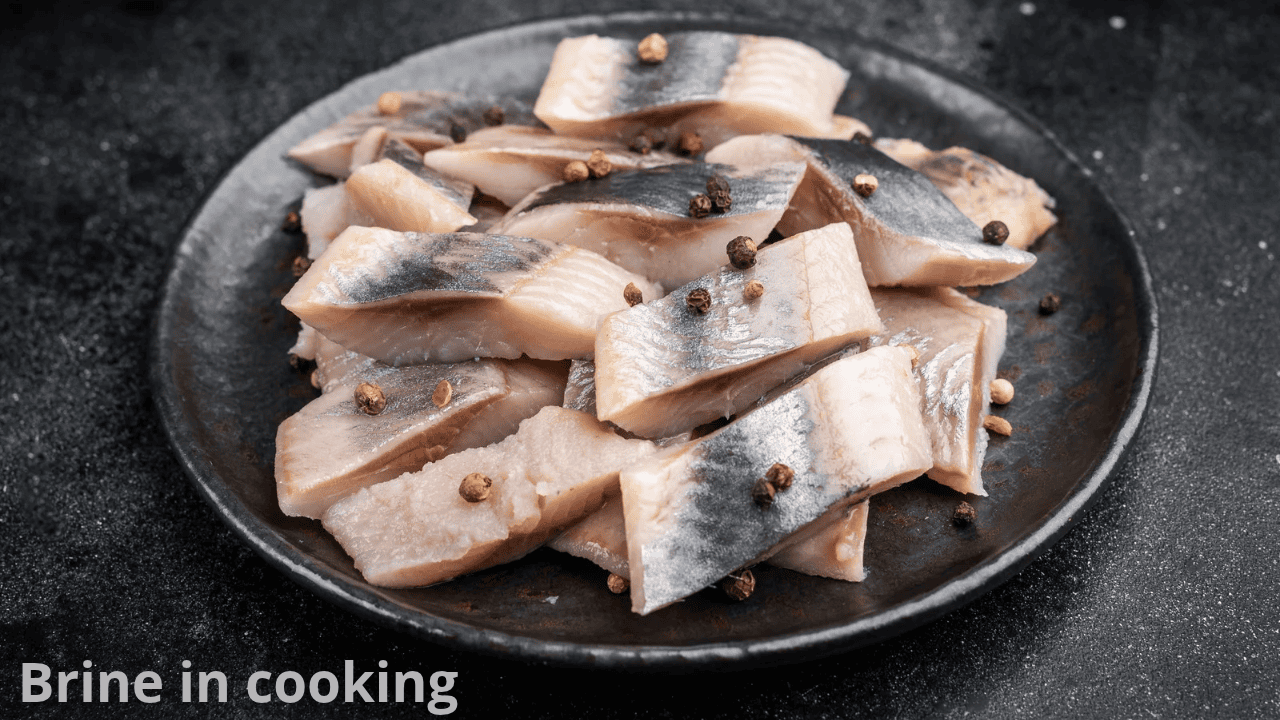
When a recipe tells you to brine chicken or turkey, it is asking you to season the food before cooking using salt and time.
A brine is a solution of salt dissolved in water. To brine food means to soak it in that solution. Some recipes include sugar, herbs, or spices, but salt and water form the basic wet brine.
Brining can improve seasoning and help meat retain moisture during cooking. It is a preparation technique, however—not a substitute for refrigeration or proper cooking. ask.fsis.usda.gov
What Does Brining Do to Meat?
Salt affects muscle proteins in ways that help reduce moisture loss during cooking. This can make the finished meat juicier and more evenly seasoned.
It does not mean that brined meat cannot dry out. Cooking temperature and timing still matter, so treat brining as one part of preparing a good meal rather than protection against overcooking.
Sugar is optional. It can balance flavor and encourage browning, but you do not need to add it for a saltwater brine to work. ask.fsis.usda.gov
Wet Brining and Dry Brining: What Is the Difference?
The two methods use salt differently.
| Method | What you do | Practical consideration |
|---|---|---|
| Wet brining | Submerge the food in a measured saltwater solution. | You need refrigerator space for both the food and its container of liquid. |
| Dry brining | Apply a measured amount of salt directly to the food and refrigerate it. | There is no large volume of added water to manage. |
During dry brining, salt draws moisture to the surface and dissolves in it, creating a concentrated solution from the food’s own moisture.
The salt quantities and timings are not interchangeable. Choose instructions written for the method and cut you intend to use. ask.fsis.usda.gov
How Much Salt Goes into a Brine?
There is no single concentration that suits every food and soaking time. Follow a reliable recipe that specifies the salt, water quantity, type of food, and duration.
As one poultry-specific example, USDA guidance uses 3 tablespoons of table salt per US quart of water, equivalent to ¾ cup per US gallon. This is an example of a measured brine, not a universal formula for every ingredient. ask.fsis.usda.gov
A brine does not need to be saturated. You should not keep adding salt until no more will dissolve.
When a recipe gives salt by weight, use a kitchen scale. When it gives tablespoons or cups, use the specified salt type: differently sized crystals can pack differently into the same measuring spoon.
How to Wet-Brine Poultry Safely
Start by choosing a recipe for the particular poultry cut you are preparing. Then organize the process before handling the raw meat.
- Choose a suitable container. Food-grade plastic, glass, or stainless steel are appropriate options. Make sure the covered container fits inside your refrigerator.
- Prepare and chill the brine. Dissolve the measured ingredients. If you heat the mixture, cool and refrigerate it before adding poultry.
- Submerge the poultry. Use enough prepared brine to cover it, then cover the container.
- Keep it refrigerated. Maintain a temperature of 40°F (4°C) or below throughout the soaking period.
- Follow the recipe’s timing. Do not automatically leave every cut overnight.
- Remove the poultry and discard the liquid. Used brine should not become another batch of brine or a sauce. ask.fsis.usda.gov
Brining also counts toward the poultry’s refrigerated storage time. USDA guidance allows fresh or thawed poultry up to two days in the refrigerator; soaking it does not restart that clock. ask.fsis.usda.gov
Should You Rinse Chicken After Brining?
Do not make rinsing raw poultry a routine step. Washing can splash raw juices onto nearby surfaces, utensils, and other foods.
Instead, remove the chicken carefully, let excess brine drain away, and pat the surface dry with disposable paper towels when needed for your cooking method. Wash your hands and clean any surfaces that contacted the raw poultry.
Brining, soaking, and rinsing do not make raw chicken safe to eat. Proper cooking is still necessary. dunn.extension.wisc.edu
Is Brining the Same as Marinating?
The techniques overlap, but their emphasis differs. A basic brine centers on salt dissolved in water. A marinade may combine seasonings with ingredients such as oil, yogurt, wine, or citrus juice.
A salty marinade can also have a brining effect. The name of the mixture matters less than its ingredients and the instructions accompanying it.
For either method, keep raw meat, poultry, and seafood refrigerated. Adding lemon juice or vinegar does not justify leaving the container on the kitchen counter. FoodSafety.gov
Is Brining a Way to Preserve Food?
The short soak used before roasting chicken or cooking pork should not be treated as a preservation method.
Curing, fermentation, and other preservation processes require their own carefully controlled instructions. An ordinary cooking brine does not establish that food is safe for extended storage.
For this guide, think of brining as seasoning before cooking. Keep the food cold, respect its original storage limits, and cook it appropriately.
A Simple Place to Start
If brining is new to you, choose one clearly written recipe and follow its measurements and timing before experimenting.
Make a note of the salt used, how long the food soaked, and whether the finished dish needed additional seasoning. Those small observations are more useful than adding extra ingredients at random—and they make the next attempt easier to judge.