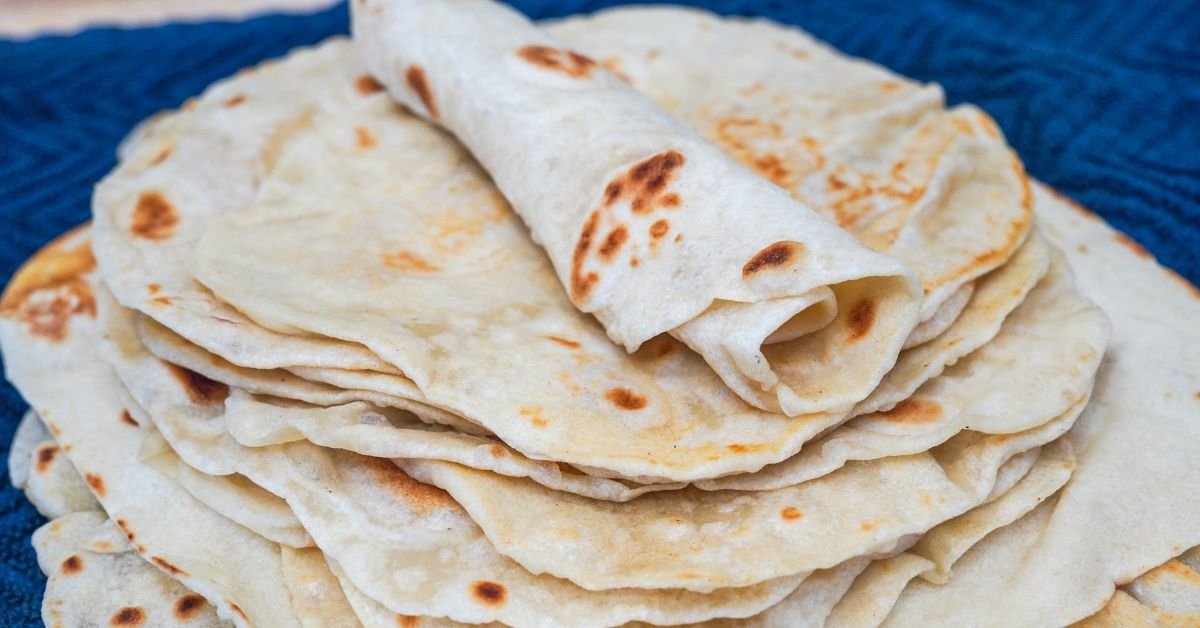
I’ve been experimenting with sourdough tortillas lately, and I’ve found that they’re not only simple to make but also incredibly versatile. The process starts with just a few basic ingredients, and the flavor develops beautifully during a long rest. I can’t wait to share the steps with you, especially how to achieve that perfect char in a hot skillet. Trust me; you’ll want to try these for your next meal.
Sourdough Tortilla Preparation Steps
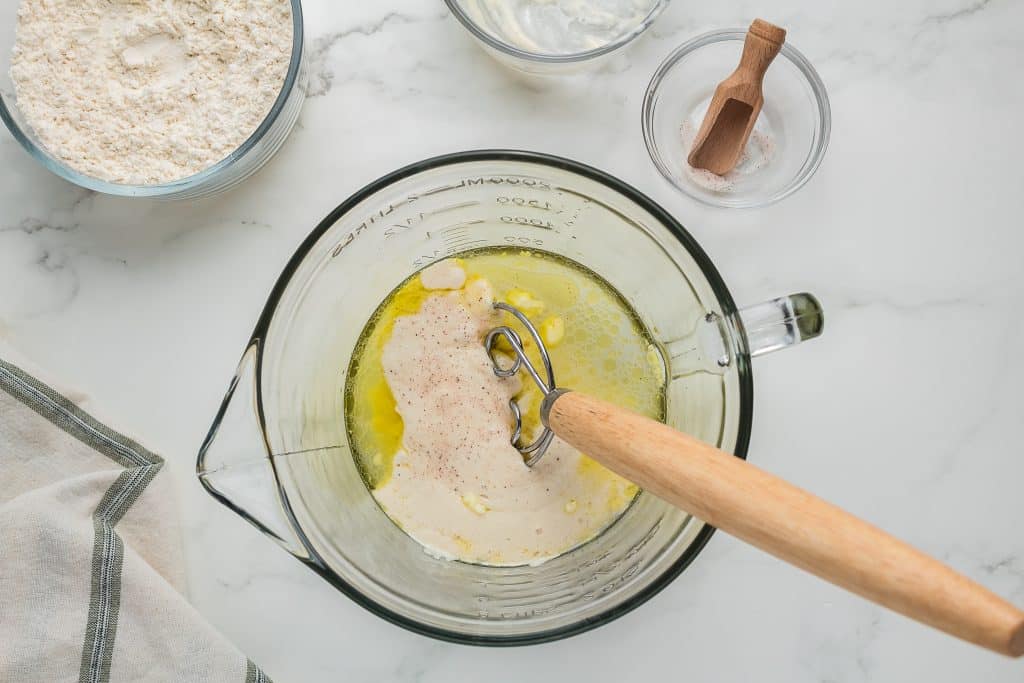
Ingredients:
- 2 cups unbleached all-purpose flour or whole wheat flour
- 1 cup active sourdough starter or sourdough discard
- ¾ cup room temperature or warm water
- 2 tablespoons extra virgin olive oil (or other healthy oil)
- 1 teaspoon Himalayan salt or fine sea salt
Cooking Instructions:
- In a large mixing bowl, combine the flour and salt, mixing well to ensure there are no lumps.
- Add the active sourdough starter and olive oil to the flour mixture. Gradually pour in the warm water as you mix with a spatula or wooden spoon until a shaggy dough forms.
- Transfer the dough to a lightly floured surface and knead for about 2-3 minutes using a mixer, or 5 minutes by hand until the dough is smooth and slightly elastic.
- Place the kneaded dough in a greased bowl and cover it with a tea towel or plastic wrap. Allow it to rest at room temperature for 12-24 hours. An active sourdough starter or discard can be used to enhance the flavor and texture of your tortillas.
- After resting, divide the dough into 12-16 equal pieces and shape each piece into a ball. Let the balls relax for 30 minutes.
- Preheat a cast iron skillet over medium-low heat until very hot.
- On a lightly floured work surface, take one dough ball and roll it out into a thin round, about 1/4 inch thick or 6 inches in diameter, using a rolling pin.
- Once the skillet is hot, place the rolled tortilla on it and cook for about one minute until bubbles form on top and the bottom is slightly charred. Flip and cook the other side for another minute.
- Remove the cooked tortilla from the skillet and wrap it in a kitchen towel to keep warm. Repeat the process for the remaining dough balls.
Extra Tips:
When making these sourdough tortillas, I find that using the right flour makes a big difference in texture and flavor.
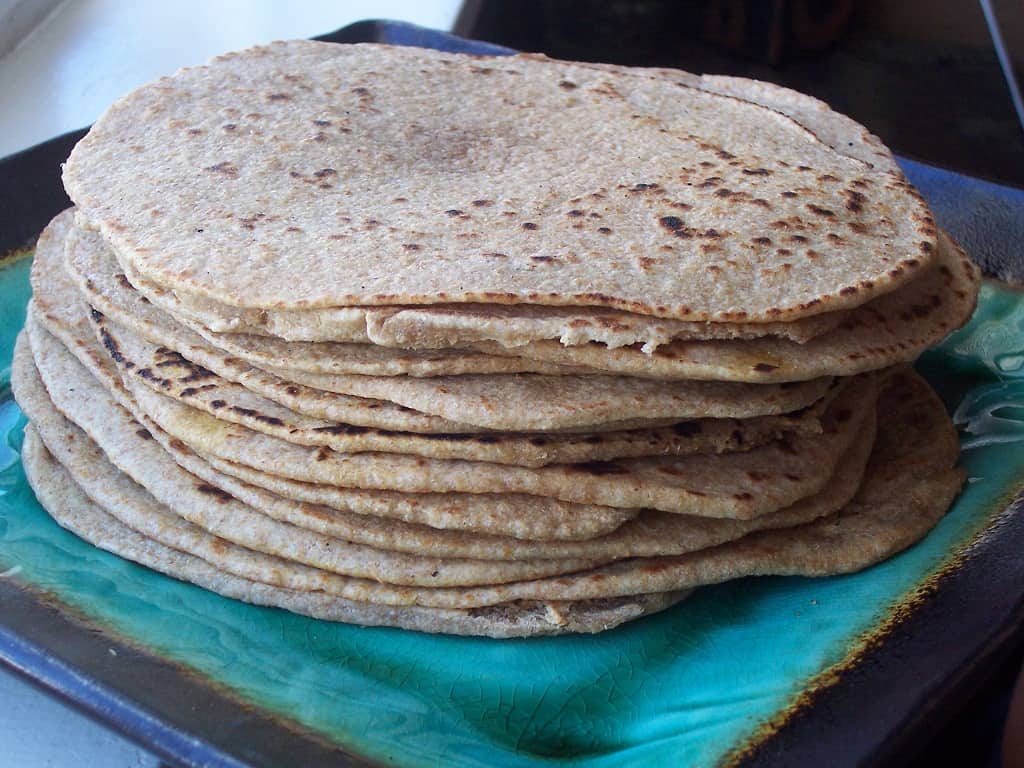
If you prefer lighter tortillas, stick with all-purpose flour; however, whole wheat flour gives a nuttier taste and is more nutritious.
Don’t be afraid to experiment with different oils, as they can add unique flavors to your tortillas.
Also, remember to keep an eye on the skillet’s temperature; if it’s too hot, your tortillas can burn quickly.
Lastly, storing them properly ensures they stay fresh longer—wrap them in a towel or freeze them with wax paper in between!
Ancient Flatbread Origins
While many of us enjoy the deliciousness of flatbreads today, their origins trace back thousands of years to ancient civilizations.
It’s fascinating to think about how flatbread has been a staple in diets since around 12,400 B.C.! Here are some intriguing points about its history:
- Evidence of flatbread dates back to Ancient Egypt, Mesopotamia, and the Indus civilization.
- The Natufians, from 12,500 to 9,000 B.C., are credited with its invention.
- Flatbread played a key role in transitioning from hunter-gatherer to agricultural societies.
- It developed independently in regions like the Fertile Crescent and Mesoamerica.
- Archaeological findings hint that flatbread was part of diets even before agriculture became widespread. Additionally, flatbread has been consumed for thousands of years, showcasing its enduring presence in human diets.
Isn’t it amazing how such a simple food has such deep roots?