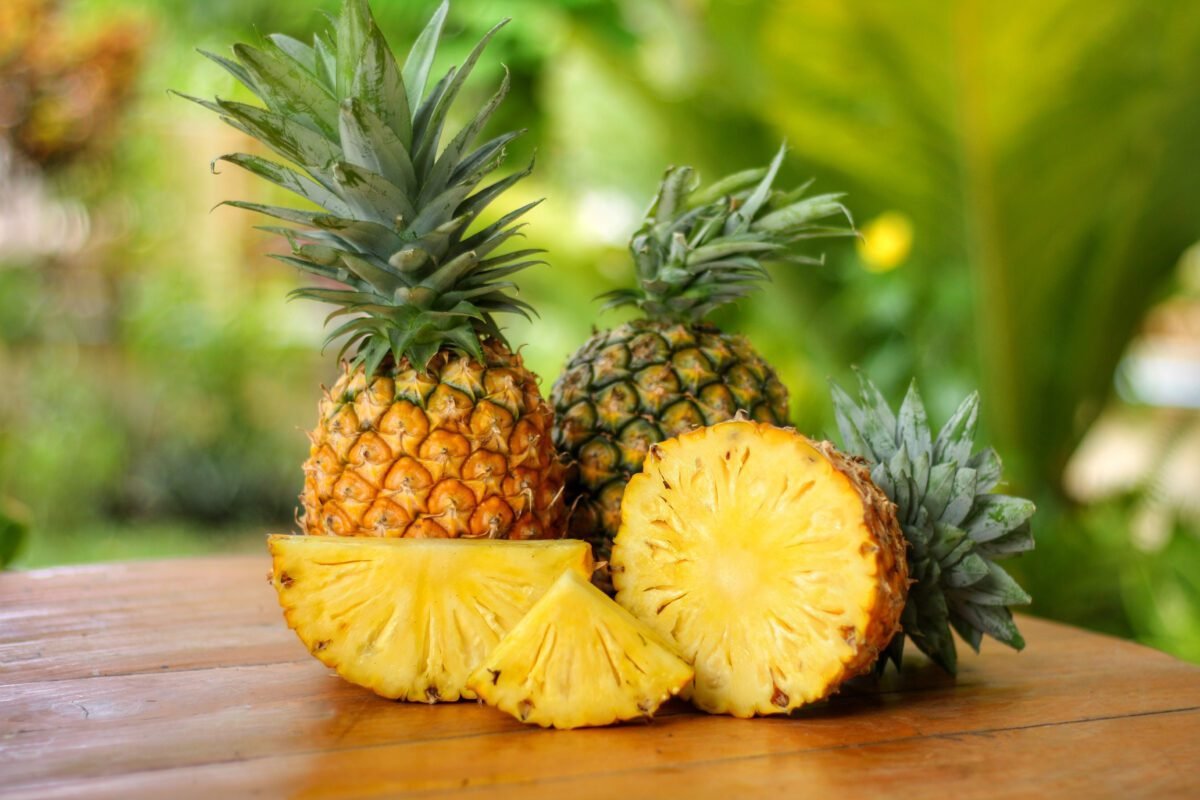
Pineapples are so much more than just a delicious, juicy treat! Did you know that these tropical fruits have amazing health benefits too? From aiding in digestion to boosting your immune system, there are plenty of reasons why adding pineapples to your diet is one of the best decisions you can make for yourself. Read on to find out why this sweet and tangy delight is good for you!
Nutritional Benefits of Pineapple
Pineapple is a delicious and nutritious fruit that has many benefits for human health. It contains beneficial compounds, vitamins, minerals, and dietary fiber that can help improve the overall well-being of an individual.
The nutritional content of pineapple makes it a great choice for those looking to get more nutrients into their diet without having to consume large amounts of food. Pineapple is rich in vitamin C, which helps boost immunity and promote healthy skin, hair, eyesight and digestion. Additionally, it contains manganese which helps with bone formation as well as aiding in normal brain function. The bromelain enzyme found in pineapple also aids digestion by helping break down protein molecules quickly making them easier to absorb within the body.
In addition to these important vitamins and minerals there are several other components that make this tasty fruit so beneficial for human health such as its high levels of dietary fiber which can help lower cholesterol levels while promoting good digestive health at the same time. Lastly pineapple juice is packed with antioxidants like beta-carotene which help protect cells from free radical damage caused by environmental toxins or natural aging processes making this fruit a great way to get antioxidants into your diet naturally without supplements or medication!
Overall eating pineapple on a regular basis offers numerous benefits as part of an overall healthy lifestyle; whether eaten fresh or juiced pineapples offer not only delicious flavor but essential nutrition too!
Preparation Tips for Pineapples:
Picking out the perfect pineapple can be a daunting task, but following these preparation tips will ensure you get the best tasting and most nutritious fruit every time.
When shopping for pineapples, look for ones that have a deep golden-yellow color all over. Avoid any with soft spots or bruises as they won’t keep well and may not be ripe yet. The leaves should also be green and firm to the touch – if they’re browning at all, it means the fruit is past its prime. Also take into account how heavy it feels; this indicates juiciness and freshness.
Before cutting up your pineapple, give it a wash in cold water to remove any dirt or bacteria from the outside of the skin. It’s important to use only a clean sharp knife when slicing up your pineapple so as not to spread any harmful germs around your kitchen countertops or onto other foods in your refrigerator later on. Cut off both ends first then slice away each side of skin until you are left with just fleshy parts – discarding all pieces containing eyes which tend to make things bitter once cooked or eaten raw.
Once cut into chunks, store them inside an airtight container in order to maintain their flavor and texture while keeping them safe from spoilage by other items in the fridge such as garlic or onions which could add unwanted odors if stored together without proper protection against moisture loss due do incorrect storage techniques like leaving lids off containers etcetera… Additionally freezing pre-cut pieces is another great way preserve them without compromising taste quality since freezing locks in nutrients naturally found within fruits like Vitamin C content thus making sure none go missing during long periods spent inside freezers!
Choosing and Purchasing the Right Pineapple
Pineapples are a flavorful, juicy fruit that can be enjoyed in many different ways. When choosing and purchasing the right pineapple, it is important to consider several factors.
The exterior of a ripe pineapple should appear vibrant with healthy-looking green leaves at the top and golden-yellow skin on its sides; any brown spots or discoloration indicate that the pineapple may not be as fresh. The size of the pineapple depends on personal preference; smaller pineapples tend to have more intense flavor compared to larger ones, but they also yield less edible flesh. It is best to avoid pineapples with soft areas as this indicates spoilage from overripeness or bruising from mishandling during transport. Additionally, when selecting a whole pineapple, pressing gently on its base should feel slightly firm and springy – an overly hard texture suggests unripeness while too much give means overripeness.
Once you’ve found an acceptable specimen among your options, pick it up so you can get a sense of its weight relative to other pineapples in the store — heavier fruits usually contain more juice than lighter ones do — before bringing it home for consumption or further preparation if necessary. If you want additional assurance that your chosen selection will make for good eating later down the line, check out reviews online about what kind of results customers have had with different varieties available at that particular store; this step may take some extra time but could save disappointment after investing in an unsatisfactory product.
Ultimately by taking these steps into consideration when selecting and purchasing your perfect Pineapple you will ensure yourself maximum enjoyment upon consumption!
Pineapple Cutting, Peeling, and Storing Methodology
When it comes to cutting, peeling, and storing pineapple there are several techniques that can be used. The primary goal is to ensure the pineapple remains as fresh and delicious as possible.
Begin by selecting a ripe pineapple, looking for one with bright yellow skin and green leaves at the top of its crown; this indicates that it’s ready to eat! Next remove the spiky leaves from the top of the fruit by twisting them off in a counter-clockwise motion, being careful not to tear any of them away prematurely. Now use a sharp knife or kitchen shears to slice off each end of the fruit before cutting down along either side towards its core until all four pieces have been removed.
Once separated from its fibrous center you can begin peeling back each section using your fingers or a vegetable peeler – whichever method works best for you! Make sure no remaining tough outer shell is still clinging on so only sweet juicy flesh remains underneath. Finally cut each piece into wedges (or whatever shape desired) before transferring onto an airtight container or covered plate if consuming right away – otherwise store in refrigerator up to 3 days maximum for optimal quality.
By following these steps correctly you will be able to enjoy every last bit of sweetness found inside your freshly cut pineapple while also ensuring proper storage methods are followed so they remain edible over time! So go ahead – grab yourself some pineapples today and get slicing!