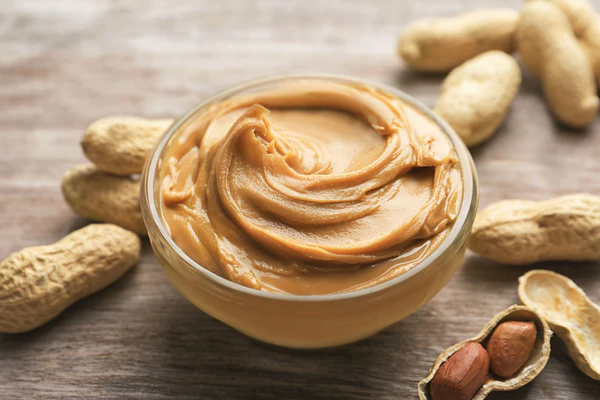
Are you looking for a snack that is both nutritious and delicious? Look no further than peanut butter! Peanut butter is rich in protein, healthy fats, and essential vitamins and minerals. Not only does it provide many health benefits but it can also be enjoyed in a variety of recipes to suit any taste buds. Read on to learn why adding more peanut butter into your diet could be beneficial for your health!
Health Benefits of Peanut Butter
Peanut butter is one of the commonplace pantry staples in many homes today. It’s a great choice when it comes to making healthy snacks as peanut butter has several health benefits, including being a good source of protein and fiber. It can also help with weight loss, control blood sugar levels and reduce inflammation.
As an excellent source of protein, adding peanut butter to your daily diet can help you stay full longer throughout the day. Protein helps build muscle mass which aids in helping burn more calories throughout the day than if you don’t have enough protein intake. This makes it a great snack for those looking to lose weight or maintain their current physique while still enjoying its delicious taste! Peanut butter is high in monounsaturated fats that promote heart health as well as magnesium and potassium that aid in controlling blood pressure levels by reducing sodium absorption from other foods consumed during meals or snacks.
Rich in dietary fiber, consuming peanut butter helps slow down digestion which allows for better management of glucose levels within the bloodstream- this is important for people who suffer from diabetes or are pre-diabetic (insulin resistant). The magnesium found in peanuts also helps regulate insulin secretion which further contributes towards regulating glucose levels within our body’s cells – another reason why having some form of nut based spread regularly on toast/crackers/fruit etc., makes sense! Additionally, due to its phosphorus content assisting with red blood cell production; vitamin E aiding skin protection against UV radiation; zinc warding off signs & symptoms related to eye diseases like cataracts & glaucoma…consuming natural organic peanut butter may be beneficial for overall wellbeing too!
The anti-inflammatory properties present within peanuts make them ideal for fighting certain types of cancerous tumours – specifically prostate cancer cells when combined with treatments such as chemotherapy or radiotherapy sessions during recovery process(es). Furthermore; research studies have recently uncovered how incorporating some amount into our diets daily could reduce risk factors associated with conditions: osteoporosis, Alzheimer’s disease & even Parkinson’s Disease! All these benefits show us just how powerful this simple ingredient really is – so go ahead fill up that jar before running out again soon…
Protein Content of Peanut Butter
Peanut butter is a staple breakfast food in many households around the world. It’s delicious, versatile and boasts an impressive nutrient profile. One of its main attractions is its high protein content, which makes it a great snack choice for those looking to hit their daily intake goals.
When it comes to determining the exact protein content of peanut butter, it can vary depending on the type you buy and how much you eat. For example, a serving size of two tablespoons of regular peanut butter contains seven grams of protein – that’s about 13% of your recommended daily value (DV). Peanut butters labeled as “natural” or made with no added salt are typically higher in protein than those that contain added oils or sugar; these varieties may contain up to nine grams per two-tablespoon serving.
On top of this, certain brands add extra ingredients like whey or casein proteins to boost their products’ nutritional profiles even further – adding up to 11 grams per two-tablespoon serving! That said, if you’re looking for maximum nutrition bang-for-your buck then stick with natural versions since they have fewer additives and more pure protein content overall. Additionally, consider pairing your peanut butter with other foods such as whole grain toast or fruit slices – this will help increase the total amount of nutrients absorbed from each bite while also providing essential micronutrients like fiber and vitamins A & C which are important for optimal health maintenance over time.
Peanut Butter has Healthy Fats
It’s no surprise that peanut butter is a popular snack, especially among kids. Its creamy texture and nutty flavor make it an easy-to-eat favorite for lunchboxes. But what many people don’t know is that the tasty spread also contains healthy fats! Peanut butter has been shown to have a good ratio of monounsaturated fat to saturated fat as well as other health benefits.
Monounsaturated fats found in peanut butter can benefit heart health by helping reduce bad cholesterol levels in the blood and increasing good cholesterol levels. These types of fats are believed to be more beneficial than other forms of dietary fat because they can help decrease risk factors associated with coronary artery disease such as high triglyceride levels and hypertension. Additionally, peanuts contain natural plant sterols which may help lower LDL or “bad” cholesterol.
Furthermore, research suggests that eating foods like peanut butter regularly could provide protection from certain cancers including breast cancer due to the presence of compounds called phytosterols which act as antioxidants in the body and prevent cell damage caused by free radicals. Polyphenols present in peanuts are also linked with reduced risk for colon cancer since they exhibit anti-inflammatory properties which can protect against chronic inflammation associated with some cancers.
In short, incorporating moderate amounts of peanut butter into your diet can be part of a healthy lifestyle due its combination of beneficial fatty acids, plant sterols, polyphenols, and other nutrients that work together to provide valuable nutrition – not just delicious taste – but real health benefits too!
how Peanut Butter aids Weight Loss
Peanut butter is an excellent ally in the fight against weight gain. It contains high levels of monounsaturated and polyunsaturated fats, which can help to reduce appetite and promote weight loss while maintaining muscle mass. Its high protein content also helps with satiety – meaning you feel fuller for longer after a meal containing peanut butter. Not only that, but peanuts are also low on the glycemic index, which means they won’t cause your blood sugar levels to spike quickly and then drop soon afterwards.
There are numerous studies that have looked at the effects of peanut butter consumption on weight loss, many of which conclude that it can indeed be beneficial for those trying to shed pounds or maintain a healthy weight. For example, one study found that people who ate two tablespoons of peanut butter every day lost nearly 4 more kilograms than those who didn’t include this food in their diets over a period of six months. Another study concluded that adding nut-based snacks such as peanut butter to your diet helped decrease total caloric intake by around 10%.
In addition to aiding with weight management efforts when consumed alongside other healthy foods like vegetables and fruits, peanuts contain some vitamins and minerals essential for overall health: vitamin E; magnesium; phosphorus; zinc; iron; selenium; copper etc… Peanuts also contain fiber which is necessary for proper digestion as well as niacin – important for proper brain functioning. The combination of these ingredients makes them very nutritious and satisfying without being overly filling or calorie-dense like other snack options might be. Furthermore, eating peanuts regularly may even help improve cholesterol levels due to its mono-and polyunsaturated fat content – thus making them double whammy in terms of helping you reach your desired goals!