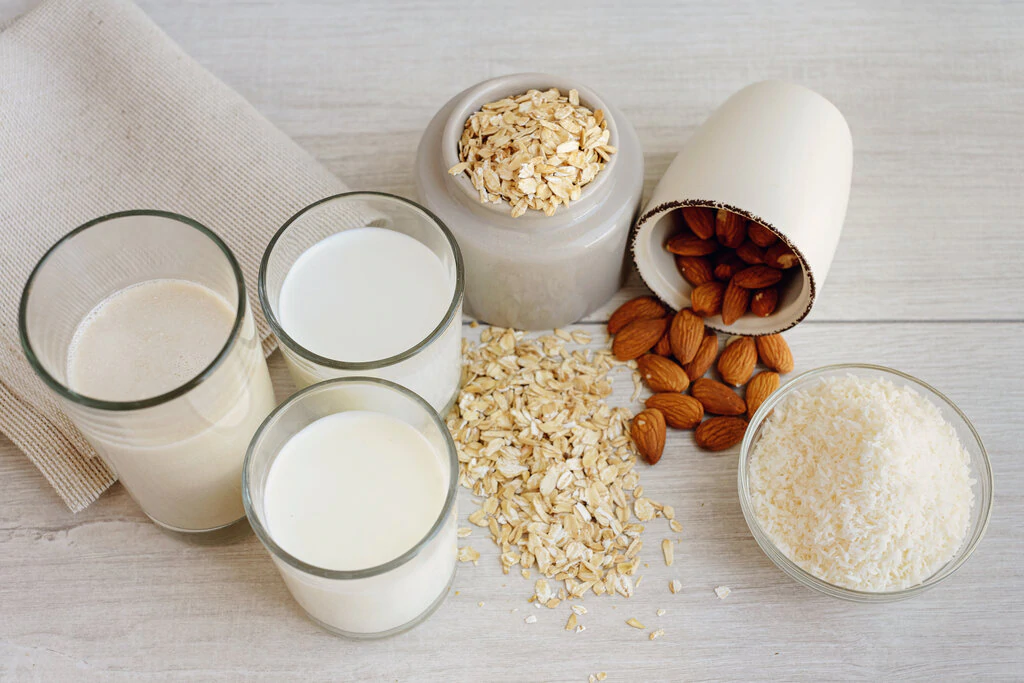
Do you ever wonder which type of milk is better for your health? Mylk and Milk both have their pros and cons, but it’s important to know the differences between them. From nutritional value to sustainability, this article will explore the advantages and disadvantages of these two milks so that you can make an informed decision about which one is right for you.
Mylk vs Milk: Nutritional Value Comparison
Mylk and milk are both popular dairy products that have similar origins, but they have distinct differences in their nutritional values. Mylk is a plant-based alternative to traditional cow’s milk and has become increasingly popular due to its health benefits and environmentally friendly production methods. On the other hand, cow’s milk is an accessible source of essential vitamins and minerals for many people around the world. Here is a comparison of the two types of milks based on their nutrient content.
When it comes to protein content, mylk typically contains between 1-3 grams per cup, while cow’s milk generally provides 8 grams per cup. Plant-based mylks offer more calcium than regular cows’ milk—about 300 milligrams compared to about 120 milligrams per cup—but less phosphorus (50mg vs 150mg). However, some fortified versions can provide comparable levels of these micronutrients as found in cows’ milk. Additionally, mylk often offers higher amounts of dietary fiber than cows’ milk; a single cup may contain up to 2 grams compared with 0 grams in traditional cow’s versions.
One area where cow’s mik surpasses plant-based alternatives is its Vitamin B12 content: One serving size will give you 2 – 3 micrograms while most commercially available varieties only contain trace amounts or none at all; this makes it difficult for vegans who rely on mylk as an alternative source for this vitamin without taking supplements or eating fortified foods regularly . Furthermore, iron fortification varies greatly among brands so if you’re looking for sources high in iron be sure to check labels carefully before purchasing either type!
Overall, there are pros and cons associated with each type of dairy product depending on your individual needs and preferences when it comes to nutrition value comparisons between Mylk vs Milk. While traditional Cow’s Milk tends to contain greater amounts of certain nutrients such as Vitamin B12 which aren’t readily available from plants sources alone; Plant Based Mylks often offer more calcium plus other beneficial nutrients like dietary fibre which isn’t present in any significant amount within Cows Milk forms – making them both viable options for those seeking healthier alternatives overall!
Mylk vs Milk: Environmental Impact Considerations
When it comes to considering the environmental impact of dietary choices, milk is a crucial component. In recent years, mylk has become increasingly popular as an alternative for those looking for a more sustainable option. However, it is important to consider both options and understand how their production affects the environment in order to make an informed decision.
Cow’s milk has been consumed by humans for thousands of years and remains one of the most popular sources of dairy today. It requires significant resources such as water and land in order to produce on a large scale; however, certain practices can be implemented to reduce its environmental footprint. For example, grass-fed cows are known to have higher levels of beneficial omega 3 fatty acids but also emit fewer methane gas emissions due to their diet which contributes significantly less CO2 into the atmosphere than cows raised through industrial farming methods that require high grain diets. Additionally, there are efforts being taken towards reducing waste associated with cow’s milk packaging materials such as cartons made from paperboard rather than plastic containers or bags which helps minimize plastic pollution while still maintaining freshness during transit from farm-to-table.
Mylk refers generally all plant based non-dairy beverages created using primarily nuts or grains like almonds, oats and rice that are soaked overnight before passing through a filtering process where they are blended with other ingredients like natural sweeteners or flavorings depending on desired taste profiles (i.e.: chocolate). Compared with animal sourced products like cow’s milk or cheese -mylks require far less energy and land (as no animals need housing) while producing up to 2 times fewer greenhouse gases per cup produced when compared against conventional cow’s milk production processes – making them better suited alternatives for those concerned about their personal contribution towards global warming issues caused by food production related matters such as deforestation due to grazing pressures often seen in traditional animal agriculture contexts..
In conclusion when deciding between Mylk vs Milk it is important to consider not only taste preferences but also sustainability factors like resource consumption rates and carbon emission outputs so you can make an informed decision about your individual impact on our planet’s future health without sacrificing nutrition needs or personal enjoyment derived from these different types of foods/drinks!
Mylk vs Milk: Price Point Analysis for Both Milks
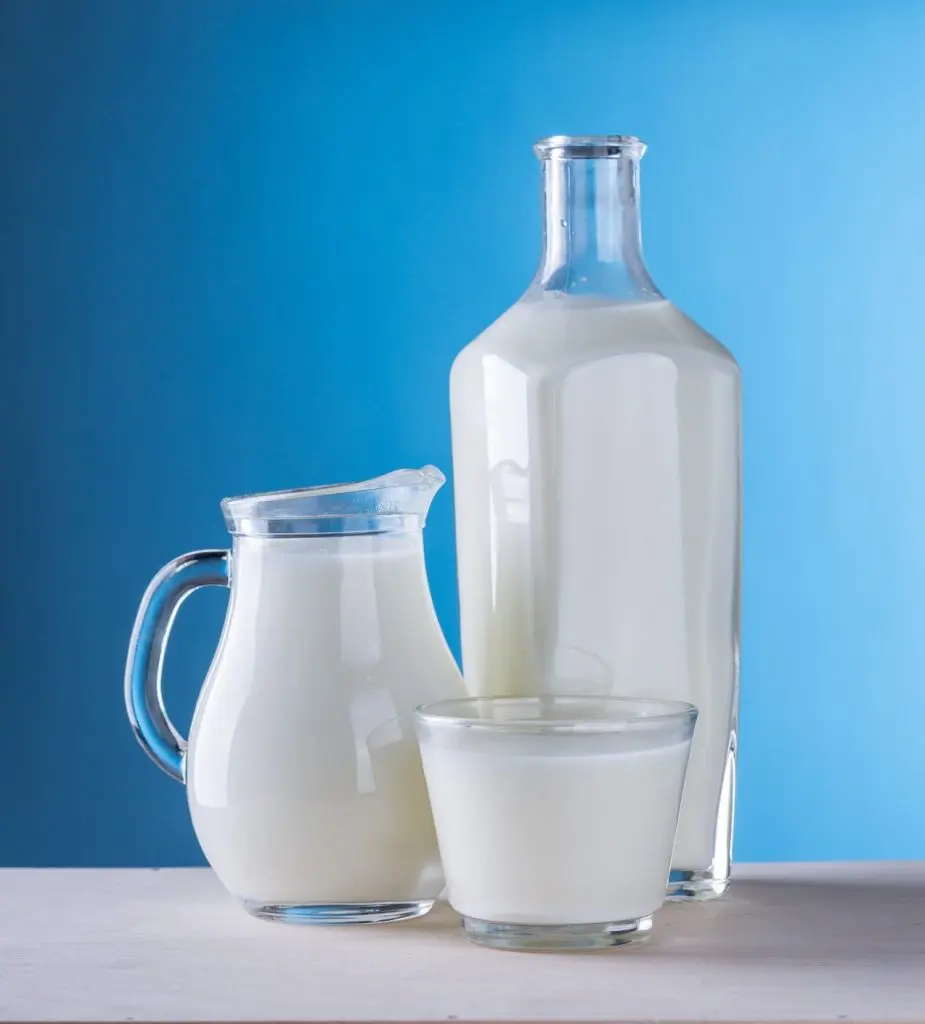
Mylk, a plant-based alternative to cow’s milk, is becoming increasingly popular in the grocery aisle. Plant-based milks are made from nuts, grains and legumes like almonds, oats, rice and soybeans. Because they don’t come from animals like cows’ milk does, they can be more affordable and accessible for people with dietary restrictions or allergies. But what about the price point difference between Mylk and cow’s milk?
When it comes to price comparison shopping of Mylk versus dairy milk you will find that there isn’t much of a difference. Generally speaking most brands offer both types at similar prices per unit volume or weight depending on your location. Prices range from $1 – $5 USD per individual carton or jug of either type but this range varies across different regions based on local market conditions as well as access to specialty stores offering organic products with higher prices attached to them than those found in national store chains that may have lower quality items for sale at lower rates. It is important to consider if you are looking for an economical option when making your purchase decision regarding which type of product is best suited for your needs or budget constraints since some options could cost significantly more than others (such as organic vs regular).
Another factor worth considering when analyzing the price points between Mylk and traditional dairy milks is availability; while many stores now carry non-dairy varieties such as almond mylk there may not always be a selection available near you due to limited shelf space dedicated solely towards plant based alternatives in certain areas where animal derived products still dominate store shelves (such as rural locations). This means that those seeking out vegan friendly choices may need to travel farther distances just so they can restock their pantry while having less convenient access compared those who live closer urban centers boasting larger variety selections including specialty health food stores carrying exclusively all natural items including nutritionally fortified products often offered at premium costs due its superior quality ingredients used during production processes resulting in better taste profiles too! All things considered though regardless of distance traveled both types are available within reasonable price ranges providing consumers ample opportunities even on tight budgets when deciding which liquid refreshment desired over another without breaking bank accounts wide open!
Mylk vs Milk: The Taste Test – Which One is Better?
In the dairy aisle, shoppers face a variety of choices when it comes to selecting milk. In addition to organic and non-organic varieties, there is now an option for those looking for something different: mylk. Mylk is made from plant-based ingredients such as nuts, seeds or grains and has become increasingly popular among health-conscious consumers in recent years. But how does it compare to traditional cow’s milk?
When it comes down to taste, both have their pros and cons. Cow’s milk tends to be creamier than its plant-based counterpart but can lack flavor if not supplemented with added sugar or flavoring. On the other hand, many nut and seed-based mylks are naturally sweetened with dates or maple syrup giving them a sweeter flavor profile without any additional added sugars. Some people find that this makes them more enjoyable straight out of the carton than regular cow’s milk which requires some extra sweetness to make it palatable on its own.
But beyond taste preference lies a bigger issue at stake; nutrition value! Plant-based milks tend to have higher levels of dietary fiber than traditional cow’s milk due to their derived sources being high in healthy fats and minerals like calcium, magnesium and iron – all essential elements for optimal health. Meanwhile, conventional dairy products contain lactose which may cause digestive issues for those who are sensitive leading some people to opt out altogether due to possible allergies or intolerance making mylk a great alternative choice while still offering nutritional benefits similar to those found in traditional animal-sourced milks.
Ultimately each person must decide what works best for them when considering between regular cow’s vs plant based milks depending on personal taste preferences as well as any sensitivities they may have concerning digestion or allergies . It really just boils down finding what works best your individual needs!
Mylk vs Milk: Product Shelf Life and Storage Consideration
When it comes to choosing between cow’s milk and mylk, shelf life is a major factor. Cow’s milk typically lasts up to two weeks in the refrigerator before spoiling, however, this timeframe can vary depending on how it was stored prior to being opened. Unopened, properly refrigerated cow’s milk can last for up to three months. Mylk usually has a much shorter expiration date due to its lack of preservatives and higher water content than cow’s milk; most brands will have an expiration date of one week after opening the package.
Proper storage plays an important role in keeping your dairy products fresh for as long as possible. To maximize your dairy product’s shelf life, store them in their original containers and keep them tightly sealed. Dairy products should also be kept away from strong odors as they may absorb these smells over time which could affect their taste or texture when consumed later down the line. Additionally, all dairy products should always be stored in cool temperatures like that of a refrigerator — never at room temperature — because warmer temperatures lead to faster spoilage rates with both mylk and regular cow’s milk alike.
In general, if you are looking for something with a longer shelf-life then cow’s milk is probably going to be your best bet given that it can easily last up 3 months unopened when properly stored whereas mylks tend only last about one week once opened regardless of how well it’s been preserved beforehand. However, if you are looking for something more natural without any additives or preservatives then organic mylk is definitely worth considering since even though it doesn’t have quite the same amount of longevity compared with regular cows’ milk, you get peace of mind knowing exactly what ingredients went into making whatever type of non-dairy beverage you decided upon purchasing!