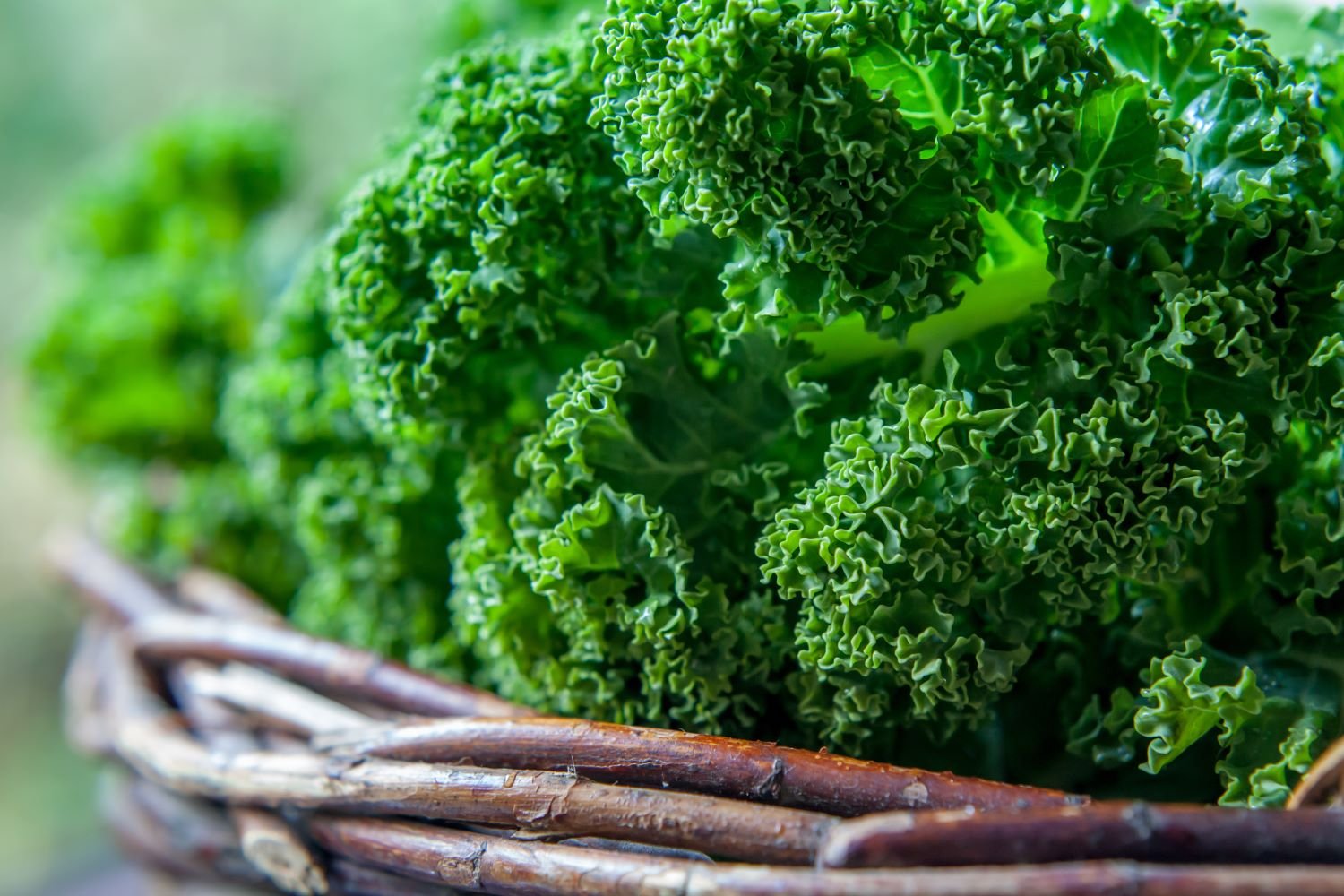
Kale is one of the most popular leafy green vegetables around, and it’s no wonder why. Packed with vitamins, minerals, and antioxidants that provide a plethora of health benefits, kale has earned its rightful place as a superfood. Whether you enjoy it raw in a salad or cooked in your favorite meal, find out how this versatile veggie can help keep you feeling your best.
Nutritional Profile of Kale
Kale is a nutrient-rich green leafy vegetable, belonging to the brassica family of vegetables. It has a slightly bitter taste and can be used in many recipes as both an ingredient or garnish. Kale is packed with essential vitamins and minerals that are beneficial for human health, making it one of the most popular superfoods on the market today.
The nutritional profile of kale is impressive, containing high amounts of vitamin A, C, K and B6. Vitamin A helps maintain healthy vision while Vitamin C boosts immunity by fighting off free radicals in the body which can cause disease or illness. Furthermore, kale also contains large amounts of carotenoids such as lutein and beta-carotene which protect against cellular damage from pollution or UV radiation exposure. Additionally, it contains good levels of calcium which helps promote strong bones and teeth; magnesium for muscle relaxation; iron for red blood cell production; potassium for heart health; zinc to strengthen immune system; folate to aid in DNA synthesis; pantothenic acid to produce energy from food sources; phosphorus for healthy cells & tissues repair as well as manganese to help metabolize carbohydrates & proteins properly
Not only does this nutritional powerhouse provide an array of essential vitamins and minerals but it also provides dietary fiber (both soluble & insoluble) that aids digestion by helping move food through the digestive tract more quickly while aiding satiety after meals so you don’t feel hungry right away following eating a meal containing kale. In addition its dietary fibers have been linked with lower cholesterol levels due scientific evidence proving fiber’s ability to bind bile acids together thus removing them from circulation throughout your body leading to reduced risk factors associated with cardiovascular diseases like stroke & coronary heart disease just to name two common ones(1).
Overall kale packs quite a punch when it comes down nutrition facts! Its numerous benefits not only include its rich supply in essential vitamins/minerals needed daily by humans but additionally its unique combination with multiple types dietary fibers makes this vegetable ‘super’ amongst all others available currently on markets worldwide! So if you’re looking for ways incorporate more nutritious foods into your diet without sacrificing flavor then kale may just be answer you’ve been searching long time now!
1 – https://www.ncbi.nlm.nih
Health Benefits of Eating Kale
Kale is a superfood that has been gaining popularity in recent years due to its high nutrient content and potential health benefits. This leafy green vegetable belongs to the Brassica family, which also includes cabbage, Brussels sprouts, cauliflower and broccoli. Kale can be eaten fresh or cooked in various dishes like salads, soups and stir-fries. Here are some of the amazing health benefits associated with eating kale:
One of the most remarkable things about kale is its vitamin content; it’s an excellent source of vitamins A, C and K. Vitamin A helps maintain healthy skin and eyesight while vitamin C boosts immunity by increasing white blood cell production. Additionally, vitamin K plays a role in bone metabolism as well as clotting blood when you get injured. Eating foods rich in these vitamins may help reduce your risk for various illnesses such as heart disease or cancer.
Another great benefit of eating kale is its fiber content; one cup contains over 5 grams! Fiber helps keep digestion regular while slowing down food absorption which can prevent spikes in blood sugar levels after meals. Additionally, dietary fiber has been linked to lower cholesterol levels because it binds to bile acids produced from cholesterol in the intestines before they’re absorbed into the bloodstream. For this reason, adding more foods high in fiber like kale can have positive effects on overall heart health over time if consumed regularly.
Lastly, kale contains numerous antioxidants that help protect cells from damage caused by oxidative stress; substances called flavonoids found specifically within kale have been known to fight inflammation throughout our bodies which could lead to improved joint pain relief or reduced risk for certain diseases like diabetes or even some forms of cancer! Furthermore studies suggest that consuming cruciferous vegetables (which include kale) may decrease one’s chances for developing age related macular degeneration (AMD). All said and done there are many wonderful reasons why adding more servings of this nutritious vegetable should be part of anyone’s diet plan – so don’t forget about those greens!
Preparing and Cooking with Kale
Kale is a nutrient-rich vegetable that packs a punch of flavor and nutrition. It’s an incredibly versatile ingredient that can be used in both sweet and savory dishes, from breakfast to dinner. Preparing kale for cooking is simple, but there are some important tips to keep in mind that will help make your meals even more delicious.
The first step when preparing kale for cooking is to give it a good wash. Kale often collects dirt and debris while growing, so you want to make sure it’s as clean as possible before using it in recipes. Once washed, use kitchen shears or a sharp knife to remove the leaves from their stems; this helps ensure they cook evenly without any tough pieces remaining behind. When chopping up the leaves themselves, cut them into thin strips of no bigger than one inch wide – this makes them easier to eat and cooks much faster than if left whole!
When it comes time to actually cook with kale, there are plenty of options available depending on what type of meal you’re making! For salads or raw dishes like smoothies or juices, simply massage the chopped leaves with a bit of oil (olive works great) until they start breaking down slightly – then add either fresh lemon juice or vinegar for added flavor! To sauté kale for side dishes like stir fries or pasta dishes just heat some oil over medium-high heat before adding the prepared kale; season with salt and pepper and let cook until lightly browned on all sides – about five minutes should do it! Finally for hearty soups or stews throw in some prepped/chopped kale during the last few minutes of cooking; this helps preserve its nutritional value while still giving your dish an extra boost of flavor!
No matter how you choose to prepare your vegetables – whether cooked or raw – Kale offers endless possibilities when crafting healthy meals at home. Keep these preparation tips in mind next time you shop for produce so you can get creative with your favorite green veggie every single day!
Possible Side Effects of Eating Too Much Kale
Eating too much kale can have unintended consequences on the body. It is important to be aware of the potential risks associated with consuming large amounts of this nutrient-dense vegetable.
Kale is packed with vitamins and minerals, but when eaten in excess, it could lead to an imbalance in certain nutrients within the body. Overconsumption can cause a build-up of calcium or oxalates, which may result in health complications such as kidney stones. Additionally, excessive consumption of raw kale may also lead to digestive distress due to its high fiber content; this could manifest itself through abdominal pain, bloating and gas. If symptoms persist after reducing your intake of kale it would be wise to consult a medical professional for additional advice and guidance on dietary changes that should be made accordingly.
Further possible side effects include thyroid disorders due to its goitrogenic properties; however, cooking eliminates these compounds so lightly steaming or sautéing your greens prior to eating them will reduce any adverse reactions from occurring. Some people have also reported experiencing skin rashes as well as headaches when over-consuming raw kale; again if you are experiencing either one then it might be prudent to cut back on your servings size until symptoms cease entirely before reintroducing small amounts into your diet once more at regular intervals.
Overall, eating too much kale can put stress on the organs and potentially create an imbalance between essential nutrients needed by our bodies for proper functioning – therefore moderation should always remain key whenever adding new foods into one’s diet plan!
Choosing the Best Quality Kale
When selecting kale, whether it is for a meal or a salad, choosing the best quality is of utmost importance. Not all kale is created equal and there are several key factors to look for when making your selection.
The leaves should be deep green in color, firm and crisp with no sign of wilting or yellowing. The leaves should be free from any blemishes such as holes or discoloration from insects. For those who enjoy a sweeter taste, younger leaves will give you that slightly milder flavor. Taking a sniff before purchasing also gives an indication as to how fresh the produce is – opting for ones with bright aromas instead of musty odors.
Texture-wise, pick bunches where the thick stems have not become overly woody; this could indicate that it has been sitting around too long on store shelves and may result in tougher bites once cooked. Additionally, choose bunches which have been grown locally since they more likely haven’t had to travel far distances which would further reduce their nutritional value as well as taste levels due to storage temperatures used along transportation routes.
Kale selections can vary greatly depending on where purchased but by following these tips you can make sure you’re getting only the highest quality available so that your meals come out better tasting each time!
Storing and Preserving Fresh Kale
Kale is a versatile and nutritious vegetable that can be enjoyed in many ways. To make sure you get the most out of your kale, it’s important to store and preserve it correctly. First, wash the leaves before storing them to remove any dirt or bacteria. For best results, wrap the leaves in damp paper towels before placing them into an air-tight container or storage bag – this will help keep them fresh for longer. If you want your kale to last even longer, consider blanching it and freezing it for up to one year!