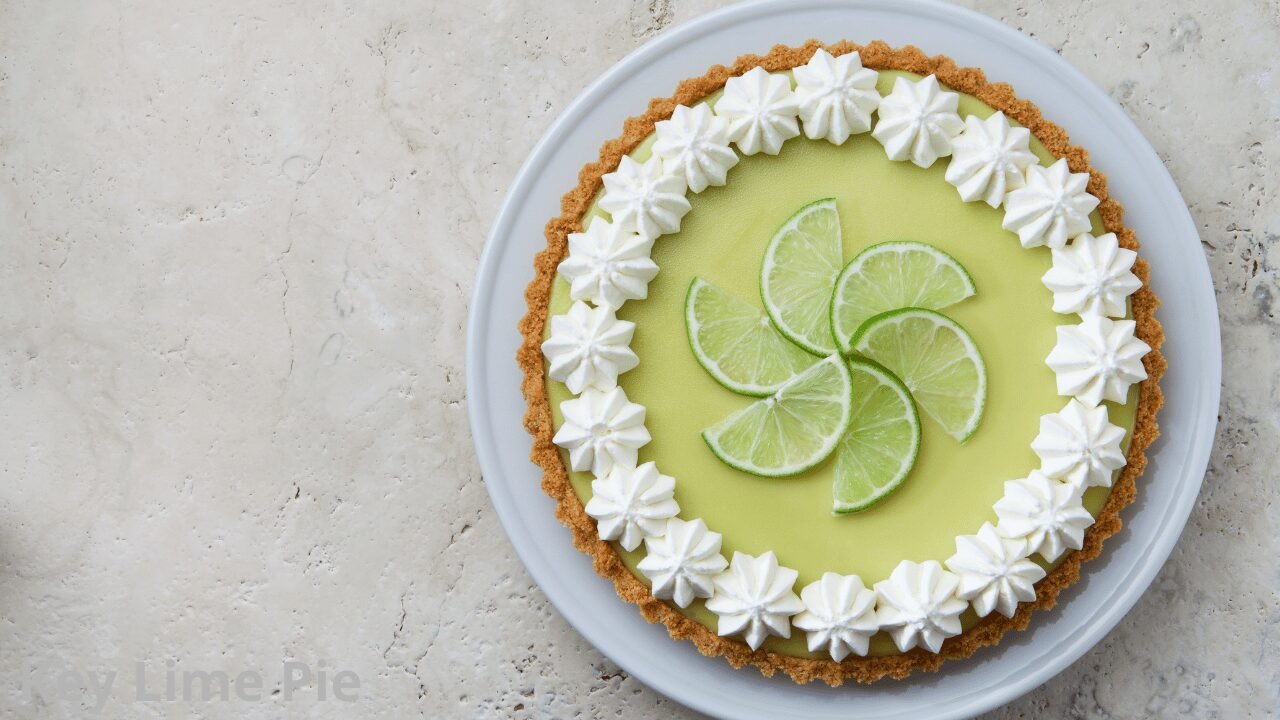
Quick answer: Yes, traditional Key lime pie needs refrigeration. Keep it at 40°F (4°C) or below, and refrigerate leftovers promptly after serving. No-bake and vegan versions also need storage instructions appropriate to their ingredients; neither label automatically means a pie is shelf-stable.
The creamy filling makes this a different storage question from a plain, unfilled cake. Whether homemade or bakery-bought, check the instructions for the particular pie you have.
Why Key Lime Pie Needs Refrigeration
Traditional Key lime pie commonly contains sweetened condensed milk, egg yolks, and lime juice. It is a moist, custard-style dessert that should be kept chilled.
Lime juice thickening the filling does not establish that the finished pie is safe for cupboard storage. Likewise, adding more sugar is not a reliable home method for extending its shelf life.
Use a reliable recipe and follow its preparation instructions rather than trying to preserve the pie through ingredient adjustments.
How to Cool a Freshly Baked Pie
Follow the recipe’s initial cooling instructions, but do not leave the pie on the counter for hours waiting for it to become completely cold.
Plan to refrigerate it within two hours after baking, or within one hour if the surroundings exceed 90°F (32°C). Allow space around the pie in the refrigerator so cold air can circulate.
Once chilled, cover it with suitable food-safe wrapping or a pie container. A container with clearance above the filling protects delicate toppings without pressing them flat.
How Long Does It Last in the Refrigerator?
For a traditional homemade custard-style Key lime pie, use three to four days as a general refrigerated storage guide. FoodSafety.gov gives that period for baked custard and chiffon pies.
Count from preparation, not from the day you first cut a slice. Follow any shorter storage period required by your recipe or toppings.
For a commercially packaged pie, follow the label’s instructions, including directions after opening or thawing. Do not transfer a commercial product’s shelf life to a homemade version.
What About No-Bake or Vegan Key Lime Pie?
These descriptions do not remove the need to consider refrigeration.
No-bake recipes may contain cream cheese, whipped cream, or other perishable ingredients. Vegan recipes may use coconut cream, soaked cashews, or other moist fillings.
Follow the exact recipe’s storage directions. If they are missing, keep the pie refrigerated while seeking clarification rather than assuming that the absence of eggs or dairy makes counter storage suitable.
How Long Can It Sit Out for Serving?
For pies requiring refrigeration, follow the FDA’s two-hour limit outside refrigeration, reduced to one hour above 90°F (32°C).
Include transport and serving time. Returning the pie to the refrigerator does not reset time already spent unrefrigerated.
For a picnic or gathering, keep the pie chilled until needed and serve a few slices at a time. A cake dome protects the surface but does not keep the filling cold.
Does Key Lime Pie Have to Be Green?
No. A classic filling can be pale yellow or yellow-green, depending on the ingredients. Bright green coloring is not a freshness requirement.
A surface crack alone is also not proof of spoilage; it may result from baking or cooling. Appearance should be assessed alongside the recipe, storage history, and any suspicious changes.
Do not mistake a normal variation in color or texture for a reliable safety test.
Can You Freeze It?
Check the recipe or manufacturer’s instructions before freezing. Some versions are designed to freeze well, while others may lose their smooth texture or release moisture after thawing.
There is no need to freeze every pie merely because you plan to keep it longer than 24 hours.
If freezing is supported, package and label it as directed, then thaw in the refrigerator. Freezing cannot make an improperly stored pie safe again.
When Should You Discard It?
Discard pie with visible mold, an unusual odor, or other suspicious changes. Do not taste it to check whether it is safe.
A pie that looks and smells normal can still be unsafe after improper storage. Discard a perishable pie that has exceeded the applicable unrefrigerated time limit.
For easier planning, write the preparation date on the container and decide which day you will serve it. Keeping that information alongside the recipe removes much of the guesswork from enjoying the remaining slices.
Sources and Further Reading
- FoodSafety.gov: Cold Food Storage Chart — refrigerated storage guidance for custard and chiffon pies.
- FDA: Are You Storing Food Safely? — refrigerator temperatures and handling of perishable foods.
- King Arthur Baking: Classic Key Lime Pie — an example of a traditional baked filling and its natural appearance.