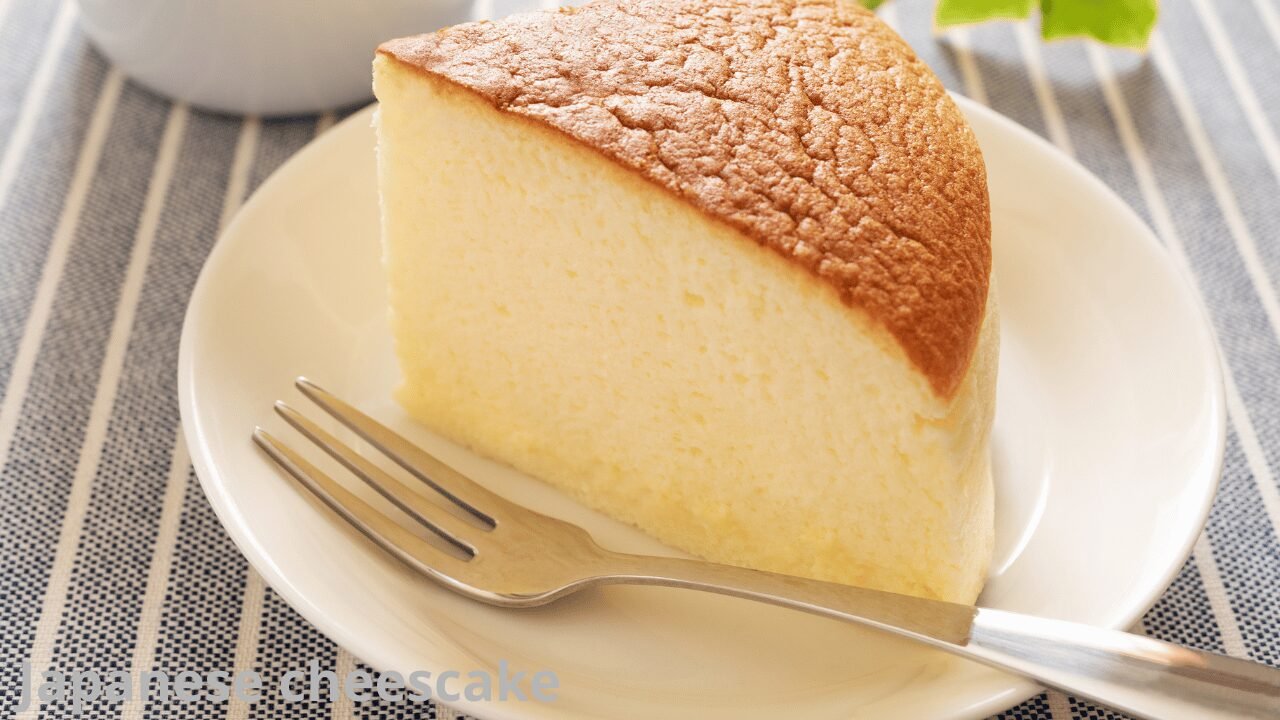
Quick answer: Yes, Japanese cheesecake needs refrigeration. Its light, airy texture does not make it suitable for prolonged storage at room temperature. Keep it refrigerated at 40°F (4°C) or below, and take out only the portions you plan to serve.
Why Japanese Cheesecake Needs Refrigeration
Japanese cheesecake usually contains cream cheese, eggs, milk, butter, sugar, and flour. Although it is baked and feels lighter than a dense New York-style cheesecake, the finished cake is still a moist, perishable dessert.
Serving temperature and storage temperature are different things. You may prefer a slice slightly warmed or less chilled, but that does not mean the remaining cake should stay on the counter.
How to Cool and Store Japanese Cheesecake
For a homemade cake, follow a reliable recipe’s cooling instructions, but do not leave it out for hours waiting for it to become completely cold. Plan the cooling process so it can go into the refrigerator promptly.
Keep the cake protected in a suitable container. Once chilled, cover it securely to help prevent drying and absorption of refrigerator odors. Label homemade cakes with the baking date.
For a bakery-bought cake, refrigerate it promptly after bringing it home and follow the bakery’s storage instructions. Keep any label showing its production date or recommended consumption date.
How Long Can It Stay at Room Temperature?
Follow the FDA’s guidance for perishable foods: no more than two hours outside refrigeration, or one hour when the surrounding temperature exceeds 90°F (32°C).
Count transport, preparation for serving, and time on the table together. Putting the cake back in the fridge does not reset the time already spent unrefrigerated.
If the cake has exceeded these limits, discard it. Refrigeration afterward cannot undo unsafe storage.
How Long Does Japanese Cheesecake Last in the Fridge?
Follow the instructions supplied with the specific cake or recipe rather than assuming every Japanese cheesecake has the same shelf life.
For example, Uncle Tetsu Australia recommends refrigerating its Japanese cheesecakes as soon as possible and consuming them within three days of manufacture. That recommendation applies to its own products; it is not a tested storage limit for every homemade version.
Fruit toppings, cream fillings, and other additions may change storage requirements. Follow the shortest applicable storage instruction.
Serving and Freezing
For serving, remove only the slices you need. If you prefer a warmer texture, follow the bakery’s or recipe’s reheating instructions for that portion. Keep the rest refrigerated.
If your recipe or bakery allows freezing, package individual chilled portions in freezer-safe wrapping and a sealed container. Add the date, follow any recommended freezing period, and thaw in the refrigerator. Freezing may change the delicate texture, and it cannot rescue cake that has already been stored unsafely.
When Should You Throw It Away?
Discard cheesecake with visible mold, an unusual smell, or other signs of spoilage. However, normal appearance and smell do not prove that a cake is safe.
Do not taste a questionable slice to test it. Its storage history matters as much as its appearance.
Japanese cheesecake can be a lovely dessert to enjoy slowly, one slice at a time. Keeping the remaining cake chilled lets you choose your preferred serving texture without confusing that preference with safe storage.
Sources and Further Reading
- FDA: Are You Storing Food Safely? — refrigeration temperatures, time limits, and why appearance alone cannot establish safety.
- Uncle Tetsu Australia: Frequently Asked Questions — storage and serving guidance for the bakery’s own Japanese cheesecakes.