For homemade ganache made with fresh cream, refrigeration is the sensible default unless a reliable, formulation-specific source establishes different storage conditions. Follow the instructions for your exact recipe rather than assuming that all chocolate ganache keeps equally well.
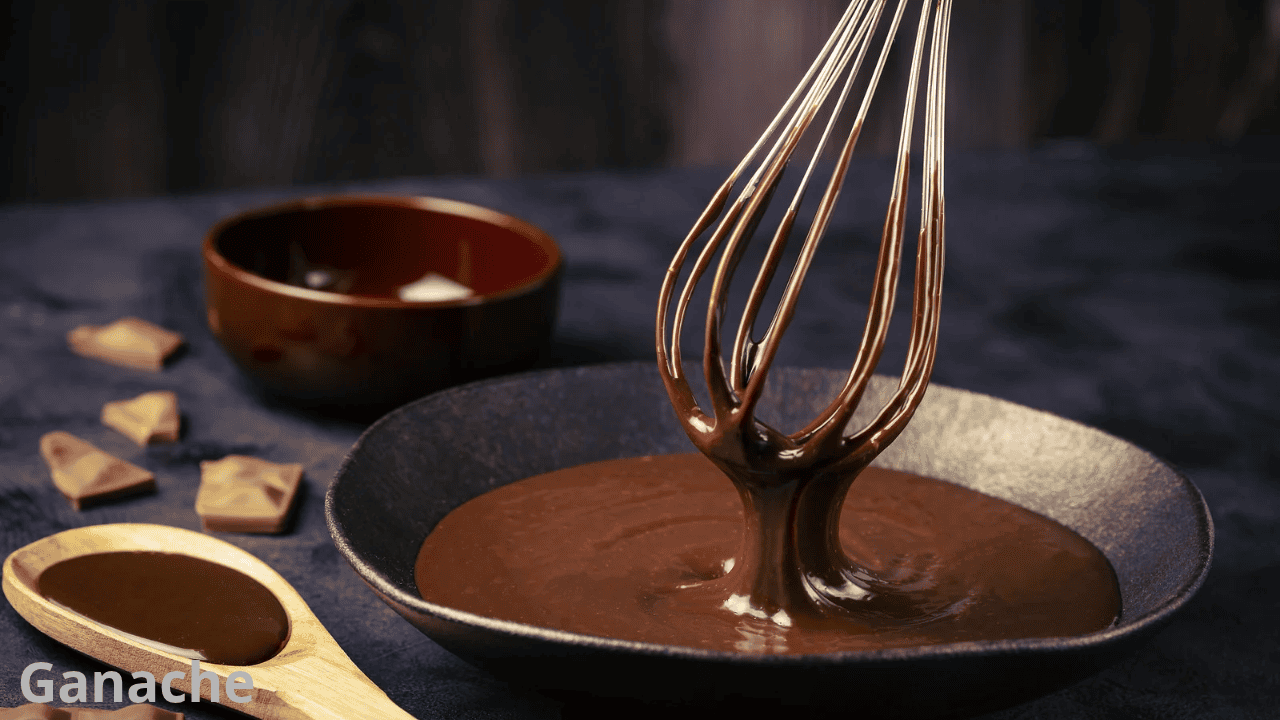
Ganache can be a pourable glaze, a spreadable filling, or a firm truffle mixture. Those textures help determine how you use it, but firmness alone does not establish whether it can safely remain on the counter.
Why the Chocolate-to-Cream Ratio Is Not Enough
Adding more chocolate generally produces a thicker ganache. King Arthur Baking’s recipe illustrates this clearly: increasing the chocolate relative to the cream changes how firmly the mixture sets. King Arthur Baking
However, a texture ratio is not a complete food-safety assessment. Statements such as “ganache containing less than half cream can stay out for several days” leave out important details about the formulation and handling.
University of Minnesota Extension explains that dessert-filling safety involves factors including water activity and acidity. These cannot reliably be established by looking at a finished ganache or checking whether it holds a piped shape. UMN Extension
For home baking, choose a recipe that provides storage instructions alongside its ingredient quantities.
How Long Can Ganache Stay in the Refrigerator?
There is no single refrigerator deadline that applies to every ganache.
As a specific example, King Arthur Baking states that leftovers from its Chocolate Ganache recipe can be kept covered in the refrigerator for at least a week. That guidance belongs to the published recipe; it should not automatically be transferred to a different mixture containing additional cream, fruit purée, or other substitutions. King Arthur Baking
When making ganache ahead:
- Keep a copy of the recipe and its storage directions.
- Label the container with the preparation date.
- Follow any shorter storage requirement introduced by another ingredient.
- Avoid assigning an extended shelf life to a recipe that provides no dependable storage guidance.
If your recipe lacks that information, prepare a smaller batch close to when you need it.
How to Refrigerate Homemade Ganache
Place the ganache in a clean, covered container and refrigerate promptly. For a large batch, use smaller, shallow containers rather than leaving one deep bowl on the counter for an extended cooling period.
Keep the refrigerator at 40°F (4°C) or below. For ganache treated as perishable, limit time outside refrigeration to two hours, or one hour above 90°F (32°C). Include preparation, decorating, transport, and serving time in your planning. FDA
A preparation-date label is especially helpful when several similar containers are waiting for a cake project. Write down what the ganache contains as well if you have made different versions.
How to Soften Refrigerated Ganache
Cold ganache can become too firm to spread or pour. This is an expected texture change, not automatically a sign that anything is wrong.
King Arthur recommends gentle reheating at a low temperature to restore a workable consistency. Warm only the portion you need, stir, and check its texture before applying more heat. King Arthur Baking
Do not add extra cream simply because the refrigerated mixture is firm. First follow the recipe’s reheating instructions. Adding ingredients changes the original formulation and may make its storage guidance less applicable.
Rewarming is a preparation step, not a way to rescue ganache that has been stored improperly.
Does a Ganache-Covered Cake Need Refrigeration?
Consider the entire dessert, including what is between the layers.
A cake containing a perishable filling still needs appropriate refrigeration even if its outer coating becomes firm. University of Minnesota Extension emphasizes that every component matters when assessing layered and filled desserts; moisture can also move between components. UMN Extension
Follow the most restrictive storage instruction among the cake’s components. When buying a finished cake, ask the bakery how to store that particular cake rather than relying on general ganache advice.
For an event, plan refrigerator space and transport before decorating. A beautiful finish is much easier to manage when the storage arrangements are already settled.
What About Commercial Ganache or Chocolate Truffles?
Use the manufacturer’s instructions for packaged products. Check whether the directions change after opening.
A commercially formulated filling or packaged chocolate confection may have storage conditions that differ from a homemade cream ganache. Its shelf life is not evidence that a home recipe can remain at room temperature for the same period.
Similarly, do not assume that a dairy-free substitution automatically makes a homemade ganache shelf-stable. Use storage guidance written for that formulation.
When Should You Discard Ganache?
Discard ganache with mold or an unusual, unpleasant smell. Also discard perishable ganache that has exceeded safe time-and-temperature limits, even if it still looks smooth.
The FDA notes that food can be unsafe without looking or smelling spoiled. Do not taste a questionable batch to decide whether it is safe. FDA
Texture and safety are separate questions: softening a firm mixture may restore its usefulness, but stirring or reheating cannot establish that mishandled ganache is safe.
Make Ahead with a Clear Plan
Ganache does not need to make a baking project complicated. Choose a reliable recipe, keep its storage instructions, and prepare an amount that fits your plans.
A labeled container and a little refrigerator space leave you free to focus on the enjoyable part—turning a simple chocolate mixture into a filling, topping, or finishing touch.