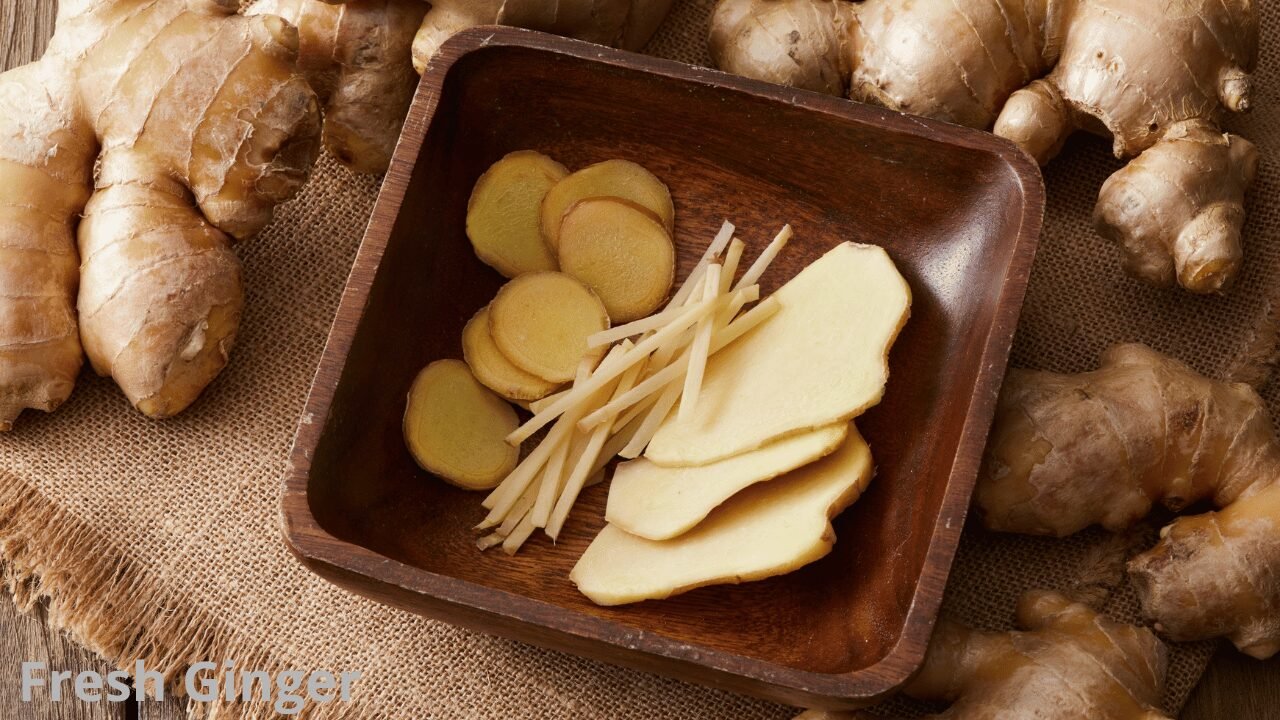
Whole, unpeeled fresh ginger does not need immediate refrigeration, but keeping it in the fridge usually helps it stay fresh longer. Peeled or cut ginger should be refrigerated, while freezing is a convenient option for longer storage.
A recipe might call for just a teaspoon of grated ginger, leaving you with most of the piece still unused. Choosing a storage method at that point can save you from finding a forgotten, shriveled leftover weeks later.
The best approach depends on how the ginger has been prepared and how soon you expect to cook with it again.
Can You Keep Fresh Ginger at Room Temperature?
Whole, unpeeled ginger can be kept at room temperature for short-term use. Kansas State University Extension gives a general range of one to two weeks, although its condition when purchased and the conditions in your kitchen will affect the result.
Keep it away from direct sunlight and sources of heat. If you only use ginger occasionally, refrigeration is the more practical choice.
This advice applies to intact ginger with its skin on. It should not be extended to a bowl of chopped ginger or a homemade ginger mixture.
How to Store Whole Ginger in the Refrigerator
Place unpeeled ginger in a clean, airtight bag or container and keep it in the refrigerator’s crisper drawer. Avoid sealing it away while wet; dry the surface if you have washed it.
Kansas State University Extension suggests that properly refrigerated, unpeeled ginger can retain freshness for four to six weeks. Virginia Cooperative Extension gives a shorter guideline of up to three weeks.
These are useful planning estimates, not promises. Ginger that has already spent considerable time in transport or on a shop display may deteriorate sooner.
A simple habit helps: when you take some out for cooking, check the remaining piece before putting it back.
What About Peeled, Sliced, or Grated Ginger?
Refrigerate peeled or cut ginger in a tightly closed container or well-sealed bag. Iowa State University Extension gives a guideline of two to three weeks for tightly wrapped, peeled ginger.
Do not automatically apply that entire period to finely grated ginger or ginger mixed with other ingredients. Preparation and additional ingredients change the storage situation.
For small quantities of grated ginger, freezing individual portions can be more convenient than keeping a container in the fridge with no clear plan to use it.
If you buy ready-prepared ginger paste, follow its label. Commercial products may contain ingredients or undergo processing that make their storage instructions different from homemade paste.
How to Freeze Ginger in Useful Portions
Freezing works particularly well when your recipes use small amounts.
- Wash the ginger and dry it.
- Scrape off the skin if desired.
- Slice, chop, or grate it.
- Freeze small portions on a lined tray.
- Transfer the firm portions to a freezer-safe bag or container and label them with the date.
Iowa State University Extension recommends using frozen ginger within about three months for best quality. This is a quality guideline rather than a point at which continuously frozen ginger suddenly becomes unsafe.
Portion sizes can match your cooking habits. Teaspoon-sized amounts are handy for dressings and sauces; larger portions may suit a curry or a pot of soup. Label the approximate amount so you do not have to guess later.
Can You Preserve Fresh Ginger in Honey?
Do not assume that covering fresh ginger with honey makes the mixture suitable for months of storage at room temperature.
Honey on its own and honey mixed with fresh ingredients are different products. A reliable preservation method needs instructions for the actual mixture, including its preparation and storage.
For an everyday kitchen routine, refrigerating plain ginger or freezing portions is easier to manage. If you want to make ginger honey, pickled ginger, or another preserved preparation, use a reputable recipe with explicit storage guidance. Avoid assigning a homemade mixture a long shelf life based only on the properties of one ingredient.
How to Recognize Ginger That Should Be Discarded
Discard ginger with mold, obvious decay, a mushy texture, or an unpleasant smell. Do not taste suspicious ginger to decide whether to keep it.
Color needs a little context, however. Virginia Cooperative Extension explains that some ginger naturally has blue flesh or a blue ring. That coloration alone does not necessarily mean spoilage.
Consider the condition of the whole piece rather than relying on a single visual detail. A naturally colored, firm rhizome is different from one with spreading decay or a deteriorating texture.
Make the Leftovers Easy to Use
You do not need to prepare every piece of ginger as soon as you buy it. Keeping it whole until needed reduces unnecessary preparation, while freezing spare portions gives them a purpose.
If you regularly make a stir-fry, soup, or ginger dressing, store portions that fit those meals. A little organization makes this flavorful ingredient easier to reach for—even when dinner is something simple.