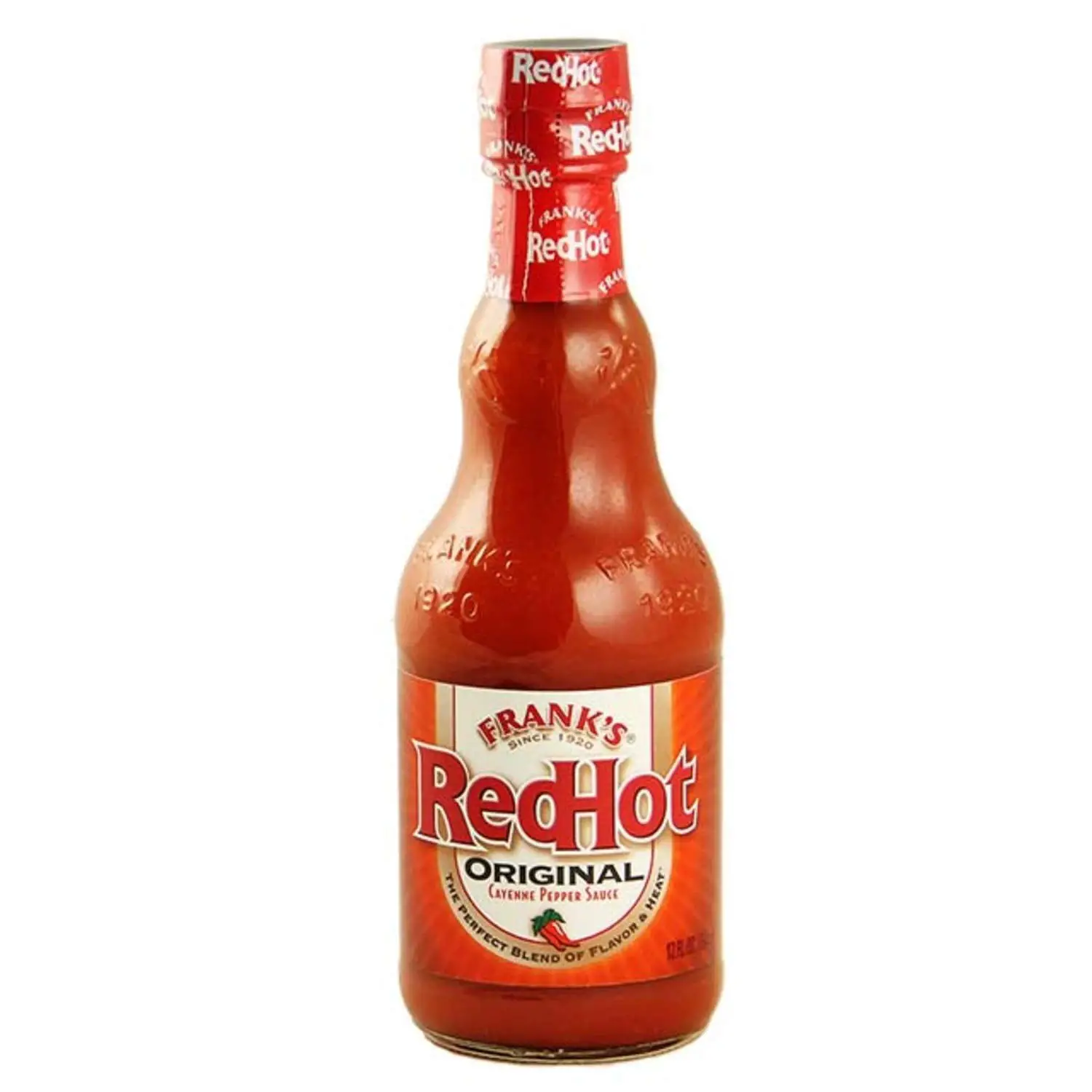
Quick answer: Frank’s RedHot does not generally require refrigeration under the manufacturer’s published hot-sauce guidance, although chilling helps preserve its flavor. Always follow any specific storage instructions on your bottle.
Check the exact product before deciding where to store it. A brand can sell several sauces with different formulations, so the label on the bottle you own matters more than a general rule about hot sauce.
Should You Refrigerate It After Opening?
The manufacturer describes refrigeration as helpful for maintaining flavor rather than universally necessary.
If your bottle permits room-temperature storage, choose a cool cupboard away from direct sunlight and cooking heat. Refrigeration is also an option if you prefer serving the sauce cold.
If the label specifically says to refrigerate after opening, follow that instruction.
What Does the Printed Date Mean?
Frank’s RedHot identifies the date stamped on the bottle’s shoulder or bottom as its recommended date for optimum flavor, freshness, and quality.
Its FAQ lists 24 months from manufacture for unopened hot sauce. That does not mean two years after you buy it, and opening a bottle does not start a new 24-month period.
The manufacturer mentions that refrigerated sauce may retain good flavor for a few weeks beyond the printed date. This is not a guarantee that every bottle remains safe for months or years afterward.
How to Keep an Open Bottle Clean
Close the cap after use and keep the opening free of food residue. Avoid touching the bottle’s opening against food, used utensils, or your mouth.
For serving, pour a small amount into a separate dish if that is more convenient. Do not return unused sauce from a serving dish to the original bottle.
Writing the opening date on the label can help you keep track of bottles that are used only occasionally. If you repeatedly leave a large bottle unfinished, buying a smaller size may be more practical.
Does a Normal Smell Prove the Sauce Is Safe?
No. Smell alone cannot establish food safety.
Discard sauce with visible mold, a damaged or leaking container, or other suspicious changes. Do not taste a questionable product to test it.
If you are uncertain about an old bottle, contact the manufacturer with its product name, printed date, and batch code. Avoid relying on a blanket claim that vinegar-based sauces never spoil.
What About Homemade Dips and Wing Sauces?
Once you mix bottled sauce with other ingredients, follow the storage instructions for the finished recipe.
A dip containing cream cheese or cooked chicken does not inherit the bottled hot sauce’s storage properties. The same principle applies to leftover cooked wings: adding hot sauce does not make them suitable for cupboard storage.
Keep the original bottle separate from prepared mixtures so their storage requirements remain clear.
A Straightforward Storage Habit
Read the label, check the date, and choose a suitable storage location. Keep the cap clean and closed between uses.
There is no need to complicate the routine with special equipment or promises of indefinite shelf life. Product-specific instructions provide a better starting point than assumptions about how spicy or acidic a sauce tastes.
Sources and Further Reading
- Frank’s RedHot: Official FAQs — refrigeration, flavor preservation, and the manufacturer’s shelf-life guidance.
- FDA: Are You Storing Food Safely? — food-storage principles and why appearance or smell alone cannot establish safety.