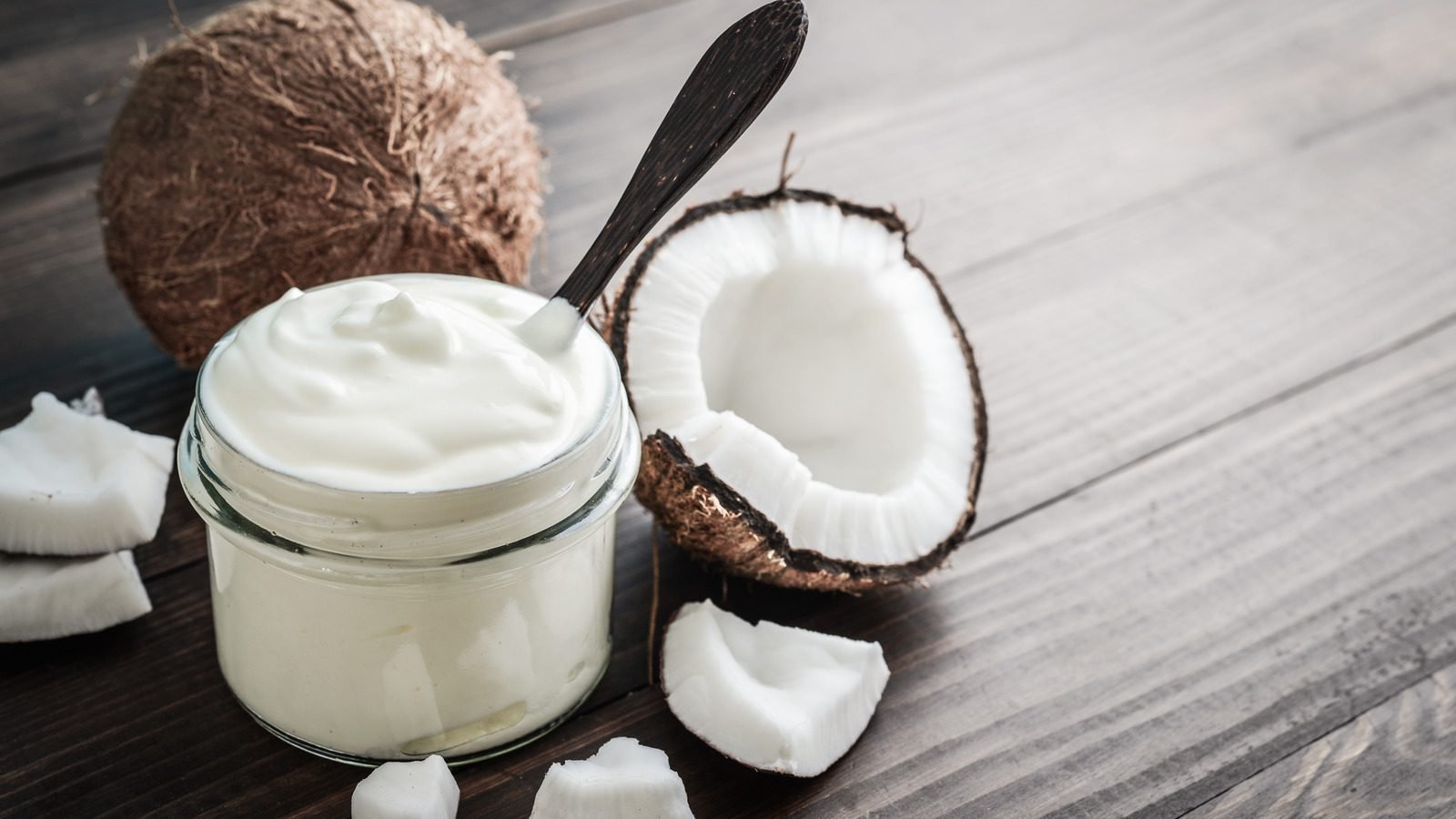
Coconut cream is a kitchen staple that can be found in many delicious dishes around the world. From Indian curries to decadent desserts, this creamy ingredient adds richness and texture to any culinary experience. Not only does it taste great, but coconut cream also has numerous health benefits associated with it. In this article, we will explore all the amazing aspects of this incredible ingredient – from its nutritional value to its diverse uses in different cuisines!
Nutritional Benefits of Coconut Cream
Coconut cream is a versatile and delicious ingredient that packs many health benefits. Primarily used as an alternative to dairy-based cream, it has become popular with vegans and those who are lactose intolerant. Coconut cream can also be used in place of dairy ingredients such as butter, yoghurt, or cheese in many recipes. It contains high levels of healthy fat which helps make the food more nutritious while providing a creamy texture to the dish.
The most significant benefit of using coconut cream is its nutritional value. This type of cream is rich in vitamins and minerals like vitamin C, potassium, magnesium and iron; plus it includes polyunsaturated fatty acids (PUFAs) like omega-3s and omega-6s which have been linked to several beneficial effects on human health such as reducing inflammation throughout the body. Additionally, coconut cream contains lauric acid which helps support immune function by fighting off invading bacteria or viruses.
Another great thing about coconut cream is that it’s incredibly low in calories compared to traditional dairy creams so it makes for a better choice when trying to watch your weight or lose some pounds quickly without sacrificing flavor or texture from the meal itself. Also because there’s no cholesterol present in coconuts you don’t need to worry about clogged arteries either! Finally, due to its natural sweetness, you don’t need to add any extra sugar when using this product so overall it’s much healthier than other types of creams available at grocery stores today – making it an all-around winner for anyone looking for healthier dietary options without compromising flavor or taste!
Healthy Fats and Fibre Content
When it comes to a healthy diet, fats and fibre are key components. Fats provide essential nutrients that our bodies need for numerous activities. Not all fats are created equal however; some can be detrimental to health while others are beneficial in moderated amounts. It is important to understand the difference between these types of fat and how much should be consumed as part of a balanced diet.
Fibre is an equally vital component of any diet and is found naturally in many foods such as fruits, vegetables, grains, nuts, beans and legumes. Fibre helps contribute to satiety or fullness after eating which aids in weight control over time. Additionally, research has linked high-fibre diets with lower risk factors for certain chronic diseases including cancer, diabetes and heart disease among others.
The combination of healthy fats and fibre content makes for the ideal dietary balance for optimal health outcomes. Healthy unsaturated fats like those found in fish oils have been associated with improved cardiovascular health due to their anti-inflammatory properties whilst natural sources such as olive oil contain compounds that may help reduce cholesterol levels when used instead of other saturated fatty acids from animal products like butter or lard. In terms of fibre intake it is recommended adults consume at least 25–30 grams daily; this level can easily be achieved by choosing whole grain breads over white varieties as well as adding more fresh fruits and vegetables into meals on a regular basis rather than processed snacks or sugary desserts which lack both these essential elements needed for overall wellbeing now and long term too!
Coconut Cream Saturated Fat Considerations
Coconut cream, like all coconut products, is high in saturated fat – and that’s a fact. Before you get too worried though, it’s important to note that not all saturated fats are created equal. Coconut cream contains medium-chain fatty acids (MCFAs), which have been found to be more easily digested than the long-chain fatty acids found in other animal products. In addition, research suggests MCFAs may provide some health benefits when consumed as part of a healthy diet; such benefits include improved digestion, enhanced absorption of nutrients from foods you eat with them, and even potential weight loss effects.
So what does this mean for those of us looking to add coconut cream into our diets? It means we should proceed with caution – but also don’t worry if we enjoy it on occasion! As long as your diet is balanced overall and you’re getting plenty of vitamins and minerals through fruits and vegetables or supplements, an occasional indulgence won’t hurt. That said, however; while some experts believe moderate intake could be beneficial over time – it’s still recommended to limit consumption due to its high-fat content overall. So go ahead and enjoy that creamy texture here or there – just try not to make it an everyday thing!
Finally; another option worth considering would be using full-fat coconut milk instead of coconut cream as a less concentrated alternative with nearly identical flavor profiles without so much saturated fat per serving size. This way you can still reap the nutritional benefits associated with MCFAs while avoiding the added calories from higher concentrations present in traditional creams alone. All things considered; no matter whether you choose one or the other – always remember moderation is key for optimal health outcomes!
Vitamins and Minerals in Coconut Cream
Coconut cream is a versatile ingredient that can be used in many different recipes, from savory dishes to sweet desserts. It is an excellent source of nutrition and has been known to have health benefits due to the vitamins and minerals it contains.
Vitamins are organic compounds that our bodies need for growth, development, energy production and general well-being. Coconut cream is a great source of several essential vitamins such as vitamin C, B1 (thiamine), B6 (pyridoxine) and E. Vitamin C helps boost immune function while also being important for optimal skin health; B1 maintains healthy nerves; B6 helps regulate hormones; and vitamin E keeps cells healthy by protecting them from free radical damage caused by environmental toxins.
Minerals are just as important in providing necessary nutrients to the body as vitamins are. The minerals found in coconut cream include zinc, iron, phosphorus, copper and magnesium which all play vital roles within the body’s systems. Zinc strengthens immunity while aiding in wound healing; Iron carries oxygen throughout the bloodstream; Phosphorus supports bone strength; Copper converts carbohydrates into energy required for daily activities; Magnesium regulates nerve signals throughout the nervous system helping with muscle relaxation.
Coconut cream is not only delicious but provides many beneficial vitamins and minerals needed for optimum wellness – making it one of nature’s superfoods!
Thai Recipes with Coconut Cream
Thai cuisine has long been known for its unique flavors and fragrances that tantalize the taste buds. Among these flavors is the magical combination of coconut cream and Thai recipes. Coconut cream adds a delectable richness to any dish it touches, while still allowing the other ingredients to shine through. With this in mind, let’s explore some delicious Thai recipes that make use of this wonderful ingredient!
One of my favorite dishes is tom kha gai – a creamy soup made with chicken, galangal root (a type of ginger), mushrooms and lemongrass all simmered in coconut milk. It’s an incredibly easy recipe to throw together yet full of flavor due to the powerful combination of spices used such as coriander seeds, cumin and turmeric powder. The addition of coconut cream gives it a comforting richness without overpowering everything else going on in the bowl making it one seriously delicious soup!
If you are looking for something more substantial then you can always try Gaeng Masaman Curry – otherwise known as Muslim curry. This traditional curry starts off with onions cooked until golden brown before adding spice pastes, potatoes and peanuts creating an intensely flavorful sauce which is finished off with thickened coconut cream giving it its signature rich texture and sweetness. Serve over steamed jasmine rice or even better try replacing half the rice with noodles for added depth!
As you can see there are plenty of ways to incorporate coconut cream into your cooking repertoire when making Thai food at home! Whether you choose a hearty curry or comforting soup these two recipes will certainly leave your stomach happy whilst bringing joy to your taste buds too!
Caribbean Desserts Featuring Coconut Cream
When it comes to Caribbean desserts, one of the most popular ingredients is coconut cream. Whether you’re in Jamaica or Barbados, you’ll find creamy delightfully sweet treats that are usually made with fresh coconut milk and shredded coconut. Flavors like nutmeg and cinnamon can be added for extra zing while some may opt for a more tropical taste by adding mango or pineapple!