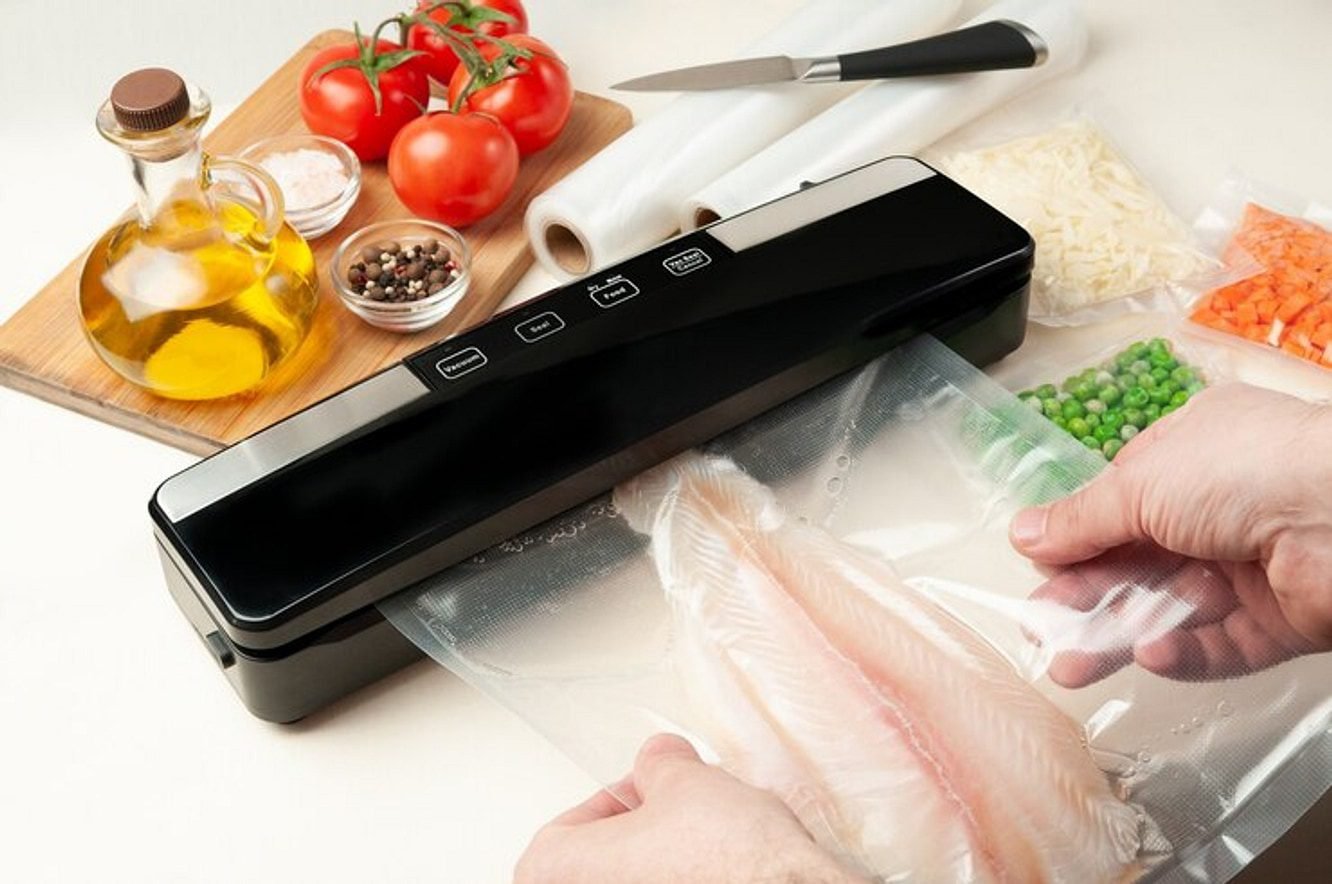
Vacuum sealing is a quick and easy method to store food efficiently. It preserves food freshness, saves space in the freezer and allows you to prepare your meals in advance to save time during the week. Check our vacuum sealer guide to get know how vacuum sealers work helps you to store foods properly every time.
Vacuum Sealer and How It Works
A vacuum sealer removes air from a storage bag or container. It then automatically seals the bag, preventing outside oxygen from entering the bag. Removing oxygen from your food packages saves space and slows down food degradation.
Vacuum sealers aren’t only limited to sealing plastic bags. Some vacuum sealers come with accessories that allow you to seal foods in jars or other storage containers.
Vacuum Sealer Guide: Vacuum Sealing Helps Food Last Longer Because
Vacuum sealing limits the amount of oxygen your foods are exposed to. Oxygen can cause freezer burn and affect the flavor and texture of your food.
Vacuum sealing locks in freshness so you get to enjoy your food the way it’s supposed to taste while also preserving its texture. Vacuum sealing your food also gives you the freedom to divide your foods in portions hence allow you easy meal preparation.
- Limit oxygen exposure.
- Prevent freezer burn.
- Helps retain food flavors.
- Allows you to portion your food.
- Non-food items can be sealed.
- You can buy in bulk and save the food in portions.
Vacuum sealing your food also helps you stay organized. You can separate your food items into portions to save you time every week trying to figure out what you should prepare.
Vacuum Sealer Guide: Important Features to Consider When Buying Vacuum Sealers
Vacuum Sealers don’t all seal items the same way. Some vacuum sealers are large while others are small and compact.
You will need to consider features such as how well your vacuum sealer sucks out air from bags. Also, consider if it seals a wide enough seal that can’t be broken with normal pressure.
Can your vacuum sealer use different bags? Can it seal moist foods? Does your vacuum sealer come with a drip tray or will you need to hold the bag open as it seals?
- Dry mode is for sealing foods that contain less moisture.
- Moist mode is ideal for sealing foods with higher moisture.
- Pulse control is ideal for delicates such eggs.
- Vacuum sealers with external hoses allow you to seal containers.
- Adjustable seal settings allow you to choose how well your bags will be sealed.
- Small vacuum sealers are great for kitchens with limited counter space.
Your budget isn’t everything when it comes to buying vacuum sealers. If you only seal leftovers you wouldn’t need a machine with many features.
However, if you want to seal foods you buy in bulk like game meat a vacuum sealer with all the features listed above would be handy.
Vacuum Sealing Tips
Before you vacuum seal any food make sure that the food you are storing is cool enough to handle. Hot food can produce steam as the air is sucked out of the bag which will prevent the bag from being sealed properly.
Make sure that the bags aren’t overstuffed before sealing. Leave enough space at the top to allow the sealing mechanism to seal the bags properly. Ensure the area where the seal will be is free from crumbs and water.
Insert the open end of the bag into the vacuum sealing machine. Close the machine or clamp it down depending on your vacuum sealer. Press the seal button and make sure the bag is sealed securely.
If you want to ensure that your food stays fresh, check that the seal covers the entire edge of the bag. For extra assurance seal your food twice. It is advisable to use this method when vacuum sealing meats and food you won’t consume immediately.
Vacuum Sealer Guide: Best Foods to Vacuum Seal
Foods that are ideal for vacuum sealing are rilses like: brown rice, white rice, pasta noodles. A lot of vegetables can be vacuum sealed once they’ve been washed and cut.
Beans, Dairy products like cheese, Hard meats like beef jerky, Bacon and any delicates such eggs can be vacuum sealed.
- Seal meat before you freeze it. That way you can take out what you need per meal.
- Cheese slices can be placed in bags and sealed.
- Vacuum sealing nuts and coffee beans help retain their flavor.
- You can vacuum seal vegetables after blanching.
- Soup and bacon grease can be stored in mason jars or containers.
- Bake cookies, slice them and vacuump seal once cooled.
It is always best to learn how food reacts to vacuum sealing. With time you will figure out which foods can be vacuum sealed without worrying.
Avoiding Vacuum Sealing Mistakes
When vacuum sealing foods, do not over stuff your bags. Not only will the sealing mechanism fail to seal the bag properly but your food will be cramped in the bag.
Do not seal hot food immediately as you bring it home from the store. Allows it to cool down first.
If you find that your seals are losing their strength, check to see if your vacuum sealer has collected debris inside the suctioning area. Also, ensure that the bags you are using are compatible with your vacuum sealer.
Maintaining Your Vacuum Sealer
Cleaning your vacuum sealer ensures that your vacuum sealer will last you a long time. Food particles and grease left on your vacuum sealer can cause it to malfunction.
After every use wipe your vacuum sealer down with a damp cloth. Vacuum sealers that come with a drip tray, make sure you empty the drip tray after every use.
Peir-check your vacuum sealers sealing mechanism and brush down the edges every once in a while to ensure that the seals are smooth. Replace any seals that look worn out.
Keep your vacuum sealers storage bags in a dry area where they won’t be exposed to excessive heat. Air dry storage bags seals easily and are ready to use.
Storage is every vacuum sealers best friend. Once you get into a routine of storing your food properly you will love your vacuum sealer.