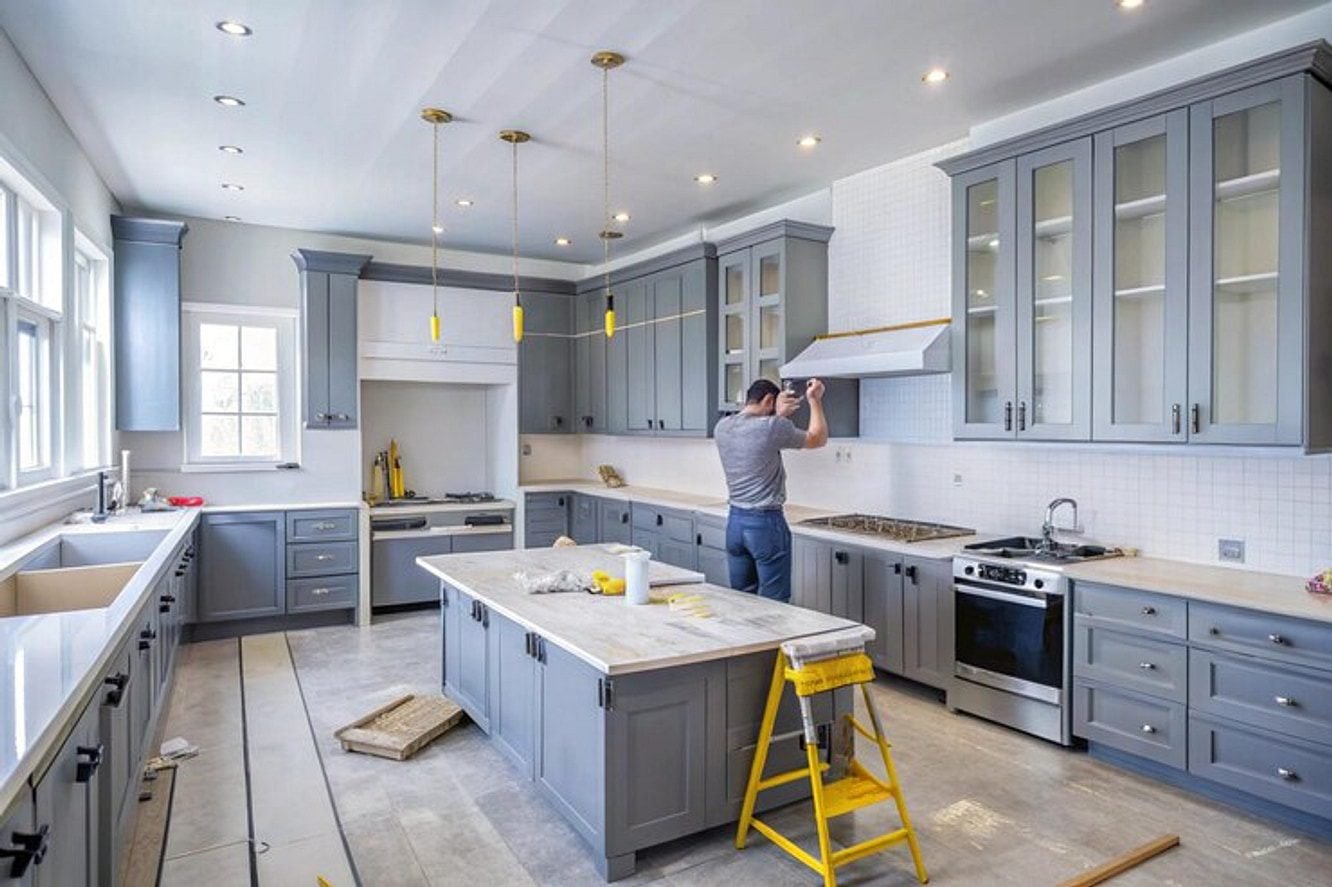
Here is a kitchen remodel budget guide for you. Remodeling your kitchen is an investment in daily life. Changes to countertops, cabinets, appliances, and layouts can improve your kitchen’s value while streamlining routines and expanding possibilities for how your family uses the home’s heart. With Wildly varying project types and materials, you might be surprised by the price tag of your dream kitchen.
Kitchen remodeling costs are impacted by small decisions that add up fast. Before you start taking out cabinets, know what drives prices and what expenses you might encounter throughout the remodel process.
Kitchen Remodel Budget Guide: Factors That Affect Cost
Before learning about prices for kitchen remodels, it’s important to understand what goes into generating that estimate. Kitchen renovations range from cosmetic changes to full structural redesigns. Your project’s scope will determine how your local contractors price the job.
Expect most estimates to include the costs of new cabinets, countertops, appliances, and plumbing or electrical modifications. Residential labor always costs more than we want it to, so budget accordingly if your remodel includes moving walls, reinstalling cabinets, or updating an older home’s infrastructure to comply with current building codes.
Kitchen Remodel Guide: Kitchen Renovation Costs
Kitchen projects range from some updates to a full overhaul of cabinetry, appliances, and countertops. Each project can be customized farther, but here are some average cost benchmarks for most homeowners.
- Prices for a basic cosmetic kitchen remodel range from $15,000 to $35,000.
- Midrange kitchen renovations can range from $40,000 to $80,000.
- Major kitchen renovations can cost over $100,000.
- Nearly all midrange to high-end remodels require some unforeseen repairs once demolition starts.
- Custom cabinets and luxury countertops like granite or quartz will fit towards the top of these ranges.
These are rounded averages, but certain factors will influence your project’s final price. While the breadth of work is the biggest pricing factor, your area’s labor rates and material costs matter as well. Compare estimates from local contractors to determine your kitchen renovation’s price.
Cabinets: the Big Item on Your Kitchen Budget
Cabinetry accounts for the biggest budget slice in most kitchens. Stock units are low-cost solutions, but semi-custom and fully custom cabinets give you more flexibility with sizing, wood finishes, layouts, and storage options.
If you plan to keep your current footprint and reinstall cabinets in the same location, installation costs will be on the lower side. Otherwise, expect prices to increase if your kitchen layout changes or drywall needs to be removed to accommodate your vision.
Kitchen Remodel Budget Guide: Countertops, Floors, and Finishes
Prices vary based on materials and the style you’re renovating. High-end granite countertops come with pros and cons just like laminate surfaces.
The middle ground quartz is often a darling of homeowners as it provides durable material without sacrificing style. Similarly, there are tradeoffs with vinyl plank floors versus ceramic tile or hardwood. Your faucets, lights, and other finishes may not break your budget, but they can certainly push it.
- While granite is beautiful and popular, quartz provides better value.
- If you buy it, you will likely maintain natural stone countertops.
- Tile flooring will last longer than laminates, hardwood, or carpet.
- Vinyl plank flooring has come a long way and can save you money.
- Changing your cabinet hardware can quickly brighten up an older kitchen.
Take stock of your cabinets and floors before deciding how much to spend on countertops. You may decide it makes sense for your budget to upgrade your cabinets instead of settling for a countertop you’ll regret.
Kitchen Remodel Budget Guide: Hidden Costs to Consider
There’s no shortage of expensive surprises that come from ripping open walls and cabinets. When renovating an older home, you may find damaged pipes, cracked wiring, sinking floorboards, or inadequate ventilation. Plumbing and electrical issues can typically be caught before hiring a contractor, but proper HVAC setups or outdated flooring may not surface until the demo crew gets to work.
Here’s a quick breakdown of key hidden costs to watch out for during your kitchen remodel.
| Type | Possible Issue | Impact | Mitigation |
| Demolition | Damaged pipes | Plumbing delays | Pre-inspection |
| Electrical | Cracked wiring | Safety hazard | Upgrade older wiring |
| Flooring | Sinking boards | Additional floor repair | Budget for repairs |
| Permits | Inspection fees | Project delays | Plan for legal requirements |
Identifying these potential surprises early can prevent costly delays and keep your renovation on track.
Inspections and required permits are not typically included in contractor estimates, either. Local laws may require you to hire an inspector to ensure your kitchen’s planned updates comply with current building codes. Changes to plumbing or electricity demand permits before work begins.
Because of these unforeseen issues, most contractors recommend you include a buffer in your budget. How much you set aside should be discussed with your contractor after your full renovation plan is drawn up.
Kitchen Remodel Expenses: Labor Vs Materials
Keeping close tabs on labor expenses and buying materials can help you save on a kitchen remodel, but those savings rarely cover hiring a designer. You’ll spend roughly half of your budget on labor and the other half on materials and appliances.
Hang on tight. That’s a gross oversimplification, but it holds true if you know where to cut costs. Designers are expensive, but they help save money in the long run. Labor will cost you more if your new kitchen has an arrangement that doesn’t use stock cabinet sizes.
If you’ve hired contractors to oversee your kitchen remodel, they’ll handle bringing in painters, countertop fabricators, electricians, and other specialists. This coordination is worth every penny because miscommunications between painters and cabinet installers can end badly.
However, shopping around for quotes is still important. Some contractors include the cost of demolition and trash removal in their quote, while others toss those fees on at the end. Ask questions if anything is unclear.
- Don’t change your layout too much. Custom work will increase labor costs.
- Don’t choose high-end finishes. Sticking with stock materials saves money.
- Don’t DIY anything if you’re not experienced. Rework costs will eat your budget.
- Understand what is included in each bid before you compare them.
- Saving money often comes from design. Don’t skimp on getting professional advice.
Ultimately, you get what you pay for. Cutting corners by choosing the lowest bid may fail to cover things like drywall finish or cleanup after cabinets are installed. Spend intelligently and your kitchen remodel could save you money by increasing home value.
Kitchen Remodel Budget Guide: Save Money by Planning Now
The biggest opportunity to save money on your kitchen remodel is before you remove the cabinets. If you plan to reuse your existing plumbing and appliances, tell your contractor. Standard depth cabinets are less expensive to manufacture and install.
It also helps to shop for appliances and materials before hiring a contractor. While lead times vary by project, ordering your countertops and flooring early can protect you from paying rush-order fees or missing entire deadlines because your tiles are backordered.
Bids let you compare how contractors would approach your project. Request estimates from at least three contractors before signing your remodel plan. While you may suspect all contractors inflate their toilet allowance, comparing bids reveals discrepancies that lead to big money.