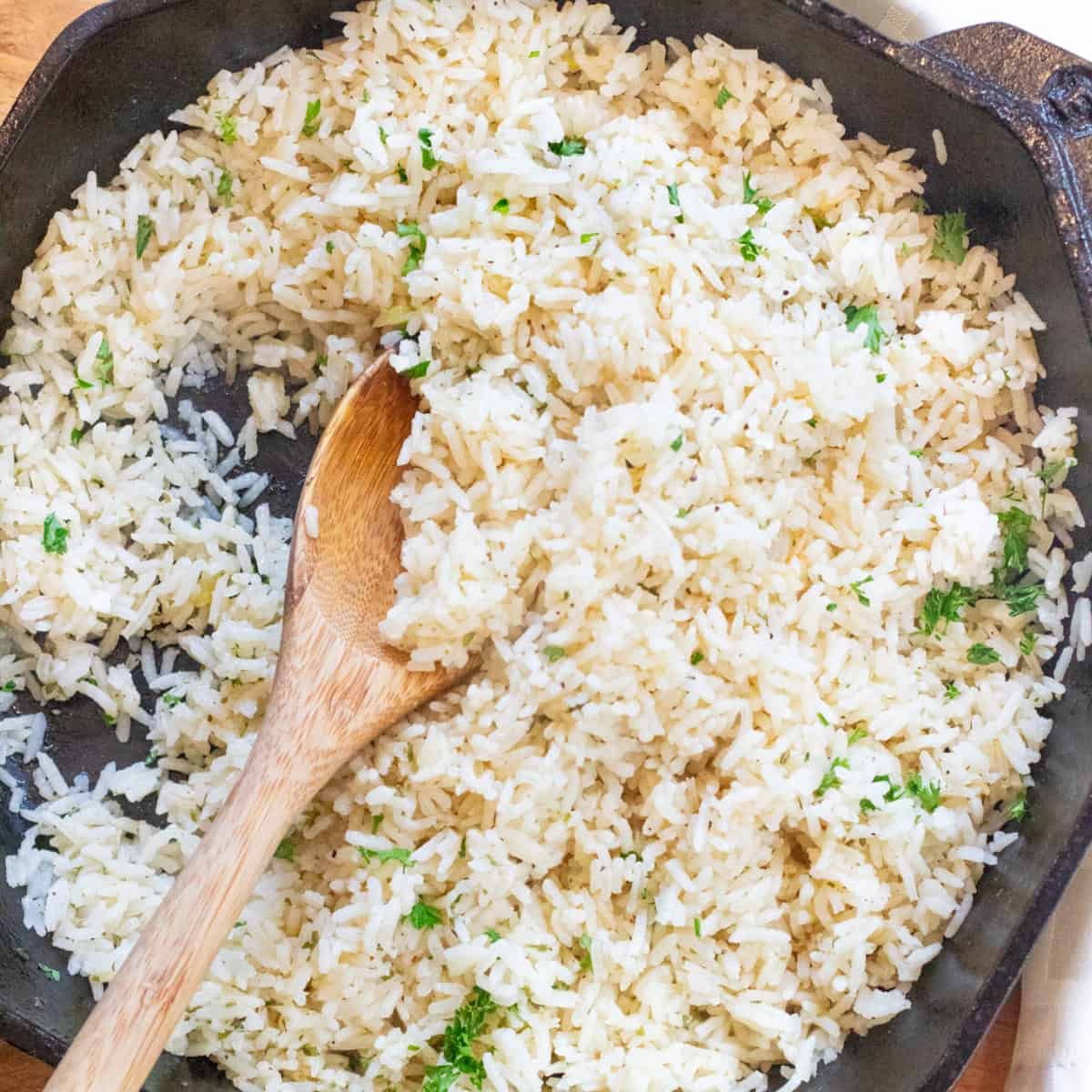
If you’re looking for an easy recipe, try making simple rice! I start by rinsing 2 cups of rice under cold water. Then, I combine it with 4 cups of water, a tablespoon of salt, and olive oil in a pot. After boiling, I lower the heat and let it simmer for 18-20 minutes. Once it’s done, I let it sit for a few minutes before fluffing it with a fork. There’s so much more you can explore with rice!
Simple Cooking Instructions

Ingredients:
- 2 cups of rice
- 4 cups of water
- 1 tablespoon of salt
- 1 tablespoon of olive oil
- Optional: 1 teaspoon of garlic powder or herbs for flavor
Cooking Instructions:
- Begin by rinsing the rice under cold water in a fine-mesh strainer to remove excess starch. This step helps prevent the rice from becoming sticky.
- In a medium-sized pot, combine the rinsed rice, water, salt, and olive oil. If you want to add extra flavor, this is the time to sprinkle in some garlic powder or herbs.
- Bring the mixture to a boil over medium-high heat. Once it reaches a rolling boil, reduce the heat to low and cover the pot with a tight-fitting lid.
- Allow the rice to simmer for about 18-20 minutes, or until all the water has been absorbed. Avoid lifting the lid during cooking, as this can release steam and affect the cooking process.
- After the cooking time is up, remove the pot from the heat but keep it covered. Let it sit for an additional 5 minutes to allow the rice to finish steaming.
- Finally, fluff the rice gently with a fork before serving to separate the grains.
When cooking rice, I’ve learned that the key is to keep the ratio of water to rice consistent, as this ensures perfectly cooked grains every time.
Using a heavy-bottomed pot also helps prevent the rice from burning at the bottom.
If you’re feeling adventurous, try adding some sautéed vegetables or protein into the rice during the last few minutes of cooking for a complete meal.
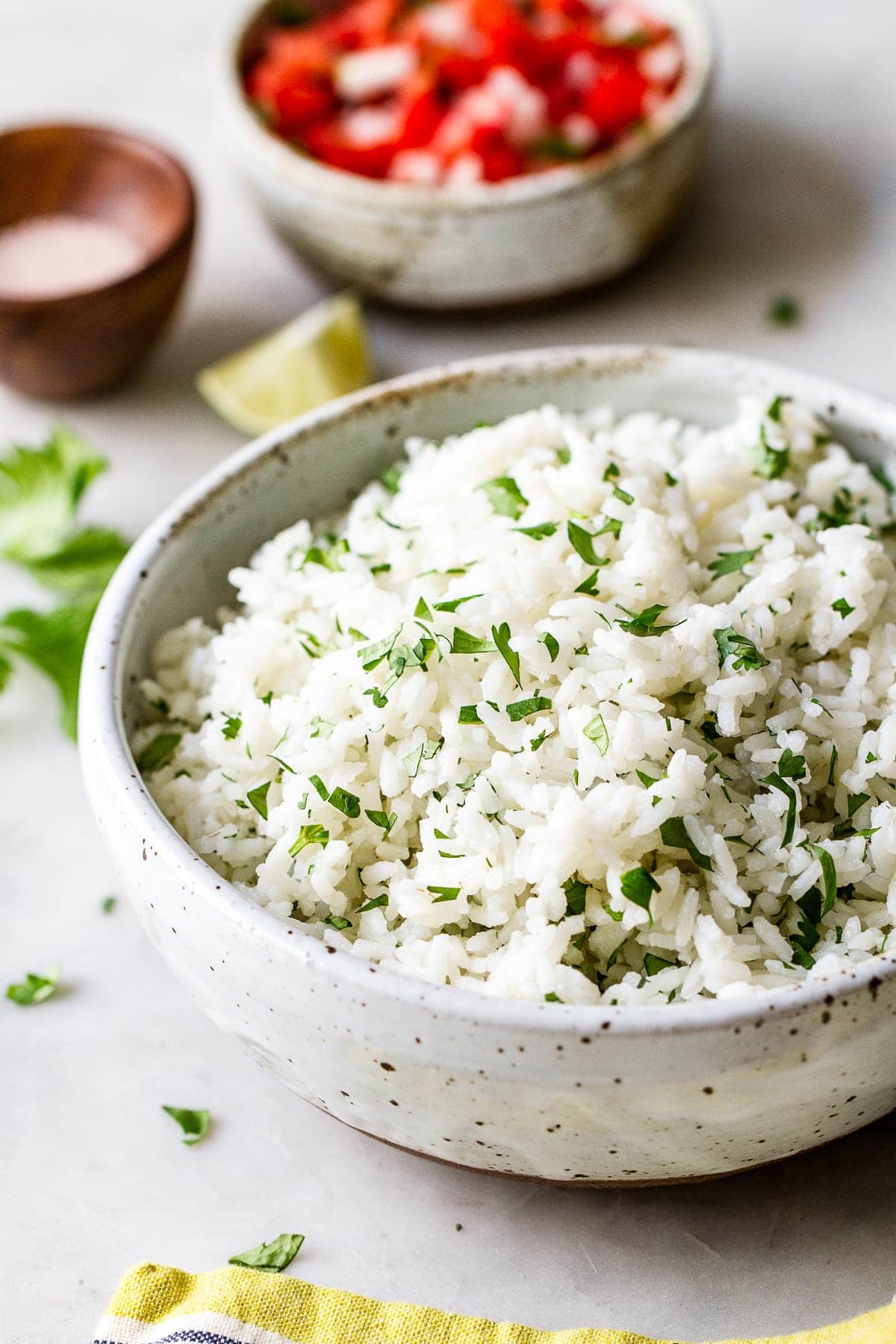
Originated in Ancient Cuisine
Although rice is a staple in many modern diets, its origins trace back thousands of years to ancient civilizations.
I love exploring how it shaped cultures, from Asia to the Mediterranean. Ancient peoples cultivated it, making it a vital part of their meals.
This rich history adds depth to every dish I prepare, reminding me of the culinary traditions that came before us.