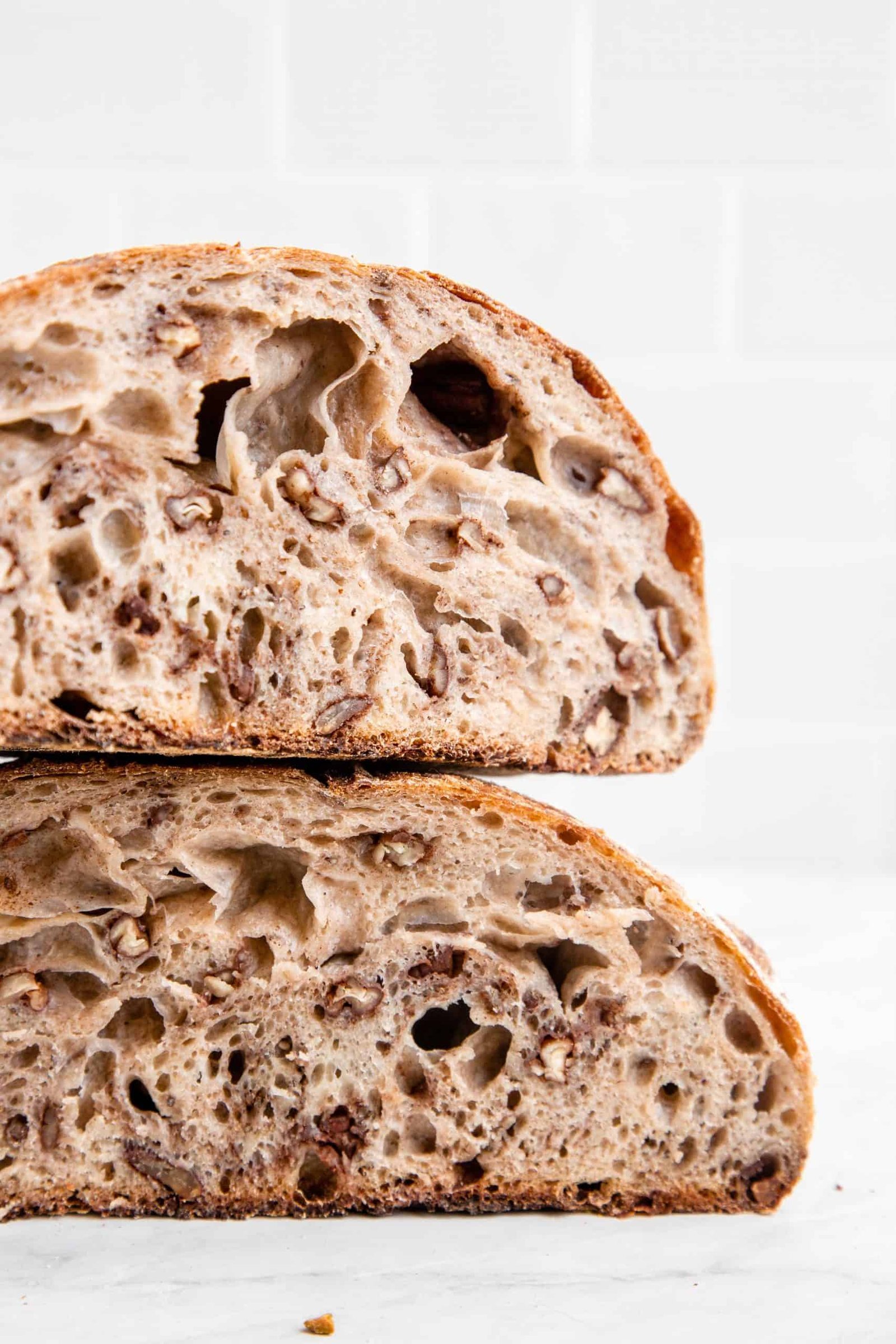
I’ve been experimenting with sweet sourdough bread lately, and it’s opened up a whole new world of flavor. By adding ingredients like honey or dried fruits to my classic sourdough, I’ve created a delightful balance of tang and sweetness. The fermentation process really enhances these flavors, making the bread irresistible. If you’re curious about how to achieve that perfect loaf, let’s explore the steps together.
Sourdough Starter Preparation Guide
Ingredients:
- 100 grams of unbleached all-purpose flour (or a mix of whole wheat)
- 100 grams of water (room temperature)
- Cheesecloth or tea towel
- Bowl or jar (glass, plastic, or ceramic)
- Scale
- Spatula
Instructions:
- In a bowl or jar, combine 100 grams of flour and 100 grams of water. Mix well until you create a thick paste.
- If you want a balanced mix, use 75 grams of all-purpose flour and 25 grams of whole wheat flour.
- Cover the bowl or jar with cheesecloth or a tea towel, or place the lid loosely on the jar to allow air circulation.
- Let the mixture sit at room temperature for 24 hours without disturbing it.
- On Day 2, discard half of the starter (about 100 grams) and add another 100 grams of flour and 100 grams of water. Mix well.
- Repeat the discarding and feeding process every 24 hours for the next three days (Days 2-5).
- On Days 6 and 7, continue discarding and feeding the starter every 12 hours to promote stronger fermentation.
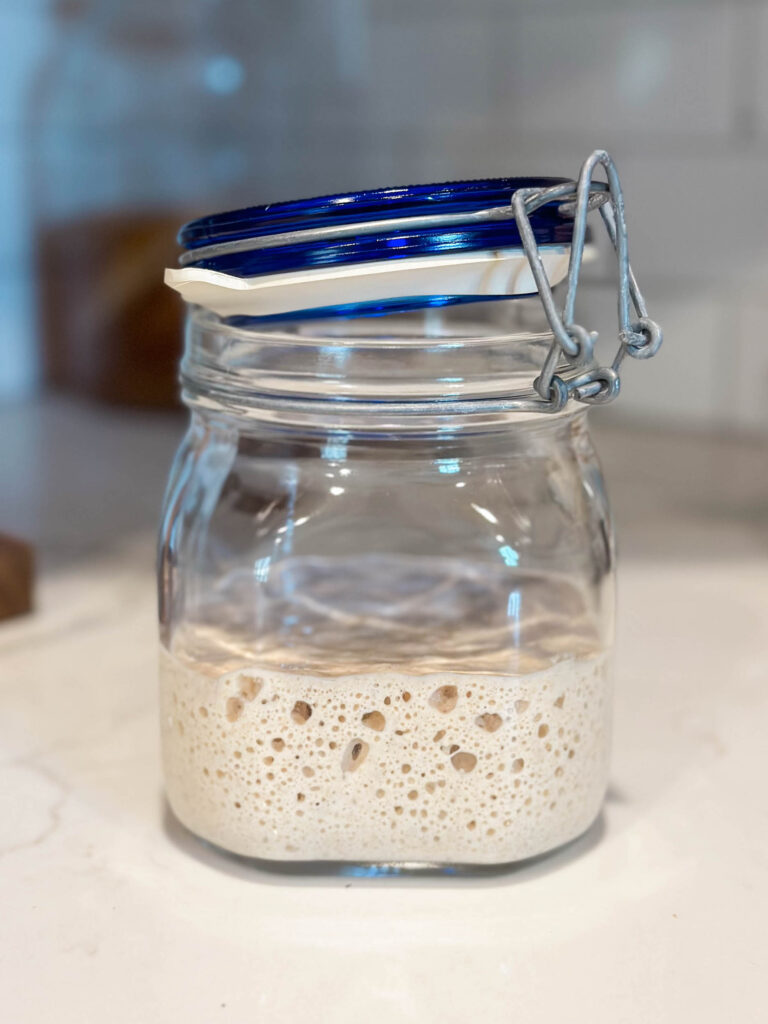
- To check if your starter is active and ready to use, perform the floating test by dropping a spoonful into a glass of water; it should float if it’s ready. A healthy starter is characterized by bubbles and a sour smell that indicate active fermentation.
Extra Tips:
When creating your sourdough starter, it’s essential to maintain a consistent feeding schedule to ensure that the yeast and bacteria remain active and healthy.
I find that monitoring the temperature of your kitchen can help, as warmer environments can speed up fermentation while cooler ones can slow it down.
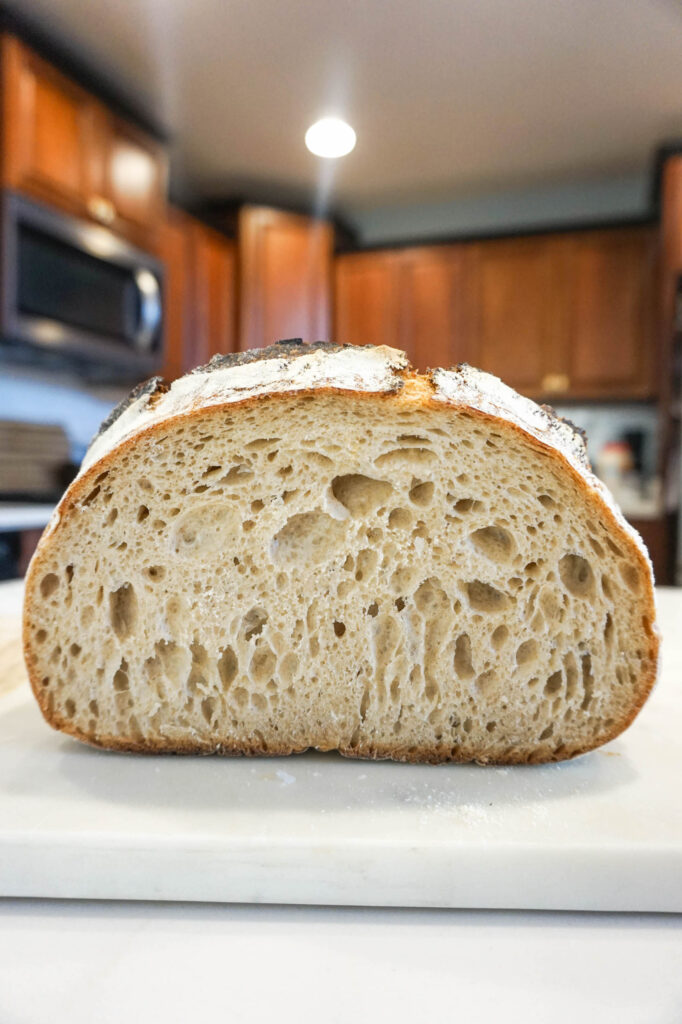
Don’t worry if your starter doesn’t look perfect; a few bubbles and a sour aroma are good signs.
And remember, patience is key; it may take a little longer than expected, but with proper care, you’ll have a thriving sourdough starter ready for all your baking adventures!