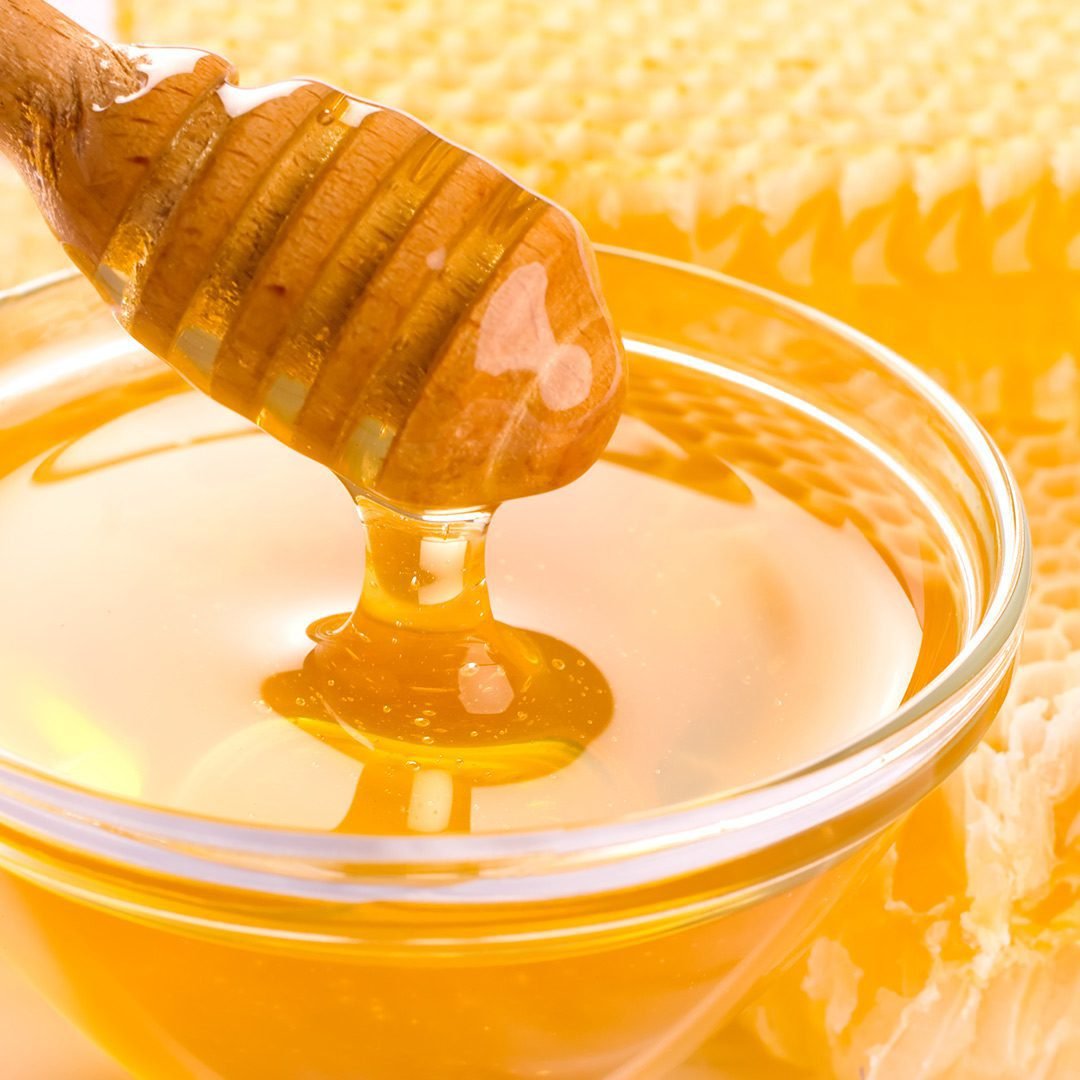
Honey is an incredible substance that has been used for centuries to sweeten, heal and nourish. From ancient Egyptians using honey in their embalming process, to today’s modern medicinal uses of honey – there is no denying that this golden elixir holds a special place in our hearts and history. But did you know that the fascinating facts about honey don’t stop there? Read on to discover some truly remarkable facts about this amazing substance!
Uses of Honey
Honey is a sweet, viscous food substance produced by honey bees and some related insects. It has been consumed for thousands of years for its unique taste, aroma and health benefits. Honey can be used as an ingredient in many different dishes or enjoyed on its own with just a spoonful from the jar.
One of the most common uses of honey is as a natural sweetener. As it contains fructose and glucose, it adds sweetness without adding extra calories like refined sugar does. This makes honey an ideal substitute for people looking to reduce their sugar intake or use healthier alternatives when baking. Honey also helps to add moisture to baked goods such as cakes, muffins and breads due to its high water content which helps keep them moist even days later!
Another popular way that honey is used is in skin care products and remedies because of its anti-inflammatory properties which can help soothe dry skin conditions like eczema or psoriasis while also providing antioxidant protection against environmental aggressors like pollution or UV rays. Additionally, some studies have suggested that applying raw organic honey topically may help speed up wound healing due to its antibacterial effects which kill off any bacteria present on the surface area being treated.
Honey has been known to offer nutritional benefits too; when taken internally it can provide antioxidants that protect cells from damage caused by free radicals plus vitamins B1 & B2, calcium & magnesium all essential nutrients needed for good overall health! Furthermore, research suggests consuming small amounts regularly may improve digestion by helping balance gut flora – something often overlooked but very important for optimal functioning within our bodies!
Nutritional Benefits of Honey
Honey is one of the oldest known sweeteners and has been used as a food source for centuries. Its popularity continues to this day, with many people using it in place of sugar or other artificial sweeteners. Honey is not only tasty, but also offers a variety of health benefits.
The main benefit that honey provides is its high nutritional value. It contains B vitamins, vitamin C, iron, magnesium and zinc – all essential nutrients for maintaining good health. Additionally, it’s also an excellent source of antioxidants which help protect the body from free radicals and reduce inflammation levels in the body. This can be beneficial in treating conditions such as arthritis or asthma where inflammation plays a role in symptoms. Honey can even help boost energy levels due to its natural sugars which are quickly absorbed into the bloodstream providing a burst of energy when needed most!
Another great thing about honey is it’s low glycemic index compared to other sweeteners like white table sugar or corn syrup meaning that it won’t cause your blood glucose levels to spike dramatically upon consumption like these other options might do – potentially leading to weight gain if consumed too often! Not only does this make it more suitable for diabetics but those who want to watch their weight may find they enjoy snacking on some honey instead without worrying over potential consequences down the line!
Finally, because honey has antibacterial properties due to enzymes found within it – consuming small amounts regularly can actually help improve overall gut health by killing off harmful bacteria whilst nourishing good ones at the same time! This means that eating some every now and again helps keep you healthy overall as well as providing all those wonderful nutrition benefits listed above too!
Harvesting and Production of Honey
Honey is one of the oldest and most widely used sweeteners in the world. It has been produced for centuries, with evidence of its use in ancient Egypt dating back as far as 4500 years ago. Despite its long history, honey production today is still largely a manual process that relies on traditional methods to harvest and produce these golden nectars.
The journey from bee hive to jar begins when beekeepers inspect their colonies to identify any potential health concerns or irregularities. To collect the honey, they gently smoke out the bees before using a special knife-like tool called an uncapping fork to open up each comb cell so that it can be extracted. Once done, they place frames containing combs into a centrifuge spinner where excess wax and other debris are removed while still preserving vital enzymes found within raw honey like pollen and propolis.
Finally, all harvested liquid honey is carefully strained through fine mesh filters before being poured into jars or bottles for sale at markets around the world. This ensures that no impurities remain present which would otherwise detract from its natural flavor profile or reduce shelf life over time. The entire harvesting process typically takes anywhere between two days depending on how many hives are being tended by the beekeeper at any given moment – making sure every batch receives ample attention throughout each step of production!
Types and Varieties of Honey
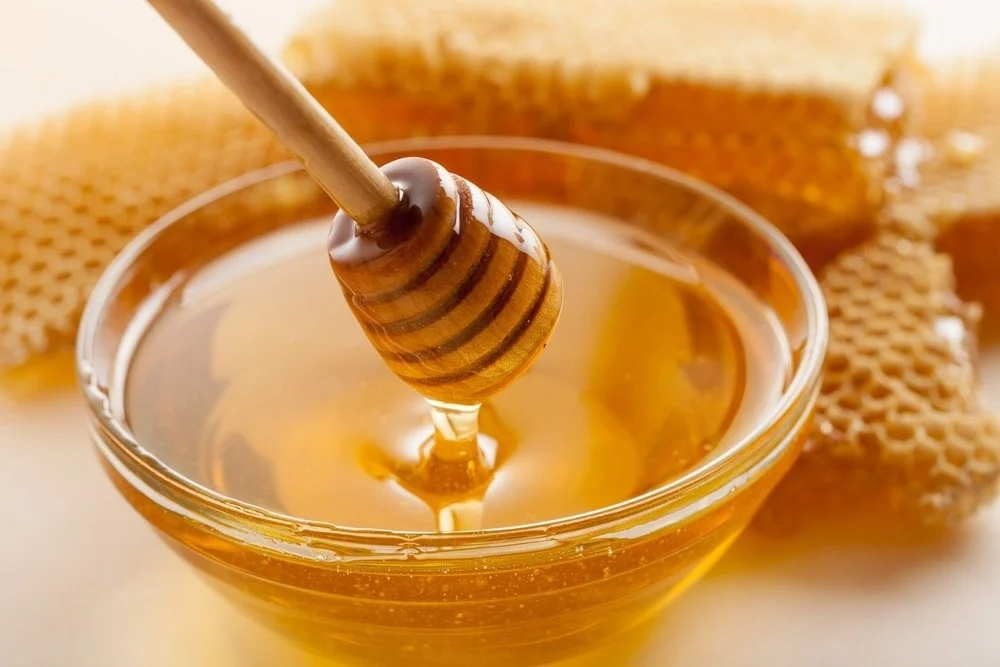
When it comes to honey, there are many types and varieties. Each type has its own unique flavor, color, and texture. The most common type of honey is clover honey. Clover honey is a light-colored sweet syrup that tastes like wildflower nectar when raw and has a slightly spicy flavor when cooked or baked. It’s often used as an ingredient in baking recipes or as an all-natural sweetener for tea and other beverages.
Another popular variety is buckwheat honey which has a dark amber color with strong malty flavors from the buckwheat plant it is derived from. Buckwheat honey also contains antioxidants which makes it beneficial to the health of those who consume it regularly, including reducing inflammation and helping with digestion problems. Additionally, some people prefer its robust flavor compared to more delicate honeys such as orange blossom or acacia honeys due their more subtle floral notes on the palate.
Manuka Honey stands out as one of the most potent varieties available today due to its high levels of antibacterial activity making them ideal for medicinal uses such as wound healing and skin care applications among others. Manuka Honey also offers several health benefits ranging from boosting immunity to aiding in digestive issues because of its antimicrobial properties found within each jarful produced by bees feeding off specific New Zealand Manuka bush flowers only during certain times throughout the year making this particular variety quite rare – yet highly sought after!
Health Benefits of Raw or Unprocessed Honey
Raw, or unprocessed honey has been used as a natural remedy for centuries. It is made by bees from the nectar they collect from flowers. It is known to contain healing compounds that can help treat a variety of ailments, making it an excellent choice for anyone looking to improve their overall health and wellbeing.
The most widely recognized benefit of raw honey is its ability to soothe sore throats. It contains antibacterial properties which not only help fight off infection but also work as an anti-inflammatory agent, reducing inflammation in the throat and helping with pain relief. Raw honey is also packed with antioxidants which are believed to protect against certain types of cancer cells and aid in recovery after surgery or other medical treatments. Additionally, raw honey has been found effective in aiding digestion due to its prebiotic effect; this means that it acts as food for beneficial bacteria located within our digestive tract thus improving gut health and regularity.
Furthermore, research suggests that raw honey may be useful when dealing with allergies since small amounts have immunomodulatory effects on the body’s immune system; these effects can cause a reduction in severity or even disappearance of symptoms related to seasonal allergies such as sneezing and coughing fits.. Lastly, studies suggest that unprocessed honeys possess antifungal properties which makes them especially useful when combating fungal infections like athlete’s foot or ringworm since they can provide relief while simultaneously killing off fungi.
In conclusion, there are numerous benefits associated with consuming raw or unprocessed honey regularly: it helps soothe sore throats through its antibacterial capabilities; provides protection against certain cancers thanks to its high antioxidant content; helps improve digestion due to prebiotics; reduces allergy symptoms by affecting the immune system; and kills off various fungi responsible for skin infections when applied topically. Ultimately, adding some form of raw honey into your daily routine could prove incredibly beneficial!
Modern-Day Uses for Honey
Honey is an incredibly versatile food item with a wide range of uses. In addition to its traditional use in cooking and baking, honey has many modern-day applications. From natural skin care products to health supplements, honey can be used as a substitute for sugar or taken on its own for its unique nutritional benefits. Honey is also great for wound healing due to its ability to draw moisture out of the air when applied topically.