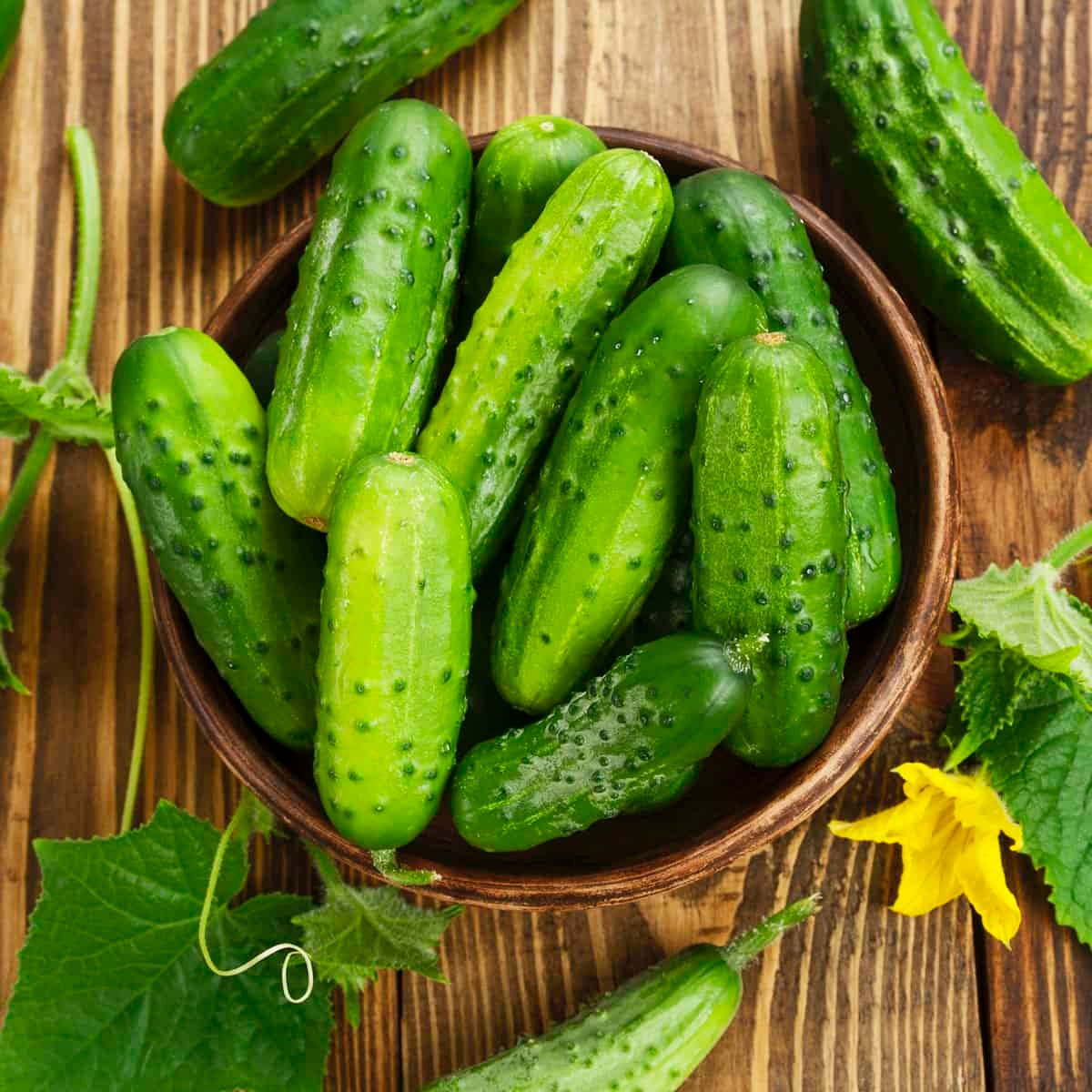
Cucumbers are one of the most well-known and widely used vegetables around. Whether you’re eating a salad, making pickles, or adding cucumber slices to your favorite drink, this versatile veggie is sure to please everyone in your family. But what else should we know about cucumbers? From their origins to their many health benefits, let’s explore all that the humble cucumber has to offer!
Nutritional Benefits of Cucumbers
Cucumbers are a vegetable that offer numerous health benefits, as they are high in nutrients and low in calories. Cucumbers contain a variety of vitamins and minerals including vitamin A, B1, B6, C, magnesium, potassium and folate. Vitamin A helps maintain healthy vision while the other B vitamins help with energy metabolism. Vitamin C is an important antioxidant which reduces inflammation throughout the body while magnesium helps to keep bones strong and regulate muscle function. Potassium supports cardiovascular health by helping to control heart rate and blood pressure while folate works to form red blood cells which increases oxygen delivery throughout your body.
The fiber content of cucumbers also makes it beneficial for digestion as it adds bulk to stool which decreases constipation risk making elimination easier on the digestive tract. It can also help decrease cholesterol levels due to its soluble fiber content which binds bile acids for excretion from the body resulting in lower cholesterol levels overall. As well as these benefits cucumber skins provide antioxidants such as lignan phytonutrients that may reduce cancer risks or slow tumor growth when consumed regularly over long periods of time .
Lastly consuming cucumbers can aid in weight loss due their low calorie count coupled with their high water content making them hydrating yet satisfying snack choice when you feel hungry but don’t want something overly heavy or sugary full of empty calories . Since they have so few calories you get all the nutrition without having a large caloric impact , perfect for people who are trying to lose weight but still want something crunchy ad tasty! All these nutritional benefits make cucumbers one of nature’s best gifts!
Health Benefits of Cucumbers
Cucumbers are an important part of a healthy diet. They provide a number of essential vitamins, minerals and antioxidants that can help improve overall health. In addition to providing valuable nutrients, cucumbers offer a wide range of potential benefits for digestive health, cardiovascular function, skin care and more.
One of the most notable benefits of eating cucumbers is their ability to promote digestive health. Cucumbers contain high levels of dietary fiber which helps keep the body regular by promoting bowel movement and easing constipation-related issues like bloating and abdominal pain. Additionally, cucumber peel contains pectin which absorbs toxins from the intestinal tract while aiding in digestion. Eating cucumbers also increases saliva production which helps reduce acid reflux symptoms like heartburn or indigestion after meals.
Including cucumber in your diet may also be beneficial for cardiovascular health as they’re low in sodium and cholesterol with no saturated fat content at all – making them a great choice for those looking to maintain heart health through nutrition choices. The presence of vitamin K found within this vegetable also aids circulation by helping blood clotting properly thus reducing risk factors associated with stroke or other circulatory diseases such as hypertension or deep vein thrombosis (DVT). Finally, potassium present in many vegetables including cucumber has been linked with reduced risk for stroke when consumed regularly over long periods due to its effect on lowering blood pressure levels dramatically over time if kept up consistently enough without interruption from lifestyle changes or lack thereof adherence thereto .
The skin care benefits that come from consuming this type of food cannot be overlooked either; it provides essential nutrients needed for maintaining youthful complexion such as Vitamin A & C as well as beta carotene – both contributing greatly towards improving elasticity within facial tissue while neutralizing harmful free radicals present throughout our environment that could cause premature aging signs appearing earlier than necessary upon contact with human epidermis directly leading us down path far less desirable than we would prefer so please remember not forget importance these particular vitamins play role here! Furthermore antioxidants contained within cabbage family plants have anti-inflammatory properties useful treating conditions like psoriasis eczema even acne vulgaris too should one find themselves unfortunate enough afflicted same yet still wishing address issue topically rather than medically speaking course always option available access medical professionals do require before beginning any treatment regimen whether self prescribed homeopathic/natural variety another method altogether depending needs individual patient best interest mind you seek out proper advice receive information possible options then decide what works best suit situation accordingly.
Varieties of Cucumber
Cucumbers are one of the most popular vegetables in the world and come in many different shapes, sizes, colors, and flavors. They can be enjoyed raw or cooked and added to salads, sandwiches, stir-fries, dips and more. While there are countless varieties of cucumber available worldwide today, three common types include slicing cucumbers, pickling cucumbers and burpless cucumbers.
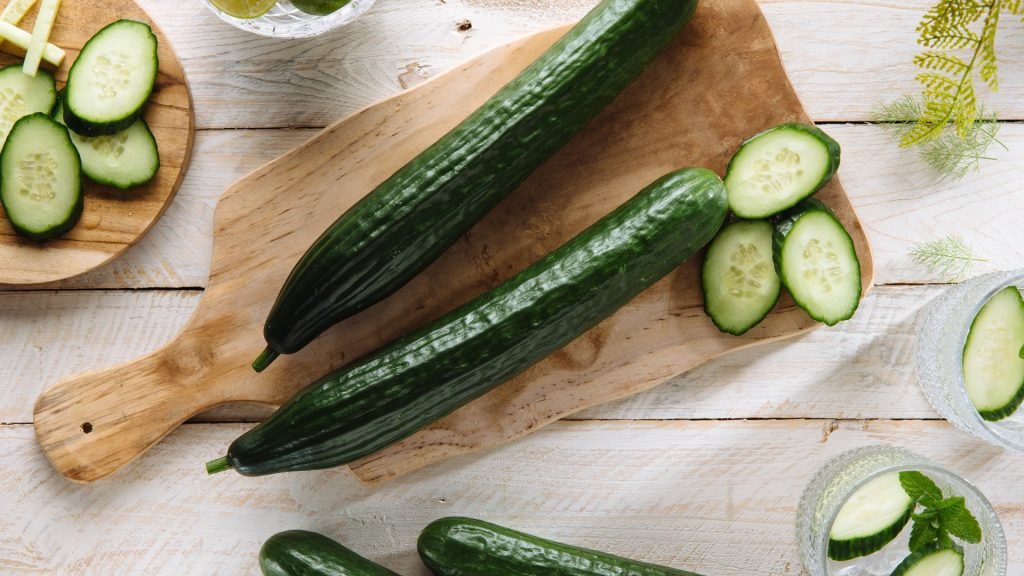
Slicing cucumbers have thick dark green skins with white flesh that is crisp and slightly sweet. These large firm cukes are usually eaten fresh as they tend to become watery when cooked. The long cylindrical shape makes them ideal for slicing into salads or onto sandwiches while still leaving a pleasing aesthetic presentation on the plate. Slicing cucumbers require minimal effort to prepare as they can simply be peeled if desired or left unpeeled before eating them whole or cutting them up into smaller pieces for recipes like tzatziki sauce or gazpacho soup.
Pickling cucumbers have small bumpy light green skins that are perfect for preserving foods due to their high acidity levels which help keep them from spoiling quickly after being canned in vinegar brine solutions. Pickles make an excellent addition to burgers, hot dogs or wraps as well as adding zesty flavor to salads without overpowering other ingredients such cabbage slaw or potato salad mixes with their sharp taste profile. They also pair well with cream cheeses like Philadelphia cream cheese spread on crackers for a quick snack between meals during busy days at work or school alike!
Burpless cucumber varieties differ from others because they produce less of the compound known as “cucurbitacin” which causes bitter taste sensations along with stomach cramps sometimes associated with eating too many cukes at once — hence why burpless versions were developed! These milder flavored options contain fewer seeds making preparation easier than other varieties since you don’t need to scoop out any excess pulp before consumption; plus these crunchy delights do not leave behind any unpleasant aftertastes either so you can enjoy your meal without worry about having bad breath afterwards either!
Selection, Storage, and Preparation Tips for Cucumbers
When it comes to selecting cucumbers, there are a few things to keep in mind. First of all, the size and shape should be considered. Larger cucumbers can be unwieldy when slicing them for salads or other uses. However, they do tend to have fewer seeds than smaller varieties. If you’re making pickles, then larger cucumbers may be preferred; however, if you’re looking for something to delicately slice into thin ribbons or chips, then opt for slightly smaller ones that are still firm but not overly hard.
Once your selection has been made for the desired cucumber variety, storage is key in keeping them as fresh as possible until use. Be sure to store any unused cucumbers away from direct sunlight and heat sources like ovens – near eye-level inside the refrigerator is ideal – and remove from plastic wrapping before storing so air can circulate freely around them (plastic will trap condensation which could cause premature wilting). If kept properly refrigerated between 40-50°F (4-10°C), most fresh cucumbers should remain crisp and tasty up to one week after purchase date when stored correctly with proper ventilation/air circulation throughout their environment.
Finally – once ready for preparation – begin by washing off any dirt residue under running water using a soft brush if necessary (just avoid excessive scrubbing which could damage delicate skin), then pat dry with paper towel prior to cutting away ends of both sides using a sharp knife followed by peeling outer skin off if desired through either use of vegetable peeler or even just fingers depending on preference/use case scenario at hand – such as whether aiming for thinner slices versus thicker chunks etcetera… Once prepped accordingly proceed directly towards intended recipe outcome(s) being mindful not only of flavor profile yet also texture balance required within dish composition itself… Enjoy!
Uses for Cucumbers in Cooking and Baking
Cucumbers have a wide range of uses in cooking and baking. It is often used as a garnish to enhance the flavour profile of dishes, but it can also be the star ingredient in many recipes. Cucumbers are incredibly versatile and add a unique twist when added to different dishes.
When it comes to cooking, cucumbers make for an excellent addition to salads, sandwiches, wraps or even sushi rolls. Their crunchy texture adds an interesting contrast that complements other ingredients like lettuce or tomatoes quite well. They are also great for adding more moisture and flavor when cooked with meats such as chicken or fish-based dishes like ceviche. Furthermore, cucumber slices can be lightly sautéed with olive oil and herbs for a delicious side dish that pairs perfectly with any protein main course dish.
In baking too, cucumber has its place! The vegetable’s mild taste makes it an ideal ingredient in cakes and muffins – where their juicy flesh helps keep the cake moist while adding natural sweetness along with extra nutrients like vitamins A & K which are essential components of our daily diet requirements! Additionally they can be made into various spreads or dips by blending them into creamy bases such as yogurt or cream cheese – perfect accompaniments for crackers at parties! Lastly pickled cucumbers provide another fun way to enjoy this vegetable – whether in traditional sandwiches like banh mi subs or simply on top of tacos!
Environmental Impact of Growing and Eating Cucumbers
Growing cucumbers has a surprisingly low environmental impact, given their high yields. They are an excellent source of water-saving irrigation and use minimal energy in comparison to other vegetables. When it comes to eating cucumbers, they offer plenty of important nutrients without having much of an effect on the environment due to their low carbon footprint compared with other foods. Eating cucumbers can actually help reduce your carbon footprint since these vegetable require so little energy for production and transport. All things considered, growing and eating cucumbers is one way that you can make a positive contribution towards preserving our planet’s resources!