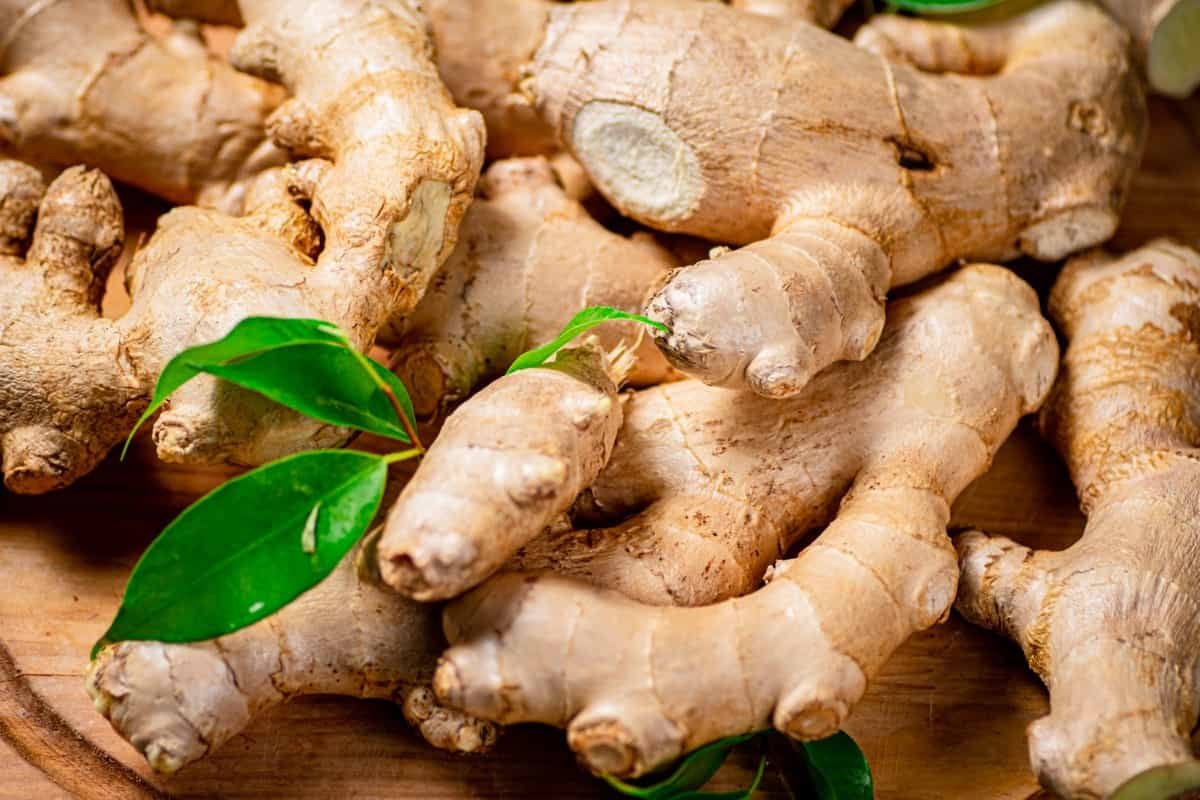
Do you want to feel healthier and more energized? Introducing an ancient superfood that could be your key to improved health: ginger. For centuries, ginger has been used around the world for its incredible healing properties. From improving digestion to reducing inflammation, learn how adding this powerful root vegetable into your diet can help improve your overall health and well-being.
I. Benefits of Eating Ginger
Ginger, an aromatic and flavorful root vegetable that has been used for centuries to treat a variety of ailments, is now being studied as a potential superfood. Not only does eating ginger offer numerous health benefits, such as reducing inflammation and providing relief from nausea, it also offers several culinary possibilities. Adding this zesty ingredient to your meals can liven up any dish – whether you’re cooking breakfast or dinner.
The most obvious benefit of consuming ginger is its anti-inflammatory properties which have been proven to help reduce the severity of conditions such as arthritis and Crohn’s disease. This property is due in part to gingerol, a powerful compound found in fresh ginger that acts as an antioxidant within the body. It helps reduce inflammation by blocking certain enzymes responsible for producing inflammatory molecules like prostaglandins and cytokines. Additionally, studies have shown that regular consumption of ginger may even help lower cholesterol levels!
Another great reason to add more ginger to your diet are its digestive benefits. Eating raw or cooked pieces of fresh ginger can help stimulate digestion by increasing bile production; this aids in breaking down fats so they can be easily absorbed by the intestines instead of causing indigestion or bloating sensations after meals. Furthermore, research indicates that drinking tea made with freshly grated pieces of red-brownish colored roots before eating may help settle stomach discomfort caused from motion sickness; this remedy could potentially work better than drugs containing peppermint oil or scopolamine patches which are typically prescribed for sea sicknesses like seasickness and airplane turbulences!
In conclusion, not only does adding small amounts of fresh or dried spices provide valuable health benefits but they also bring flavor variations to simple dishes – spicing up boring foods while still keeping nutritional value high on our list of priorities! Ginger has long been known for its medicinal properties but recent studies suggest it might just be one step closer towards becoming a real superfood thanks in no small part due to its anti-inflammatory effects coupled with digestive aid capabilities making it easy on both the body and taste buds alike!
II. Ways to Include Ginger into Your Diet
Ginger is a root that has been used for centuries as an ingredient in cooking and medicine. It adds flavor, zest, and health benefits to any meal. In recent years it has become more popular due to its many potential health benefits; research suggests it can reduce inflammation and nausea, improve digestion, provide antioxidants, help with weight loss, fight infections, reduce pain from arthritis and other joint issues. Here are some great ways to include ginger into your diet!
The most common way people use ginger is by adding the raw root to their meals. This could be done by grating the ginger or mincing it up finely before adding it directly into stir-fries or soups for extra flavor and nutrition. If you’re not a fan of the spicy taste of fresh ginger then you could also try adding powdered form instead – this will give you all the same nutritional benefits but without such a strong taste. You could even add small amounts of powdered ginger to smoothies or hot drinks if you want something warm on those chilly winter days!
You can buy prepared products containing ginger too – like candied pieces which make a tasty snack or added crunch on top of salads! Ginger beer is another popular option these days – usually made with real pieces of fresh root along with sugar and carbonated water giving it its fizzy texture; this makes quite a refreshing drink when served over ice during summer months. Lastly, there are always traditional Asian dishes like sushi in which pickled slices of young ginger are served alongside each bite – very delicious indeed!
Including more gingers in your diet doesn’t have to be difficult nor time consuming – just find ways that work for your lifestyle so that you can enjoy all the great health benefits it provides while still enjoying delicious food at any time throughout the day!
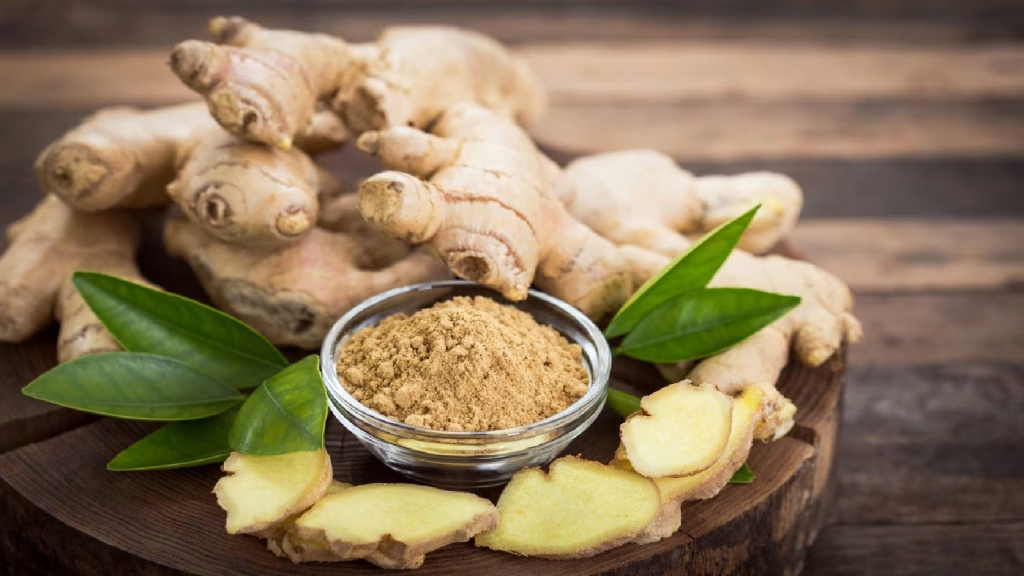
III. Nutritional Components in Ginger
Ginger is a powerful root that contains many beneficial health-promoting components. As such, it has been used for centuries in traditional and medicinal cultures all around the world. The root of the plant is typically used to make tea, supplements, or added to food for flavor. There are numerous nutritional components in ginger that may provide various benefits when consumed regularly.
One of these key nutritional components found in ginger is dietary fiber. Dietary fiber helps to maintain regularity and digestion by promoting healthy bowel movements and improving nutrient absorption from foods consumed throughout the day. Additionally, dietary fiber plays an important role in controlling cholesterol levels as well as reducing inflammation within the body’s cells and organs which can support overall systemic health. Consuming a diet with adequate amounts of dietary fiber can also help reduce blood sugar levels over time by slowing down glucose absorption into your bloodstream after eating carbohydrates or sugars present within certain foods or drinks.
Another major components found in ginger are minerals such as calcium, iron, magnesium, phosphorus and potassium – all essential for the proper functioning of our bodies on a cellular level for maintaining healthy bones & teeth; regulating muscle contractions; providing energy production; ensuring oxygen delivery throughout our systems; aiding enzyme activation; aiding detoxification processes; and more! In addition to those minerals mentioned above ginger also provides zinc which helps promote immune system functionality as well as copper which aids our body’s ability to absorb Iron while preventing free radical damage due to its antioxidant properties – both helping us stay healthier longer! Lastly, there are trace elements like manganese & selenium present within this delicious root too (in much smaller quantities) – further contributing towards enhancing overall well-being through their respective roles they play when it comes down metabolic pathways etcetera…
Lastly one cannot overlook very beneficial compounds commonly referred to as ‘volatile oils’ contained within Ginger Root itself: These include Zingiberene (zingiberol), shogaols & gingerols just to name few amongst other. All these volatile oils have potent anti-inflammatory properties that not only help alleviate pain but also reduce swelling associated with arthritis symptoms often seen among older adults who suffer from joint stiffness/pain on a daily basis thus allowing them peace of mind knowing their natural remedy available ease discomfort without having rely heavily on prescription medications instead!
IV. Potential Side Effects of Consuming Too Much Ginger
Ginger has a variety of health benefits, but there is such a thing as too much of a good thing. Consuming excessive amounts of ginger can lead to some potential side effects that may not be ideal for everyone’s health and well-being.
One common side effect associated with consuming too much ginger is heartburn or indigestion. Ginger contains compounds like shogaols and gingerols which can cause an increase in gastric acid production inside the stomach. This increase may lead to irritation in the lining of the stomach and esophagus, resulting in uncomfortable symptoms like burning sensations or pain that are all hallmarks of heartburn or indigestion. People experiencing this should reduce their consumption of ginger until these symptoms subside so they do not worsen over time.
Another potential side effect associated with consuming too much ginger is increased bleeding risk if taken with certain medications or supplements, such as aspirin, ibuprofen, warfarin (Coumadin), heparin, garlic supplements and vitamin E supplements just to name a few examples. These substances have antiplatelet properties which means they act on platelets in your blood cells to prevent clotting; when combined with extra doses of ginger it can further inhibit platelet aggregation leading to increased risk for bleeding episodes internally or externally from small cuts or wounds. It’s important for individuals taking any kind of anticoagulant medication who want to add more dietary sources of ginger into their diets speak first with their healthcare provider before doing so due caution being exercised at all times regarding dosage levels when adding new substances into daily routine regimens..
Lastly, another potential side effect associated with consuming too much ginger are mild allergic reactions like rashes on skin surfaces where direct contact was made between raw pieces/pieces ground up pieces mixed into drinks etc., hives around the face area including mouth-nose region along arms legs torso areas especially if person had previous history related issues allergies food sensitivities this could trigger reaction after ingestion even though most people consume large quantities without any ill effects whatsoever it’s always best err on safe side by avoiding larger than recommended dosages unless under medical supervision from qualified professional willing take responsibility anything goes wrong eventuating situation since need keep mind cannot predict how body will react each individual different this case no exception either despite fact majority individuals handle quite easily. For those exhibiting signs of allergic reactions discontinuing use immediately advised to consult the doctor advice then proceed accordingly thereafter make sure to discuss full medical history disclose prior reactions find out whether ok reintroduced safely on a future date upon approval by the physician once again the only way to guarantee safety and security while using product question thank you very much reading article hope enjoyed informative review topic now know what expect should decide to try out yourself thanks bye!
V. How to Buy Quality Fresh or Dried Ginger Products
When it comes to buying quality ginger products, whether fresh or dried, there are several important factors to consider. Firstly, it is always important to buy from a reputable source. If possible, visit the store in person and pick out the product yourself rather than relying on online ordering or delivery services. This will give you the opportunity to inspect the item for any signs of damage or spoilage that could affect its quality.
The second factor when purchasing ginger is considering what type of product best suits your needs – fresh or dried? Fresh ginger has a more potent flavor which makes it ideal for use in recipes like stir-fries and curries where a strong flavor is desired. It can also be used as an ingredient for drinks such as tea and smoothies if you prefer something milder. Dried Ginger powder is better suited for baking applications as well as adding subtle flavor notes to savory dishes without overpowering them with too much heat from raw ginger’s fiery kick.
Finally, make sure you check the expiration date before purchase so that your ginger stays at peak quality during storage prior to use. While most types of dried herbs have long shelf lives (upwards of three years), fresh varieties should be consumed within two weeks of opening for optimal taste and texture results when using them in recipes or drinks later down the line! Taking these simple steps will ensure that you get maximum value out of every purchase while enjoying top-notch flavors each time!