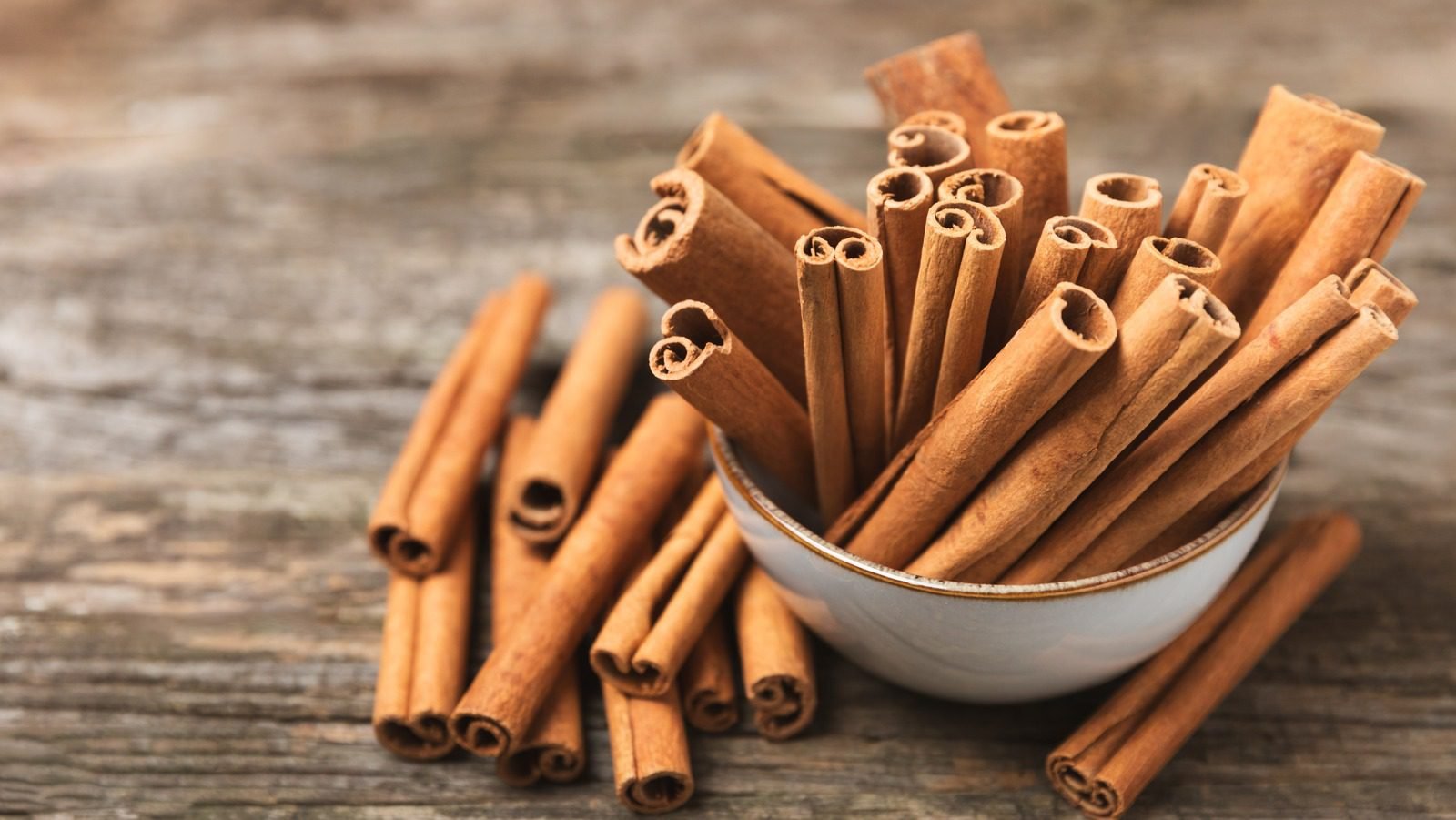
Cinnamon is a spice with a rich history and many uses. From enhancing the flavor of your favorite dessert to being used as a herbal remedy, cinnamon has been prized around the world for centuries due to its unique flavor and potential health benefits. But did you know that there are actually several different types of cinnamon available? In this article, we’ll explore all aspects of this warm, fragrant spice – from its origins to its culinary applications and possible health benefits.
Types of Cinnamon
Cinnamon is one of the oldest and most popular spices in the world. It has been used for centuries to flavor food, drinks, teas, and medicines. Cinnamon comes from several different species of trees that are native to South Asia and Southeast Asia. There are two main types of cinnamon: Ceylon cinnamon (also known as “true” or “real” cinnamon) and Cassia cinnamon (also known as Chinese or Saigon cinnamon). Both varieties have a strong aroma and sweet flavor but they differ in their taste profile, health benefits, color, texture, price point, availability on store shelves and more.
The first type is Ceylon Cinnamon which is also commonly referred to as ‘true’ or ‘Real’ Cinnamon due to its high quality compared to other varieties. Its flavour is milder than Cassia but it still packs an intense aromatic punch with notes of citrus fruitiness that can range from orange peel tones through lemons all the way up into mandarin oranges when ground down fine enough. This variety also tends to be lighter in color with a delicate reddish-brown hue when powdered down whereas cassia will look darker brown in comparison. Health-wise this variety contains less coumarin so it makes a better choice if you’re consuming large amounts at regular intervals due to its lower toxicity levels – particularly important for pregnant women who should avoid taking large dosages of cassia during pregnancy due to the higher coumarin content present therein; though small amounts may be safely consumed depending upon your doctor’s advice..
Cassia Cinnamon (aka Chinese or Saigon) has a much stronger aroma than Ceylon yet lacks some of the subtle sweetness found within true/real cinnamon flavors – making it slightly harsher overall due to its harsher earthy tones without any fruity undertones whatsoever by comparison; something those who don’t like super sweet profiles might appreciate more so than others looking for sweeter tasting options heretofore unheard-of until now! Its dark brown hue when powdered gives off an almost woodsy vibe reminiscent over time spent outdoors amidst nature itself – letting you take part in flavorful adventures no matter where you go! When considering health benefits this version unfortunately contains significantly higher levels of Coumarin which can lead to potential issues such as liver damage if taken too frequently so we’d advise against using this varietal long term unless monitored by your physician beforehand just in case anything occurs out of nowhere unexpectedly later on down the line as well!
Culinary Uses for Cinnamon
Cinnamon is a versatile and fragrant spice that has been used in many dishes for centuries. It adds sweetness, warmth, and complexity to food, making it an ideal addition to both sweet and savory recipes. There are numerous ways to use cinnamon in cooking – from sprinkling it on top of desserts or adding it as part of a rub for meats, the possibilities are endless!
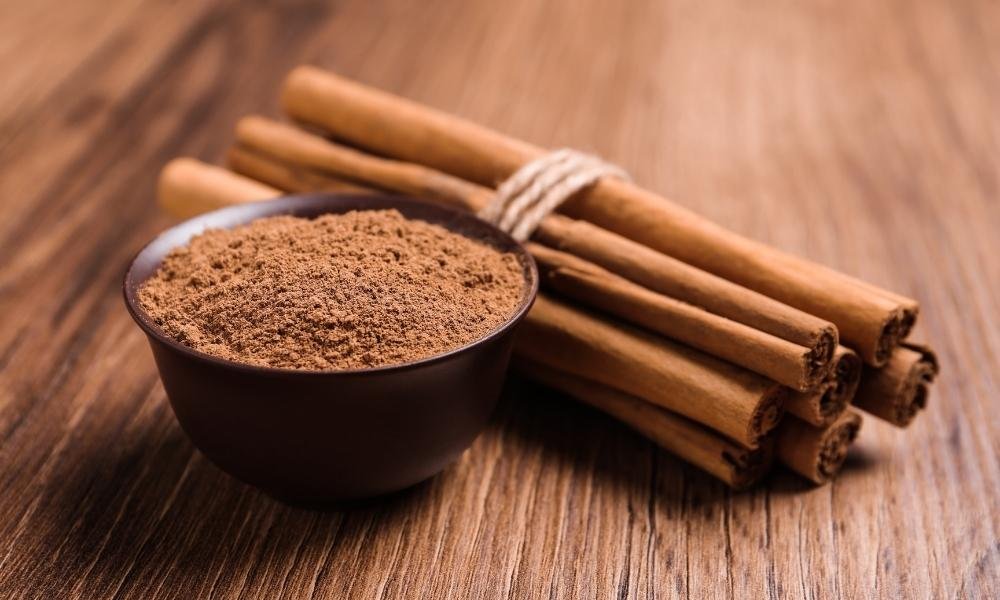
One popular way to incorporate cinnamon into dishes is by using ground cinnamon powder. This can be added directly into baking recipes such as cakes or cookies for an extra boost of flavor without overpowering the other ingredients. Ground cinnamon also makes a great addition when making homemade chai tea or mulled wine – simply add some sugar and your favorite spices like cardamom pods, star anise, cloves, nutmeg and ginger before simmering in boiling water until all the flavors have blended together nicely.
Another delicious way to utilize this aromatic spice is with sticks of whole cinnamon which can be used in place of bay leaves when creating broths or stocks. These long sticks will slowly infuse their flavor into any dish they’re cooked with while providing subtle hints of sweetness throughout the meal. Another creative idea is incorporating them into jams or compotes where they provide a nice underlying note alongside more traditional fruits like apples and pears. Lastly don’t forget about using ground cinnamon powder sprinkled over freshly cut fruit for an easy yet flavorful snack!
Health Benefits of Cinnamon
Cinnamon is a popular spice found in many kitchens around the world, but it also has some impressive health benefits. Research suggests that cinnamon can help prevent chronic illnesses, such as heart disease and diabetes, while also aiding digestion and boosting brain function. Additionally, regular consumption of cinnamon may offer protection against certain types of cancer.
Studies suggest that the active compounds in cinnamon have antioxidant effects which reduce oxidative damage to cells caused by free radicals produced by normal metabolism or environmental toxins like pollution. By reducing damage from these molecules, cinnamon helps protect cell structure and DNA from mutation which could lead to cancer development. In addition to this anti-cancer effect, research shows that consuming just one gram per day of cinnamon can significantly lower LDL (bad cholesterol) levels and increase HDL (good cholesterol). This reduces risk factors for cardiovascular diseases like stroke or heart attack.
Another major benefit of incorporating more cinnamon into your diet is its ability to regulate blood sugar levels due to a type of fiber called polyphenols present inside it. Polyphenols slow down sugar absorption after meals helping keep your glucose level steady throughout the day without spikes or crashes associated with high carbohydrate foods like white breads and pastas. Furthermore, Cinnamon has been shown to improve cognitive functions including memory recall because it increases activity in parts of the brain responsible for learning as well as alertness and concentration – making you smarter! Finally, when taken before meals it can also aid digestion by increasing saliva production while stimulating gastric juices needed for breaking down proteins in stomach acid which helps make food easier on our digestive system.
Overall Cinnamon is a great-tasting spice with numerous health benefits ranging from helping prevent serious diseases such as cancer or cardiovascular conditions all the way up to improving everyday cognitive functions; making it an excellent supplement for anyone’s diet regardless if they are trying to maintain their current state of health or improve upon their wellbeing overall!
Safety Considerations When Using cinnamon
When using cinnamon, safety should be a top priority. This is because cinnamon can cause skin sensitization when used in high concentrations or if the person has an existing allergy to any of its components. It’s important to conduct patch tests before applying it directly onto the skin as it may cause irritation and/or allergic reactions.
In addition, pregnant women should avoid taking large amounts of cinnamon due to potential health risks for both mother and baby, such as low blood sugar levels which can lead to premature labor or miscarriage. Furthermore, people with kidney issues need to be careful about ingesting too much cinnamon as this could lead to further complications like dehydration since it acts as a diuretic. Also, those who are on medication or have certain medical conditions should consult their doctor before consuming excessive amounts of this spice due to possible interactions with medications they may be taking or pre-existing medical conditions that could worsen after consuming large doses of cinnamon.
Finally, when using ground-up cinnamon powder at home there is a risk of inhalation which can irritate the lungs and throat and even cause coughing fits if inhaled in excess quantities over time; therefore proper ventilation needs to be ensured along with wearing protective gear such as masks whenever dealing with powdered spices like this one so that respiratory problems do not arise from long term exposure. In conclusion, taking necessary precautions while handling and consuming products containing cinnamon helps ensure that no adverse effects occur from its use – either externally on the skin or internally through consumption.
Cinnamon Storage Tips for Maximum Flavor
Cinnamon is an aromatic spice that has been used for centuries in both sweet and savory dishes, but its flavor can quickly be lost if it isn’t stored correctly. To ensure you always have the best-tasting cinnamon on hand to add to your recipes, here are a few tips for optimal storage of this versatile ingredient.
The first key factor when storing any type of food is temperature. Cinnamon should be kept away from heat sources like ovens or stoves and also not exposed to direct sunlight as these will cause it to lose its flavor more quickly than normal. The best way to store cinnamon is in airtight containers at room temperature so that it remains fresh for longer periods of time. It’s also important to keep the container sealed tightly between uses, as open containers will allow moisture into the product which can lead to spoilage over time.
Another important consideration when storing cinnamon is humidity levels; too much moisture in the air can cause spices like cinnamon to clump together and become hard over time which affects their texture and taste significantly. A dry area with good ventilation such as inside a cupboard or pantry shelf is ideal for keeping your spice collection safe from humidity damage while still allowing enough airflow through them so they don’t go stale due to lack of oxygen exposure either. Lastly, make sure all containers are clearly labelled with expiration dates so you know how long each one will last before needing replacement – generally anywhere from 6 months up to 3 years depending on the quality of the product purchased originally!
By following these simple storage tips you’ll get maximum flavor out of every pinch of your favorite spices without having worry about them going bad prematurely! Properly stored cinnamon will retain its aroma and taste far better than if left exposed directly within reach temperatures or humid environments – making sure each recipe turns out just right!